
We use cookies to ensure you get the best browsing experience. By continued use, you agree to our privacy policy and accept our use of such cookies. For further information, click FIND OUT MORE.
By KAELA MALIG
Multimedia Production
by JANNIELYN ANN BIGTAS
February 27, 2019
FOR MORE THAN A YEAR, Mary Jean Benavidez was her mother.
Sarah was only months old when she was given by her biological mother to the care of Concordia Children’s Services (CCS), a shelter in Sta. Mesa, Manila.
The baby had a rare liver disease, which meant only Mary Jean, a registered nurse, was allowed to to handle Sarah.
“I sacrificed a lot sa kanya kasi naka-isolate siya for almost one year until na ma-adopt siya,” Mary Jean says. “Tsaka ‘yung dadalhin sa doctor, ako lang, kasi sumuka siya ng dugo, from liver.”
(“I sacrificed a lot for her because she was isolated for almost one year until she got adopted... Even when she needed to see a doctor, I was the only one, because she would vomit blood, from her liver.”)
Mary Jean would go through each harrowing experience with the ailing child — biopsies, endoscopies, everything.
One day, Sarah was matched with an adoptive family from Norway.
For the child, it was a blessing, because there was finally a family who can fully attend to Sarah’s rare disease. A permanent family for Mary Jean’s beloved baby.
She made sure to pack Sarah’s favorite candy, and gave detailed instructions to the adoptive parents about how to take care of the child.
Finally, it was time to let go.
Mary Jean cried, and she couldn’t stop crying. But even though it broke her heart to look at Sarah one last time, she knew the girl was finally off to a better future.
After more than a year of love and care, Mary Jean was Sarah’s mother no more.
SINCE THAT HEARTBREAK, Mary Jean has remained at CCS, where she continues to serve as a mother to other children left to the care of the shelter.
“Tawag nila sa ‘kin ‘Mama,’” Mary Jean says with a laugh, except for one child. “Si Jesse lang ang ‘Mommy’ kasi sosyal siya.”
(“They all call me ‘Mama’... except for Jesse who calls me ‘Mommy’ because she’s classy.”)
Established in 1983, CCS is a residential facility for abandoned and neglected children from zero to four years old, helping a total of around 3,000 children since its establishment.
Part of their job is to make sure that the children never feel deprived despite not being with their parents.
“Sa ngayon sa araw-araw buhay nila, never sila nagtanong ng ‘May mommy at daddy ba ako?’ Never. Never,” Mary Jean says.
(“Today with their everyday lives, they never ask, ‘Do I have a mommy and a daddy?’ Never. Never.”)
Elizabeth dela Victoria is a houseparent at Meritxell Children’s World Foundation, Inc. (MWFI), a nonprofit child-caring agency in Marikina City. The foundation offers shelter for children who have been victims of abandonment or abuse. They cater to children from one to 16 years old.
“Tinatrato ‘yung mga bata na parang anak na rin namin, dinidisiplina, tinuturuan ng magandang asal, tuwing Linggo dinadala namin sa church so walang pinagkaiba sa isang pamilya,” Elizabeth says. “Hindi man namin sila maisa-isa mayakap, o mabigyan ng pagmamahal, pero doon pa lang na mahal namin silang lahat, inaaruga namin sila bilang isang anak.”
(“We treat the children as if they’re our own. We discipline them, teach them good values, bring them to Church every Sunday, so it’s nothing different from a family. We may not be able to hug them or show affection one by one, but we love all of them, we take care of them as if they were our own.”)
Some shelters even make it a point to create life books for each of the children. Each album would contain their milestones throughout the years — from birthday and Christmas celebrations, to the dates when they first crawled and when they first stood up, just like any doting parent to any beloved child.
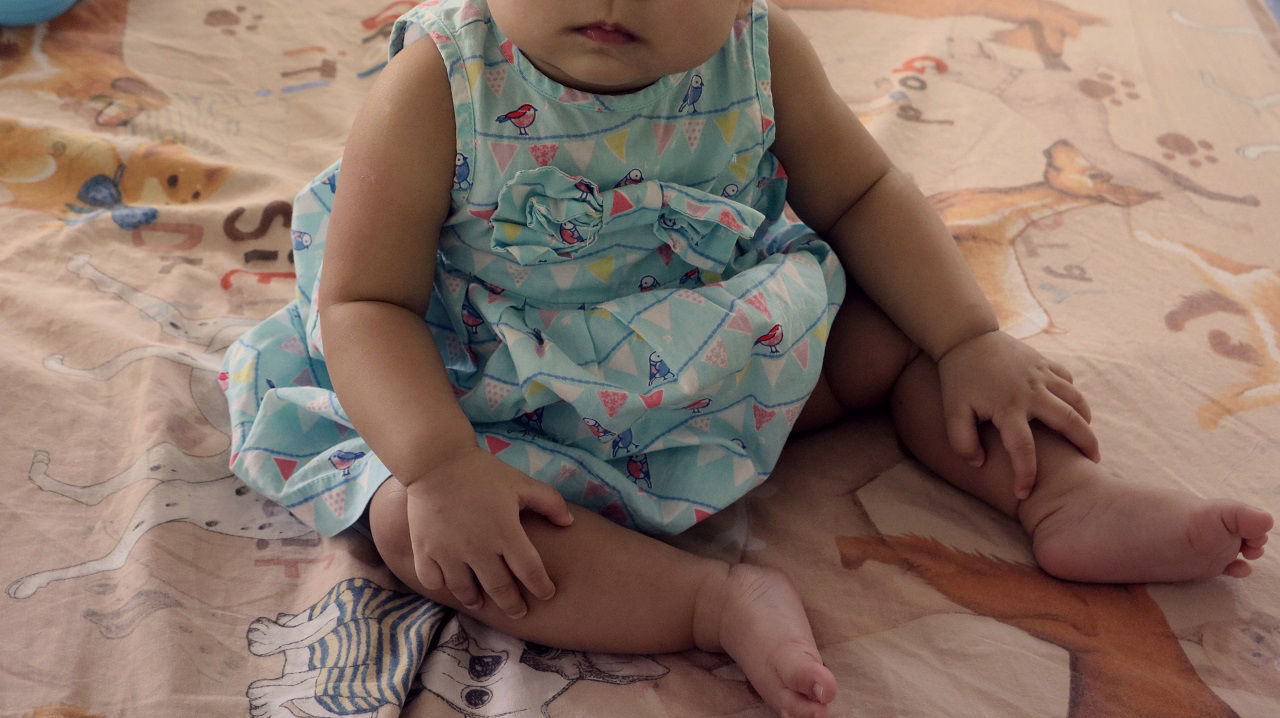
MANY PEOPLE THINK OF THESE SHELTERS as orphanages, but more often that not, the children here are not orphans, but are abandoned or neglected.
According to law, a child is abandoned if he or she has no proper parental care or guardianship, or if the parent(s) have deserted him or her for a period of at least three continuous months.
A neglected child, on the other hand, refers to a child whose basic needs have been deliberately unattended or inadequately attended within a period of three continuous months. There could be either physical neglect where the child is malnourished and without proper shelter, or emotional neglect where the child is maltreated, raped, seduced, exploited, overworked, or made to work under conditions not conducive to good health among other things.
The children end up at shelters in all sorts of manner, many of them heartrending.
CRIBS Foundation caters to abandoned, and neglected children as well as minor female survivors of sexual abuse. Over the years, CRIBS has been home for 2,067 abandoned and neglected children and 730 victims of sexual abuse. Some kids at the foundation were rescued in places like urinals, garbage cans, shoe boxes, and inside plastic.
But being left as an infant is almost better than being abandoned as an older child.
Eric Mallonga, the founder of Meritxell, tells the upsetting story. “I had one child who is now in San Francisco, and she was growing up with her biological mother until the age of four, five. And the mother told her to hold some fish in the market, and the child stood there in the market holding the fish because the mother promised that she would come back,” he says.
“So the next day the child was still there, with the fish, and the fish was smelly, and the mother was nowhere to be seen.”
Older children, he says, have to live with the trauma of being abandoned. “It’s more difficult for them to trust another person, but that’s precisely why we’re there,” he says.
Despite these sad circumstances, the shelters work hard to make sure that the child can move beyond their past, says Danilo Macalagay, Jr., a social worker who works on adoption at CCS.
“How we treat it is that: It's a part of their lives, it does not define the child. So we don’t deny,” he says, “pero hindi din iyon sentro ng buhay nila.”
(“...but it’s also not the center of their lives.”)
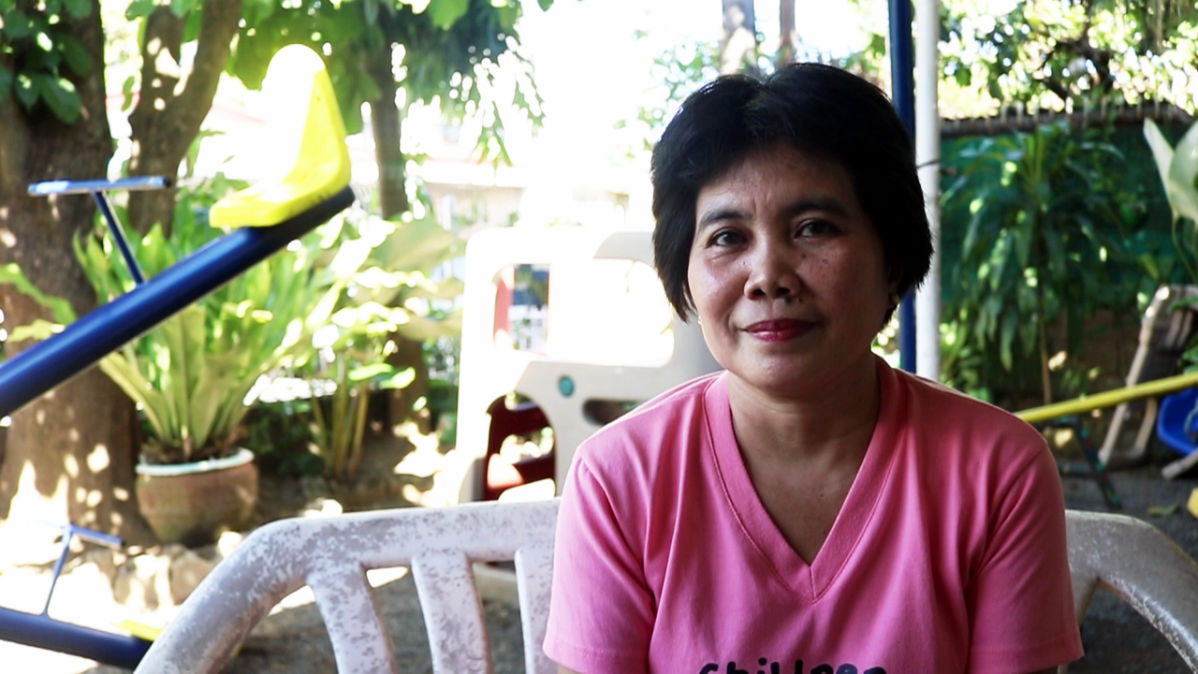
WORKERS AT THESE SHELTERS, however, are hesitant to simply lay the blame on parents of these children.
Danilo Macalagay, Jr., the CCS social worker, says poverty is the biggest reason for parents abandoning their kids,
“I think last resort, last option na nila ‘yung iwan ang isang bata kasi alam ko masakit din ‘yun sa mga magulang,” he says.
(“I think it’s their last resort, last option to leave their child, because it would be painful for parents to do that.”)
There are also other circumstances that prevent parents from keeping their children. Some babies, for example, are children from an illicit affair, to there is a need to keep the child from the knowledge of the family.
“We have also cases of minors who were also raped, abused by their own parents, by their own fathers, or someone in the household. So sometimes they would rather give up the child,” CRIBS Executive Director Josephina Dimalaluan says.
What do they tell the children when they ask about their biological parents?
“‘Yung parents mo ‘di naging maganda ‘yung situation before. Nandito ka, hindi dahil hindi ka nila mahal, nandito ka dahil gusto nila magkaroon ka ng magandang future. Mahal ka nila kaso alam nila na mas magkakaroon ka ng maayos na kinabukasan kung sa ibang pamilya ka na,” says Kristine Abel, a social worker who works on adoption at Meritxell.
(“Your parents were in a tough situation before. You are here, not because they did not love you, but because they wanted you to have a good future. They love you but they know that you’ll have a better future if you were with a different family.”)
Gina Tibang, a caregiver from CRIBS, says making the children feel loved makes a difference.
“Tinuturing talaga na anak talaga namin. Hindi namin pinaparamdam na kawawa kayo iniwan kayo ng magulang n’yo... mas pinaparamdam namin na maswerte kayo na nandito kayo, maraming nagmamahal sa inyo dito,” she says.
(“We treat them as if they were our own children. We don’t make them feel like they are pitiful because their parents left them. We try to make them feel that they are lucky to be here, because there are many people who would love you.”)
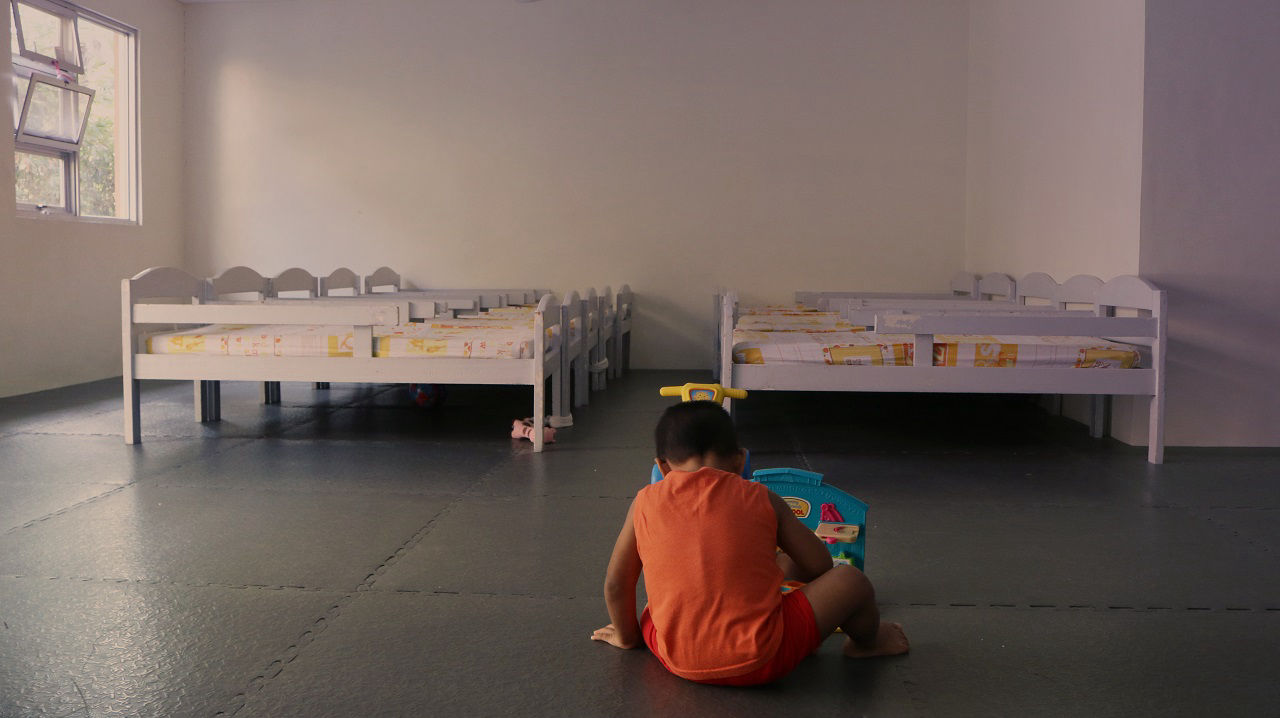
LAST YEAR, a report titled “Situation Analysis of Children in the Philippines” commissioned by United Nations Children’s Fund (UNICEF) Philippines and written by Coram International, raised a red flag over reported cases of child abuse, including abandonment and neglect, in the Philippines.
The Department of Social Welfare and Development documented only 4,873 cases in 2014 and 3,473 in 2015 nationwide.
“It is not possible to determine from the data available whether cases are not being reported, whether the level of identification of child protection cases is low or, more simply, accurate data is not being kept by LGUs,” it said.
With around 45 million children in the country, along with multiple studies showing high prevalence of violence and abuse of children, “these figures must be taken to significantly under-represent the number of children in need of child protection services,” it said.
It noted that in more developed child protection systems, child protection referrals usually involve between two to five percent of the child population. Even using the lower percentage, that amounts to 900,000 children in the Philippines.
In the report, the role of shelters in providing services for children was acknowledged.
“NGOs have made a big difference in ensuring responses and assistance are provided to children,” the report read, but it also noted their limitations.
“They mainly operate in urban centres and do not reach many geographically isolated and disadvantaged communities.”
Services are also reliant on donor funding, which can be removed with little notice, leaving children at risk, the report said.
As of January 2017, there were 2,534 children in residential care managed by DSWD. There are 28 children’s homes accredited by the agency,but did not indicate how many children can be accommodated in such homes.
CCS, CRIBS, and Meritxell could only accommodate 25 children at their shelter at a time.
Despite the best effort of these shelters, the limited resources catch up to them.
Children usually come under their care at a young age, which is critical to the start of the child's brain development.
No matter how much caregivers love the children, they are undermanned. At CCS, for example, there are only seven caregivers to take care of 25 children.
This could lead to numerous delays in the child’s development. Mary Jean, the registered nurse at CCS, says speech development of a child growing up in the shelter can become delayed since there is no one-on-one stimulation with the child by a parent.
Medical emergencies are also a big issue for organizations with limited funding, says Eric Mallonga, the Meritxell founder.
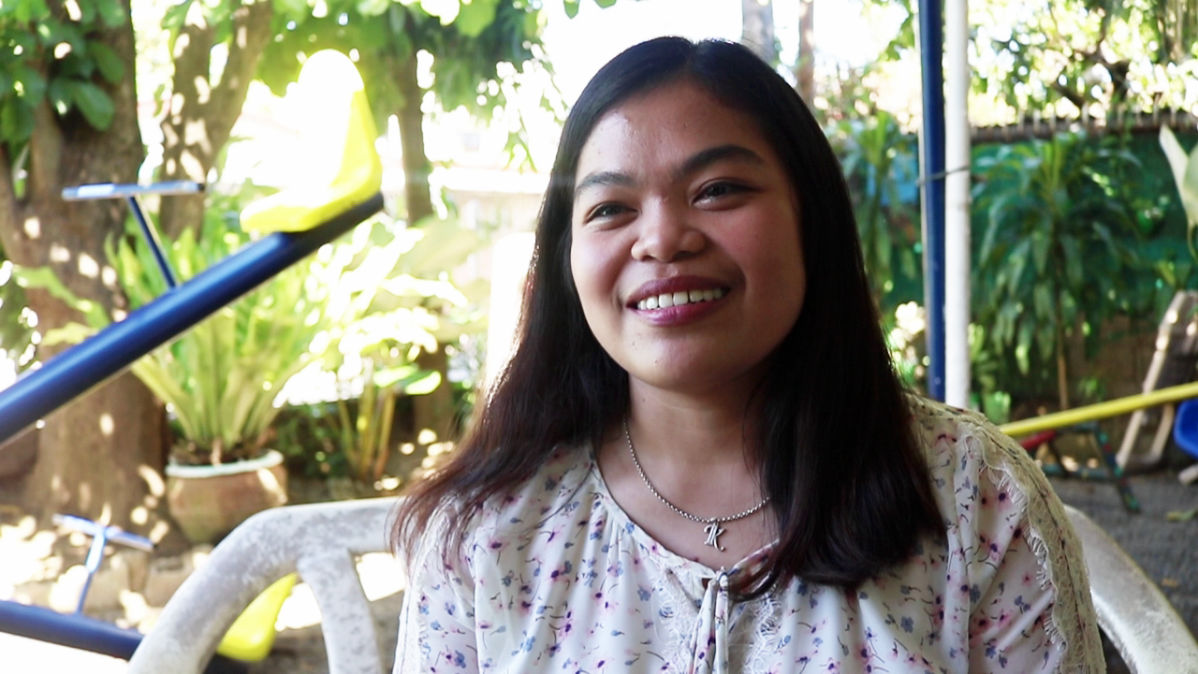
FOR ALL THESE REASONS, the shelters work hard to find better situations for the children.
“From babies hanggang teenager, iniisip ko na kung ano mangyayari sa kanila, ang batang ito hindi lang habang buhay nandito,” says Kristine Abel, the social worker from Meritxell.
(“From babies up to teenagers, I worry what will happen to them, because this child cannot stay here forever.”)
Social workers prioritize reunification with the families of the child. Other children are put up for adoption or foster care, which aims to place the child under a licensed foster family on a temporary basis.
These processes can become dragged out due to the involvement of biological parents, partner organizations, and government agencies. From 2009 to 2018, only 6,854 children were declared legally available for adoption, according to the DSWD. In 2018, only 1,469 children were in foster care.
There is some progress when it comes to streamlining the process. Last December, the bicameral conference committee of the Senate and the House of Representatives reconciled their versions of the proposed Simulated Birth Rectification Act.
The measure defines “birth simulation” as the tampering of the civil registry to make it appear in the record of birth that a child was born to a person who is not the child’s biological mother — a common workaround among Filipino families looking to adopt. The bill opens the avenue for legal adoption.
There is more that needs to be done. The Philippines Development Plan 2017-2022 lists as part of the legislative agenda the “Philippine Adoption Act for Abandoned and Neglected Children and for Children with Special Needs,” which aims to improve the quality of foster care for abandoned and neglected children, particularly those with special needs.
WITH EVERYTHING AT STAKE, social workers know all too well the pressure of finding families for children up for adoption.
“Meron akong mga buhay na nasa balikat ko. Dugo, pawis, overtime, maibigay ko lang ‘yung future na dapat para sa kanila. ‘Yung trabaho ko hindi siya suffering, siya ay sacrifice kasi ito ay made out of love,” says Kristine Abel, the social worker from Meritxell.
(“I have lives on my shoulders. Blood, sweat, overtime, just so I can give them future they deserve. My job isn’t suffering, it is a sacrifice because it is made out of love.”)
Crystal Ronda, the social worker at CRIBS, knows every moment counts.
“Isang araw nga minsan nakokonsensya na kami eh, kasi isang araw mo lang hindi galawan ‘yung case ng bata, isang araw mo na siyang inalisan ng pagkakataon magkaroon ng pamilya,” she says.
(“One day is all it takes to make us feel guilty, because if you do not work on a case of a child for even a day, you already take away that chance for a child to find a family.”)
Some children get adopted within a year. Others, however, take as long as six years.
Children older than three years tend to be adopted by foreign couples, because local adoptive parents have shown a strong preference for adopting only younger children.
Kids who have not been adopted and are about to start school are placed out for foster care.
“Sila ‘yung kailangan tutukan pagdating sa schooling, so pina-priority namin sila sa foster care,” says Crystal.
(“They need attention when it comes to schooling so we really prioritize them for foster care.”)
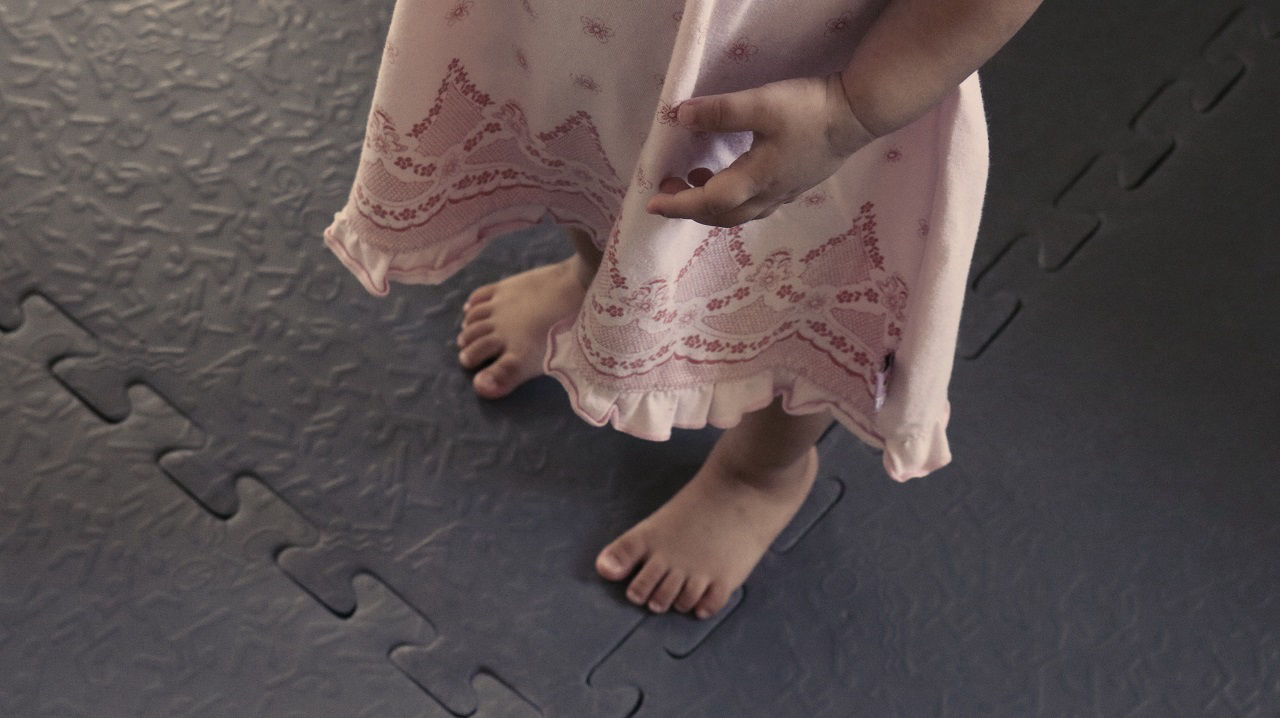
WHEN TIME COMES to finally say goodbye, the experience definitely takes a toll on the caregivers who have grown to love them.
The heartbreak felt by Mary Jean, the CCS registered nurse, when she let Baby Sarah go is familiar to many workers in shelters.
Kristine Abel, thesocial worker at Meritxell, recalls her experience with a six-year-old girl who had been adopted.
“Nu’ng sinundo na siya ng nanay niya, masakit talaga. Sabi ko, ‘Ako yung nanay niya dati,’” she says. “Iniisip na lang namin siguro na mas magiging maganda din future ng bata, kasi ito na ang tunay niyang nanay, ito na ‘yung adoptive mother niya, at mas mabibigay ni nanay ‘yung attention, ‘yung care, ‘yung love kesa sa amin na maraming bata.”
(“When her adoptive mother picked her up, it was painful. I said, ‘I used to be her mother.’ But we just keep in mind that maybe the child will have a better future because this is her real mother, her adoptive mother, and her mother will give her the attention, the care, the love, more than us who have to take care of many children.”)
Gina Tibang, the caregiver from CRIBS, still remembers how she dealt with parting with one of the children she had looked after for years.
“‘Yung time na ‘yun na kukunin na siya, the day before, nag-bonding kami dito lang, tapos ‘yung day na kukunin na siya, kahit anong sabi sa ‘kin na pumunta ka, hindi ako pumunta,” she says. “Ayoko kasi. Pine-prepare namin ‘yung bata na sumama agad sa adoptive family, tapos makita mo ‘yung bata OK, kasi prepared na prepared na siya tapos ako na si caregiver, ako ‘yung iyak nang iyak.”
(“When it was time for him to go, the day before, we bonded here. Then when the day came, no matter how many times people told me to go, I didn’t go. I didn’t want to. We prepare the children to go with their adoptive families immediately, then you’ll see that the child is okay because he’s been prepared, but then his caregiver would be crying so much.”)
Elizabeth dela Victoria, the houseparent from Meritxell, simply puts her heartache in perspective.
“Isipin ko na lang na para sa kinabukasan nila. Masarap tignan ang anak mo na matapos sa pag-aaral. ‘Yun na lang ang kinukuhanan ko ng base. Aalis ang batang to dahil sa kinabukasan niya, dahil makapag-aral siya, pagkatapos niya mag-aral, makapagtrabaho, wala na siyang iisipin,” she says.
(“I just think to myself that it’s for their future. It’s great to see your children finish school. That’s just where I base it all on. This child will leave for the future, study, finish college, be able to work, and not worry about anything else.”)
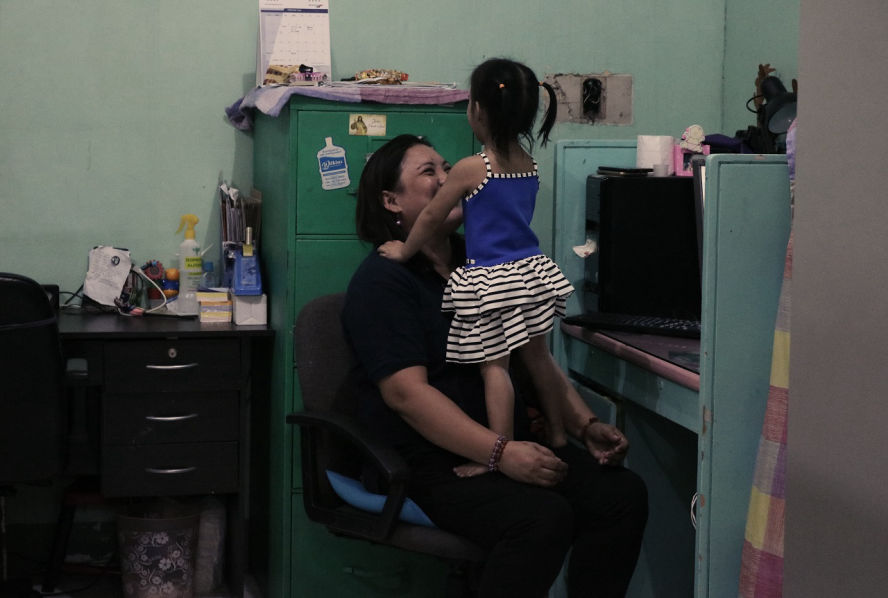
SOME GOODBYES, thankfully, do not last forever.
In 2015, Mary Jean Benavidez got word that Sarah, the baby she had cared for 12 years earlier, was coming to visit.
It was her day off. It didn't matter. There was nothing that would keep her from that moment.
When the moment finally came, Mary Jean wrapped Sarah — her baby has turned into a lady almost as tall as she was — in a tight embrace. “Do you still recognize me after 12 years?”
Sarah admitted that she didn't recognize Mary Jean at first.
“But when I hugged you, I feel something that I can't explain,” Sarah said. “I smell something that I can’t forget from you.”
It was a motherly smell, Sarah told her. “And I feel the love and care from you.”
Today, the nurse remains in touch with Sarah, who recently asked her to download Snapchat so they could communicate on the messaging app. Sarah promised to be back soon, and even vowed to volunteer at CCS.
Mary Jean is in tears as she tells the story of their reunion. Happy tears, this time.
She still remembers Sarah’s words that really got to her. “Sabi niya, ‘I have two moms.’”
(“She said, ‘I have two moms.’”)

SHARE THIS STORY