

 GMA Brandtalk
 Tracking
 Archives

Haze in PH caused by Habagat bringing smoke from Indonesia, says DENR-EMB
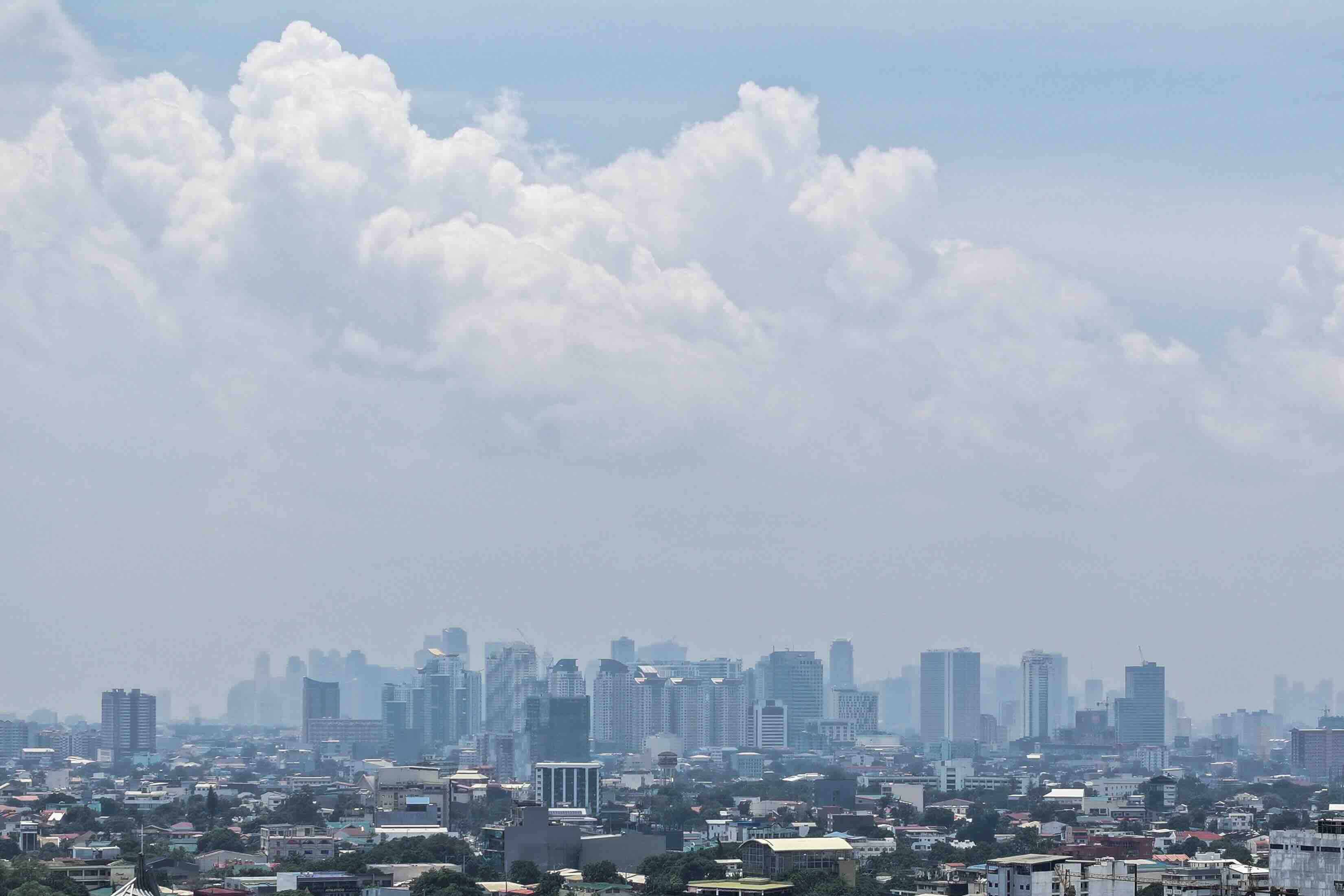
The Department of Environment and Natural Resources-Environmental Management Bureau (DENR-EMB) on Tuesday said the haze affecting parts of Luzon and the Visayas is smoke from forest fires in Kalimantan, Indonesia, carried by the Southwest Monsoon or Habagat.
DENR-EMB also said that the haze may last for a few days.
"From September 1 to September 3, haze may continue to affect parts of the Philippines because smoke from Kalimantan is still being transported by the prevailing southwest monsoon (Habagat) while fires remain active," said Jundy del Socorro, chief of the Environmental Quality Management Division of DENR-EMB.
Dr. Gerry Bagtasa of the UP Institute of Environmental Science and Meteorology said the monsoon winds carrying the haze were dry rather than moist.
Without recent rainfall over the West Philippine Sea to clear the air, the pollutants drifted uninterrupted into the country.
“In many instances, because it rains over the South China Sea and the West Philippine Sea, the air is cleaned before it reaches us,” Bagtasa said.
“The Habagat is strong, so the winds are quite strong right now. We expect the winds coming particularly from West Kalimantan [in Indonesia] to continue blowing toward the country,” he added.
Del Socorro, meanwhile, said that "periods of rain can help reduce pollution levels by washing smoke particles and fine particulate matter (PM2.5) out of the atmosphere."
"In general, a wet Habagat is beneficial for air quality. As long as the monsoon continues to bring moisture and rainfall, it helps suppress haze by removing suspended particulate matter from the atmosphere and reducing the concentration of smoke particles in the air," he added.
Air quality
Several areas in Metro Manila continue to record high concentration of PM 2.5, with 11 stations with "acutely unhealthy" air quality and four others with "very unhealthy" levels.
The DENR-EMB said that air quality could improve between September 4 and September 6.
"Between September 4 and September 6, air quality could gradually improve if rainfall remains widespread and wind patterns begin to shift. Rain is one of the most effective natural mechanisms for removing suspended particles from the air, which can lead to better visibility and lower haze concentrations," said Del Socorro.
"Beyond September 6, conditions will depend primarily on whether the fires in Kalimantan continue to generate smoke, whether new hotspots emerge, and whether winds continue to carry smoke toward the Philippines," he added.
Malacañang advised the public to wear masks or cover their nose and mouth with wet towels when going outside.
"Kung kailangang lumabas at walang N95, maaaring gumamit ng basang panyo o tela o double-mask bilang alternatibong proteksyon," the Presidential Communications Office said.
(If you need to go out and do not have an N95 mask, you can use a damp handkerchief or cloth, or double-mask, as alternative protection.) —with Lyjah Tiffany Bonzo/VAL/VBL, GMA News

