

 GMA Brandtalk
 Tracking
 Archives

WHAT WE KNOW SO FAR: The deadly Nepal-Tibet flash flood
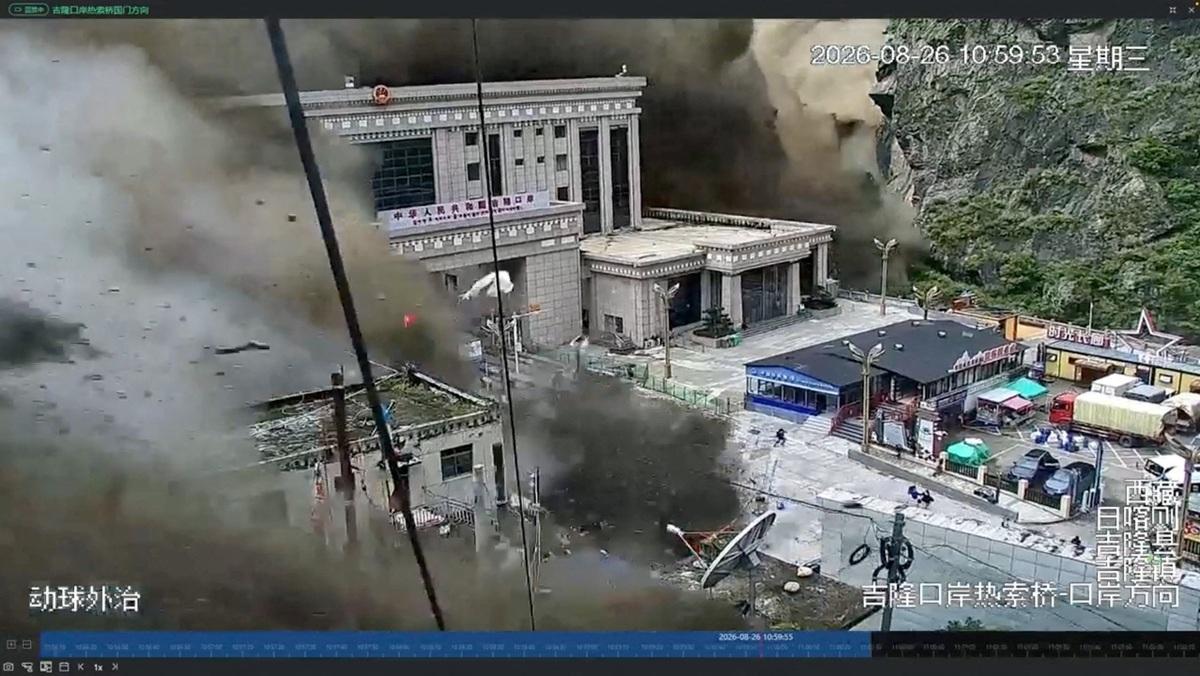
A massive flash flood devastated the border of Nepal and Tibet on August 26, Wednesday, killing at least a hundred people, with hundreds more still missing.
Rescue efforts have been difficult for authorities, with the waters too high for helicopters to land in the affected areas of Syapru Besi and Timure in the mountainous district of Rasuwa in Nepal. The area had about 50,000 residents.
On Tibet’s end, it was the Gyirong port that was hit, according to the Xinhua official news agency. This cut off roads, communications and power in the Shigatse region.
WATCH: Devastation and horror as flash flood hits Nepal-Tibet border
Chinese President Xi Jinping urged for an "all-out" search effort for the missing.
Nepali Prime Minister Balendra Shah has instructed people living in lower areas to safer places.
In 2025, another flood was recorded at the Nepal-Tibet border. At least nine people were killed, and 24 were missing.
After the initial shock of Wednesday's flood, authorities were able to assess that there were at least 157 deaths. Nepal authorities would later raise the death tally to 162. Combined with Tibet's three recorded deaths, the running number of fatalities is believed to be 165.
Officials believe that this figure will continue to rise.
On Nepal's end, there were at least 400 foreign travelers that went missing among the 597 tourists in the region.
More than 100 of them are Indians, 34 are Australians, 33 are British, 24 are Canadians, and 47 are US citizens. South Korea said that at least eight of its citizens that were working on a hydropower plant are missing.
GMA News Online has reached out to the Department of Foreign Affairs (DFA) and the Department of Migrant Workers (DMW) to inquire if any Filipinos were affected by flash flood in Nepal.
Meanwhile, Tibet reported 554 people missing in Gyirong county, with 260 of them being foreigners. It was not clear as of posting time if Tibet's number of foreign visitors overlapped with the tally from Nepal.
Many of the visitors were making a pilgrimage to Kailash Mansarovar, a high-altitude site revered by Hindus and Buddhists.
Dozens of videos depicted the devastating flood sweeping away houses, roads, and power projects. The muddy waters were nearly 2,000 meters above sea level.
Authorities in Bihar have evacuated 5,000 people across six districts, with 10,000 to 12,000 more to be evacuated.
One survivor recounted that he was able to survive by being caught on a mango tree. At least 114 people were rescued from the floods.
Initial reports attributed the flash flood to an earthquake that triggered an avalanche, according to Nepali officials. The earthquake is theorized to have caused a piece of glacier to break off and crash into the valley floor. A large amount of snow had melted 24 hours before the disaster.
It has yet to be concluded what caused the devastating floods, but experts believe it to be events compounded by the region's extreme topography and increasing risks due to climate change.
While the initial reports attributed the flood to an earthquake, the US Geological Survey said the event initially reported as an earthquake, the seismic energy may have actually been caused by glacial collapse and debris flow (GLOF).
A GLOF is one of the hazards caused by global warming. However, a more extensive study is needed to determine if the disaster was caused by climate change.
Another expert noted that the lack of rainfall before the flood was shocking, as this would defeat every flood warning system in the world. — VDV, GMA News

