

 GMA Brandtalk
 Tracking
 Archives

DA taps AI, satellite technology to strengthen food security
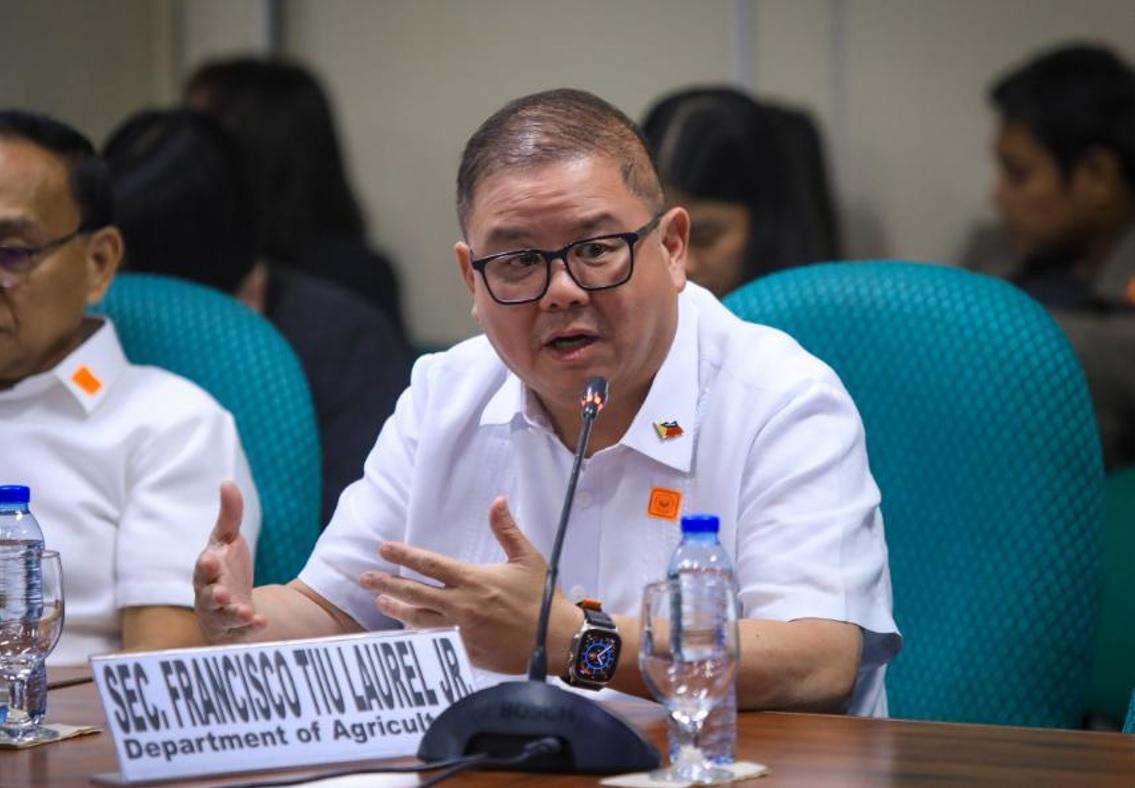
The Department of Agriculture (DA) and the Philippine Statistics Authority (PSA) are turning to artificial intelligence (AI) and satellite technology to improve the way agricultural data are collected, a move aimed at strengthening the country's food security.
Agriculture Secretary Francisco Tiu Laurel Jr. said enhanced data sharing between the two agencies would enable policymakers to make more informed decisions on food production, logistics, and supply, while ensuring government resources are directed where they are needed most.
"As they say, information is key to making the right decisions," Tiu Laurel said.
"Accurate and timely data will ensure that our food security objectives are met. It tells us where production is strong, where it is weak, and where government intervention is needed," he added.
National Statistician Claire Dennis Mapa said closer collaboration between the DA and PSA is essential because the agriculture and fisheries sectors remain key drivers of economic growth, employment, and the country's food supply.
"We want to assure the DA that we are generating reliable and accurate statistics," Mapa said.
He added that the discussions also focused on strengthening the capacity of local government units and DA-attached agencies to improve the quality of agricultural data.
"The accuracy of data is critical in supporting sound policymaking," Mapa said.
The two agencies also agreed to expand the use of technology in agricultural statistics. Mapa said the PSA has begun piloting the use of satellite imagery and AI to estimate crop production, methods already adopted in several countries.
According to Mapa, these technologies will become more effective as the DA expands its field presence to validate satellite-generated data through on-the-ground verification.
In a separate news release on Wednesday, the DA said it is turning to space technology to enhance farm and fisheries management by using satellite data to boost productivity, strengthen climate resilience, improve irrigation planning, and speed up disaster response for farmers and fishers.
The DA and the Philippine Space Agency (PhilSA) recently held a strategy meeting, during which they discussed flood mapping and other potential applications of satellite technology in agriculture.
"Every drop of water we save is another opportunity to increase production and reduce our dependence on imported food," Tiu Laurel said. "If we understand where floodwaters naturally go, we can turn a recurring problem into a valuable resource for irrigation."
Tiu Laurel said satellite data could help the government replicate canal systems similar to those used in Vietnam, allowing rainwater to be stored and redirected to farms during the dry season.
He also told PhilSA representatives that the DA needs satellite-based monitoring of vegetable crops such as carrots and cabbages to help anticipate oversupply and stabilize farmgate prices.
The DA and PhilSA also discussed using satellite technology to monitor crop pests and diseases, drought, flooding, soil moisture, greenhouse gas emissions, and water quality in Laguna de Bay, where the DA is exploring whether space-based imagery can help detect pollution linked to recurring fish kills.
Meanwhile, Tiu Laurel renewed his call to rebuild the DA's corps of agricultural extension workers, describing them as the agency's missing "boots on the ground."
He said deploying more DA personnel across municipalities would enable the department to gather near real-time field data, improve production forecasts, and respond more quickly to issues affecting farmers and fisherfolk.
The agriculture chief also welcomed the conduct of a new national census this year, saying updated population and consumption data would help the government better estimate future food requirements, refine production targets, and prepare more accurate budgets.
"Data should not simply tell us what happened," Tiu Laurel said. "It should help us anticipate what comes next so the DA can be proactive, not reactive, in protecting the country's food supply."— MCG/VBL, GMA News

