

 GMA Brandtalk
 Tracking
 Archives

DPWH awards only 32% of projects in 2026 amid bidding delays — Dizon
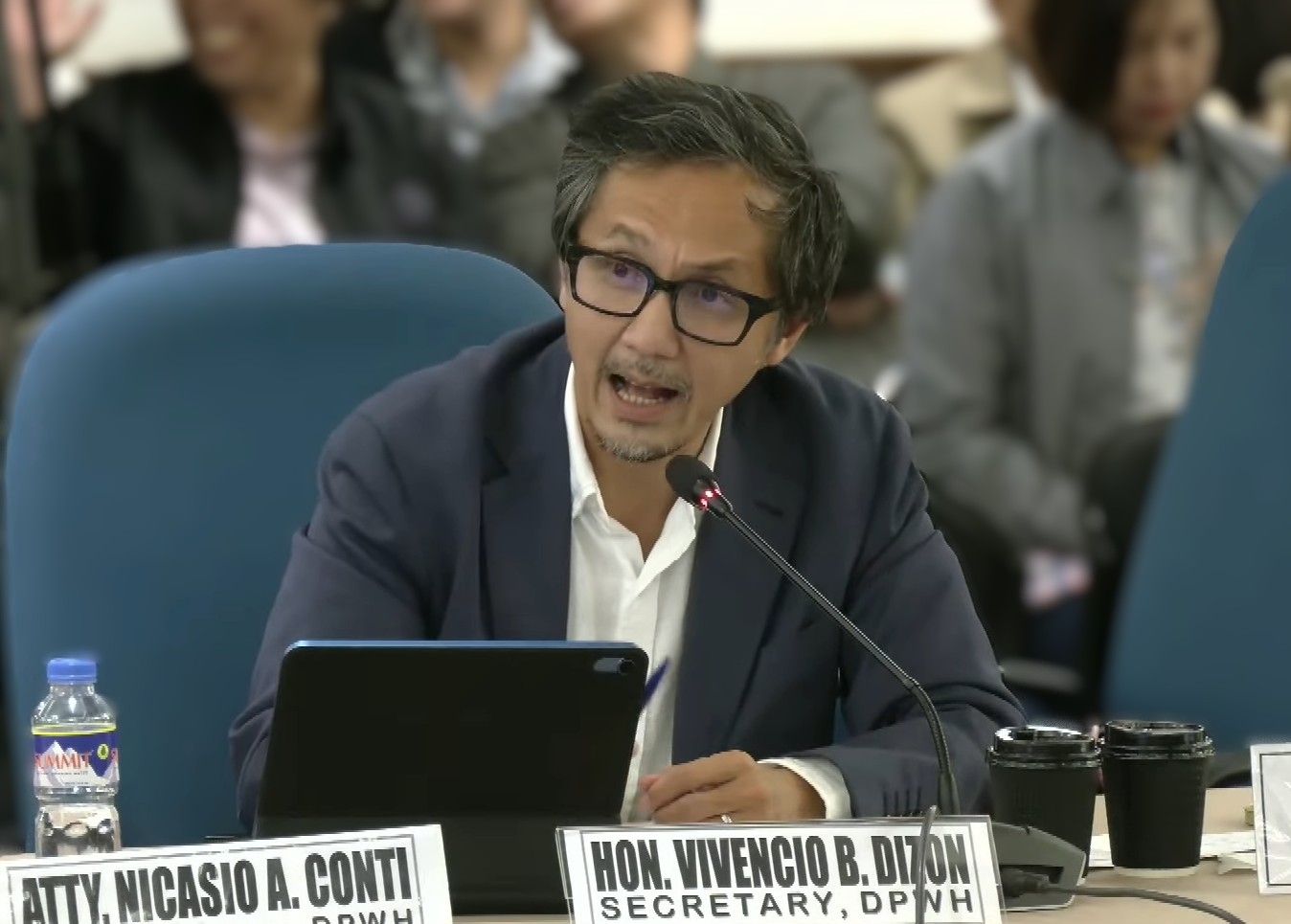
The Department of Public Works and Highways (DPWH) has awarded only 32% of its proposed projects for 2026, with Secretary Vince Dizon attributing the delay to more stringent measures adopted following the flood control scandal last year.
During the DPWH’s budget hearing before the House Committee on Appropriations, Dizon presented the status of the bidding for the agency’s projects.
“Right off the bat, I have to say that we are really very delayed on this,” Dizon said.
The DPWH has more than 17,000 national projects with a total allocation of P459.89 billion. So far, 15,031 projects, or 76% of the total, have been advertised or opened for bidding. These projects are worth P349.48 billion.
Of these, only 7,467 projects worth P146.41 billion have been awarded, representing just 32% of the total project allocation.
The DPWH chief cited three main reasons for the delay: the agency’s failure to conduct early procurement, the imposition of more stringent requirements and the late release of Special Allotment Release Orders (SAROs) for the projects.
On the agency’s inability to conduct early procurement, Dizon said the DPWH typically begins the process in October, well before the final budget, or General Appropriations Act (GAA), is signed by the President in December.
He said early procurement is based on the National Expenditure Program (NEP), or the executive branch’s proposed budget. However, the 2026 NEP differed significantly from the final 2026 General Appropriations Act (GAA), preventing the agency from conducting early procurement.
"The DPWH’s NEP changed dramatically,” Dizon said.
As a result, nearly the entire capital outlay budget of the DPWH was marked “for later release,” Dizon said. The Special Allotment Release Orders were released only in May or June, allowing the bidding process to begin only then.
Dizon said another reason for the delays was the stricter requirements now being imposed on projects.
Before the flood control scandal, no supporting documents were required for a project to be included in the NEP. Only the project name and cost were required, he said.
“A lot of projects were put up for bidding even when the requirements and plans were incomplete," Dizon said.
Under the new rules, projects must meet more stringent requirements, including an approved program of work, validated geotagged photos, budget preparation documents, a certificate of implementability, and a master plan or feasibility study.
Dizon emphasized that he was not making excuses for the delay, but was simply explaining the situation faced by the agency.
He remained confident, however, that the DPWH could catch up.
“We are confident that by the end of September, more than 80% of these projects will have been awarded already,” Dizon said.
The slowdown in infrastructure spending has been cited as one factor behind the notable deceleration of the Philippine economy, amid concerns over corruption related to flood control projects.
Fewer infrastructure projects
Dizon said the DPWH had also made a deliberate effort to reduce the number of infrastructure projects.
Based on data he presented to lawmakers, the agency is proposing 11,395 projects for 2027, nearly half the number it had in 2023.
In 2023, the DPWH had 22,836 infrastructure projects. The number increased to 25,545 in 2024 and stood at 25,301 in 2025, when the flood control scandal broke.
A year later, the number of infrastructure projects had declined to 17,861.
Dizon explained that the agency wanted to eliminate duplicate and overlapping projects. The DPWH also plans to focus on big-ticket projects while reducing the number of smaller projects below P5 billion.
The agency also faced an issue with absorptive capacity, which refers to a government agency’s ability to efficiently utilize its allocated funds.
“There is a limit to the number of projects that can be implemented by a district engineer or a regional office,” Dizon said.
In some cases, he said, offices were receiving project allocations equivalent to three times their absorptive capacity.— MCG, GMA News

