

 GMA Brandtalk
 Tracking
 Archives

Visayas grid under red, yellow alerts on Aug. 26, 2026
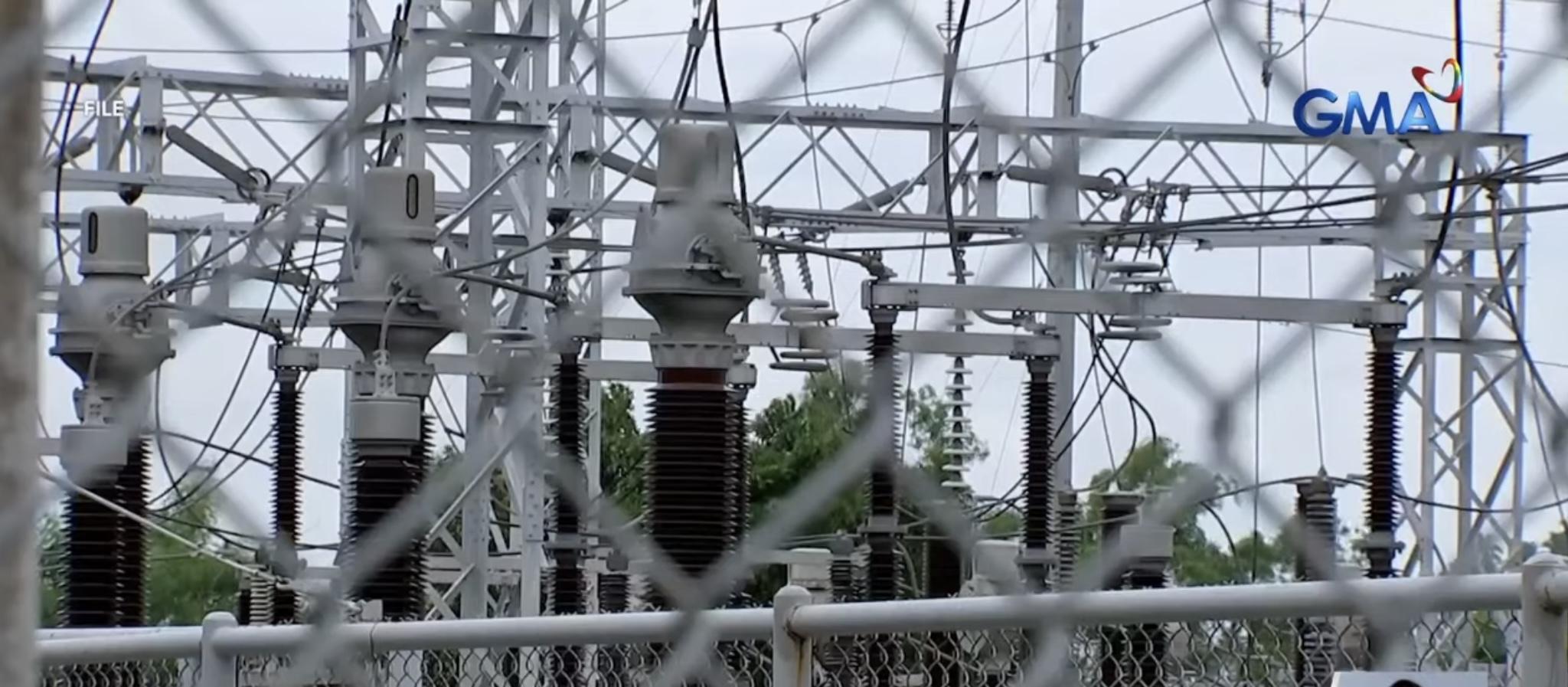
The Visayas power is placed under red and yellow alerts on Wednesday afternoon to evening, raising the possibility of power interruptions caused by the unavailability of several power plants.
In an advisory, the National Grid Corporation of the Philippines (NGCP) said a red alert is hoisted over the island cluster from 3 p.m. to 9 p.m., following a yellow alert from 2 p.m. to 3 p.m.
Another yellow alert status would be raised at 9 p.m. to 10 p.m.
The Visayas grid is operating at 2,324 megawatts (MW) against a peak demand of 2,550 MW.
The grid operator cited the following factors that contributed to the red and yellow alert declarations:
- Unavailability of Visayas' large coal plants TVI 1, TVI 2, KSPC 1
- Limited power import from Mindanao (due to Mindanao's high demand forecast and planned outage of TSI 1)
Moreover, the NGCP said eight plants are on forced outage in August 2026, one plant since July, three plants since June, seven plants since May, one plant since March, three plants since 2025, two plants since 2024, two plants since 2023, and one plant since 2021, while 14 plants are running on derated capacities.
The plants on outage and derated capacities resulted in a total of 901 MW of capacity unavailable to the Visayas grid.
A red alert status is issued when power supply is insufficient to meet consumer demand and the transmission grid’s regulating requirement.
Widespread power interruptions or rotational brownouts are expected.
In this situation, electricity might be cut temporarily in certain areas on a scheduled basis to prevent the entire grid from collapsing.
Meanwhile, a yellow alert is issued when the operating margin is insufficient to meet the transmission grid’s contingency requirement.
While supply is still enough to meet current demand, it no longer reaches the required safety margin.
At this level, the possibility of rotational power interruptions increases. —VAL, GMA News

