






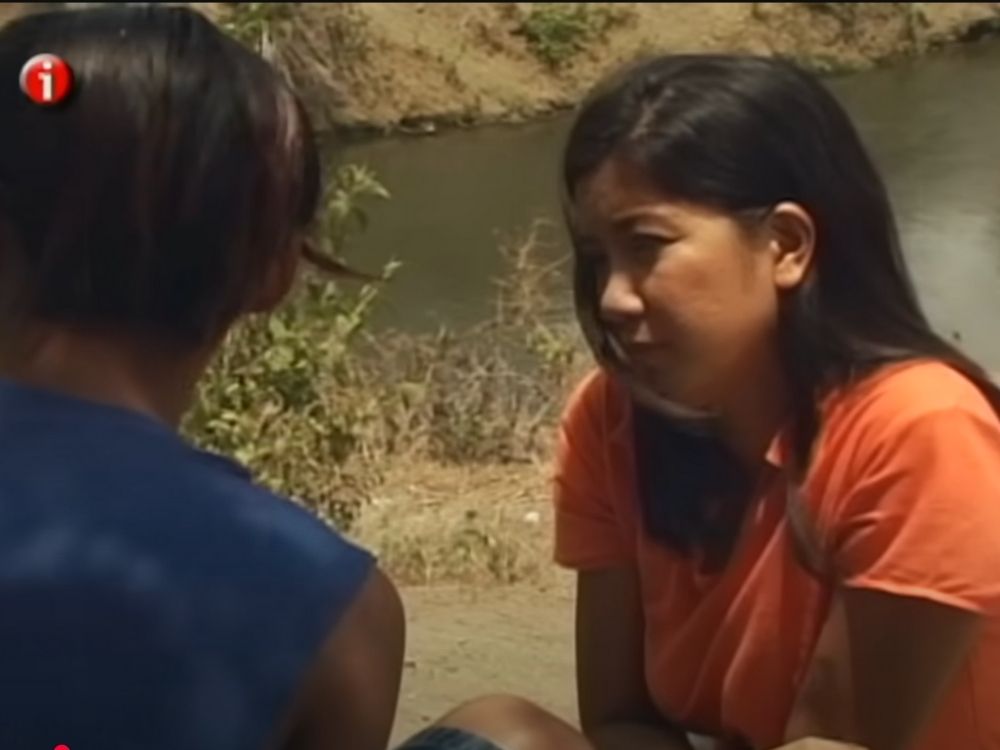
Good journalism is both timely and evergreen. It is driven by purpose, anchored to a bottomless well of truths to tell. Ask Kara David how she’s able to come up with such a reputable resume, and she will tell you exactly what it means to be a good journalist.
For the award-winning Kapuso documentarist, the driving force that has kept her passion for good storytelling alive and burning is the ability to uplift those who have less in life.
“Kasi may mga kwento pang dapat ikwento, so we do not stop. We don’t stop hangga’t hindi nababago yung buhay ng mga taong ito,” David said in an interview with GMA Regional TV News during her contract renewal.
On July 8, 2025, Kara reaffirmed her ties with GMA– her home network for three decades already– signalling the extension of more award-winning reportage and documentary-making.
Already thirty years (and counting) in the business of news and public affairs, David doesn’t seem to have lost any of the bravado that has earned her brand of storytelling a George Foster Peabody Award, and the social media moniker “Queen of Potential Sound.”
Why her appetite for meaningful stories remains the same, Kara believes, can be attributed to an insatiable urge to provide assistance to the marginalized.
“Wala tayong karapatang tumigil, sa totoo lang, kasi marami pang kwento ang hindi pa nakukwento,” the 52-year-old Peabody winner, known for works of social relevance, urged, “at marami pang taong matutulungan”
Critically acclaimed documentaries such as Buto’t Balat (2005), Selda Inosente (2008), Ambulansyang de Paa (2009), and Uuwi Na Si Udong (2007) are just some of the many outputs that have rightfully shed light on plights of Filipinos often overlooked.
NO STORY IS THE SAME
An important takeaway from David’s journalistic ethos is the belief that “each story is different.”
The I-Witness host believes that no story is ever alike– that no matter how thematic systemic issues and sensitive narratives like poverty, child labor, and death penalty are, journalism’s role in uncovering the crux of these injustices stays consistent.
“Hindi siya same, hindi over and over again eh. Kasi nagbabago ang istorya. Sabi nila, ‘oh child labor na naman, poverty na naman,’ pero hindi eh,” she noted.
The north star, warned David, should not be ratings and compensation. “Bakit mo ba ginagawa yung istoryang ito? Kung ginagawa mo para sa rating, kasi kikita ka, kasi suweldo na bukas, then your heart is not in the right place.”
Rather, the incentive must always be for the public good.
“Ginagawa ko itong istoryang ito kasi yung kuwento ni ate at kuya, dapat marinig ng mas maraming tao, ng gobyerno, at ng iba pang tao. This story is worth telling, and I have to give justice to this story– na ako ang maging instrumento para ma-magnify yung boses nila,” she reminded.
In 2002, David established “Project Malasakit,” a foundation that aims to bridge gaps through community outreach programs and scholarships that enable children from underprivileged sectors to finish school.
She is the quintessential definition of a good storyteller, with a remarkable career founded on a clear purpose and the natural inclination to experience, explore, and share to the world the many lived realities of Filipinos.
“This is the reason why I keep telling stories,” she said, “hangga’t may batang kailangan mag-trabaho para makapag-aral, may batang walang access sa education, mga teacher na kailangan maglakad ng kilo-kilometro para magturo, may kailangan sumisid at mag-risk ng buhay para makakain tatlong beses sa isang araw, hindi tayo titigil sa pagkukwento. Hindi dapat.”
Kara David’s strength is both in her writing and on-screen brilliance, as it is in the natural placement of her heart– something that all aspiring journalists can learn from as we all try to be good storytellers ourselves.