






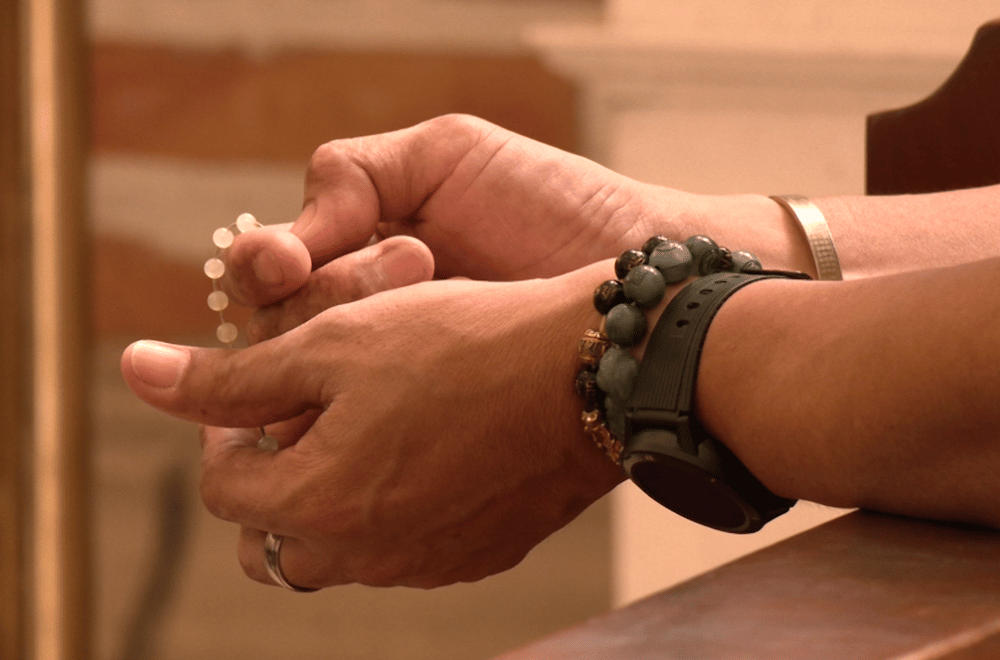
Many Filipinos observe different superstitions during Holy Week, but the Catholic Church reminded the public to focus on faith and not on unfounded beliefs.
Some people like Christian Claveria continue to follow traditional practices passed down by elders, such as avoiding meat, staying quiet, or not leaving the house.
“Kadalasan ‘yun ang sinasabi ng matatanda, kaya susunod na lang ako,” she said.
Others like Vivian Toledo believe in stricter rules during Good Friday.
“Bawal mag-ingay. Huwag lalabas. Stay ka lang sa bahay,” she said.
Church officials said valuing silence during Holy Week is acceptable, but it should be understood as part of reflection, not fear.
Rev. Fr. Jerald Jimenez, parochial vicar of St. John the Evangelist Cathedral, also clarified that some beliefs have no basis in Church teaching.
“Una sa lahat, walang turo ang simbahan na nagsasabing bawal maligo sa Biyernes Santo. Ang sabi ng simbahan, pagtuunan ng pansin ang selebrasyon ng ating pagmamahal kay Kristo,” he said.
Palm fronds, or “palaspas,” are also commonly believed to protect homes from evil spirits when placed on doors. But the Church said these are not amulets.
“Ang palaspas ay hindi anting-anting o pantaboy sa masamang elemento, kundi hudyat ito ng Semana Santa,” Jimenez said.
Some families also avoid traveling far during Holy Week due to beliefs about accidents or bad luck. The priest said these practices reflect Filipino culture, not religious doctrine.
“Obviously, hindi na natin dapat paniwalaan ang mga ito. Kasi sa ating pananampalataya, sa paniniwala natin sa pamahiin ay taliwas sa paniniwala sa ating Diyos,” he added.
The Church urged the faithful to focus instead on the true meaning of Holy Week, Christ’s love and sacrifice.
Rather than fear, Jimenez said people should respond with gratitude.
He added that God calls for love and thanksgiving, not fear, as believers mark the season.