






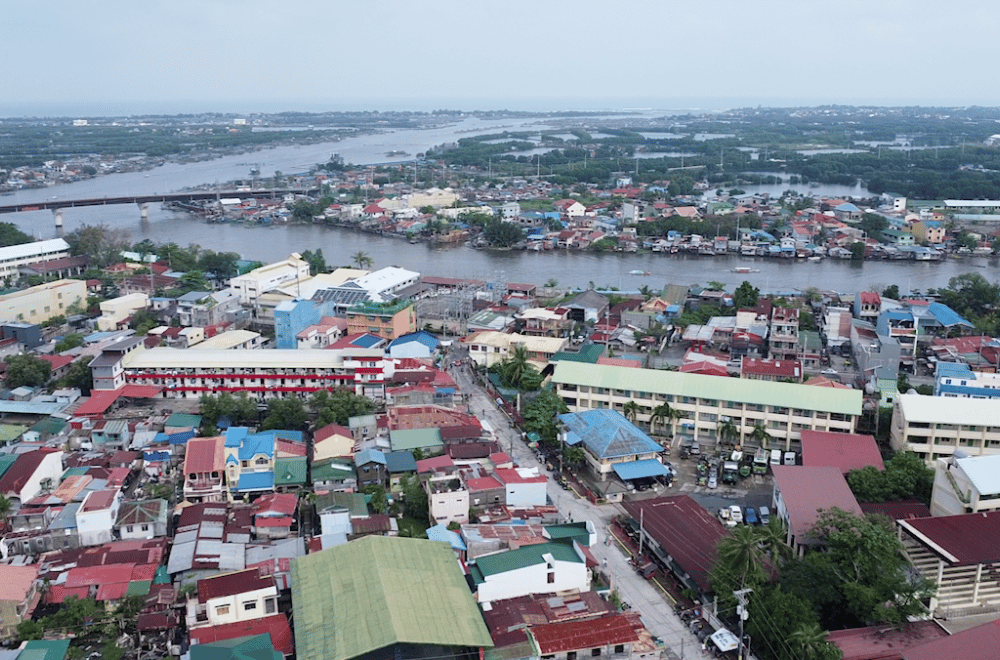
Thirty-six years after the devastating 1990 Luzon earthquake, survivors in Dagupan City continue to remember the tragedy as local authorities strengthen earthquake and tsunami preparedness to reduce the impact of future disasters.
The magnitude 7.8 earthquake that struck Luzon on July 16, 1990 remains one of the deadliest earthquakes in Philippine history, killing nearly 2,000 people, destroying thousands of buildings, and causing billions of pesos in damage.
Eddie Bonzo, a tricycle driver and one of the survivors of the disaster, witnessed roads crack and buildings collapse during the powerful shaking.
"Naranasan ko, gumagalaw na ang kalsada. Nakakapangilabot. Kasi andaming namatay sa Baguio. Kami ang kumuha doon, mga taga-Malued sila,” he said.
Bonzo said he and others were watching over their business when the earthquake suddenly struck.
Another survivor, Bi Gua Go, was 30 years old at the time and was selling goods near the Dagupan City Plaza when the ground began to shake.
She said fear drove her to run into the middle of the road despite the danger from passing vehicles.
"Nagtitinda ako ng plastic cover noon, tapos gumagalaw na. Takbo ako sa gitna ng kalsada, natatakot ako," she said.
The earthquake, which lasted for nearly a minute, caused widespread destruction across Luzon. Images from the disaster continue to remind many residents of its devastating impact.
Since then, the Dagupan City government has strengthened its disaster preparedness efforts. It continues to build earthquake-resistant public buildings that can also serve as evacuation centers in the event of a major earthquake or a tsunami.
The city also plans to install more community tsunami alerting stations as part of its disaster risk reduction program.
Melykhen Bauzon, chief of the City Disaster Risk Reduction and Management Office's Public Alert Response and Monitoring Center (PARMC), said the city regularly conducts emergency drills.
"May mga earthquake drills at sinasabayan na rin natin ng mga tsunami drills. Ganyan ang ginagawa natin ngayon," Bauzon said.
Authorities said simulation exercises will continue to help prepare residents for a strong earthquake and possible tsunami, particularly as experts continue to warn of the potential impact of the so-called "Big One."