






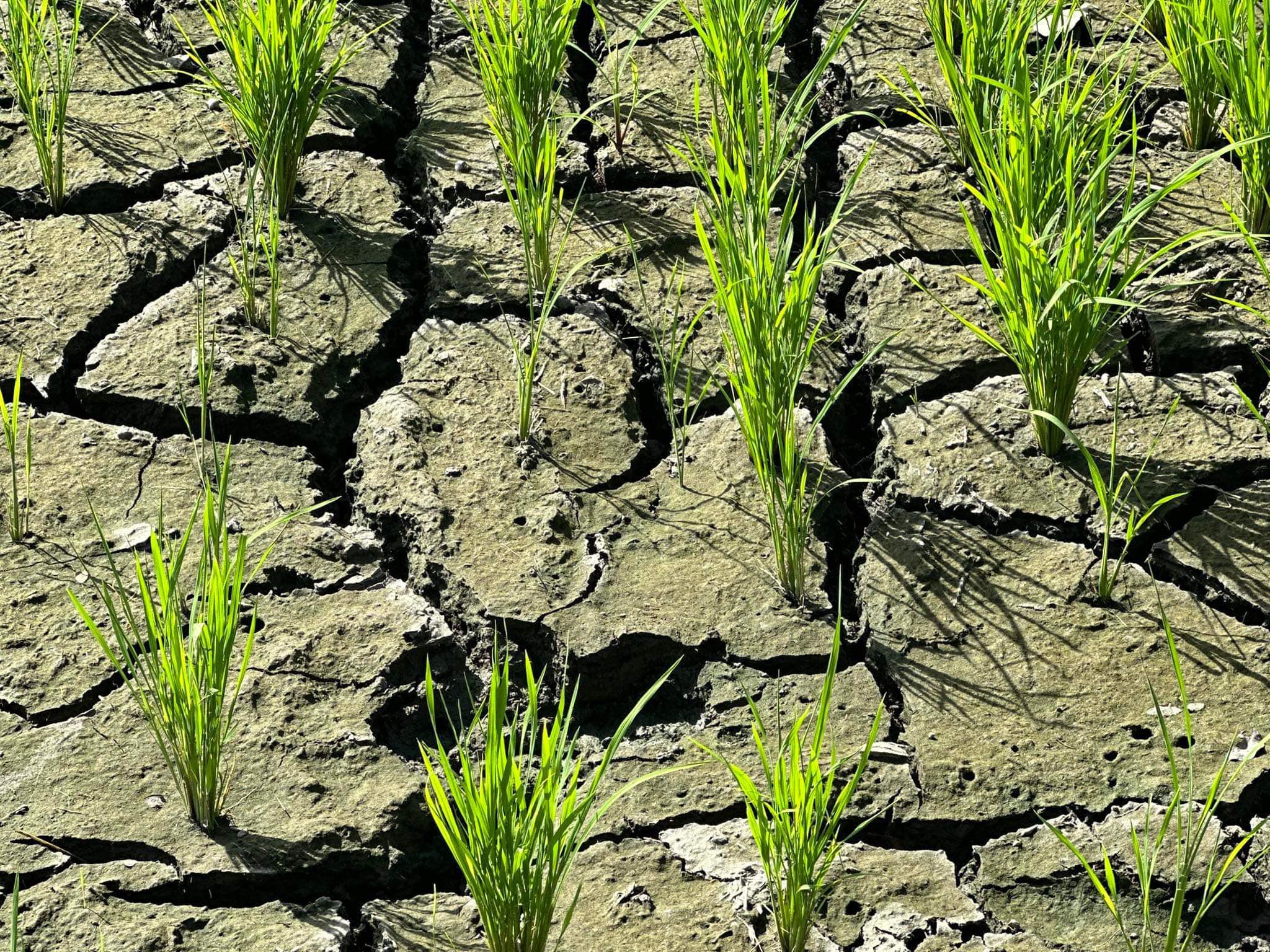
Western Visayas has been identified as one of two regions in the Philippines affected severely by the El Niño phenomenon.
Assistant Secretary Joey Villarama of the Presidential Communications Office and spokesperson of Task Force El Niño confirmed this in a live interview on February 20, 2024 over a government-run television channel.
The other is Zamboanga Peninsula (Region 9).
Damages to “palay” (rice) and corn in both regions are estimated at P150 million, he disclosed.
Government interventions through the Department of Agriculture (DA) include the replanting of hybrid varieties of drought-tolerant or drought-resistant rice, he said.
If such intervention does not prosper, DA is to direct the planting of high-value crops such as peanuts, legumes, mung beans (monggo), to name a few.
In the event that irrigation channels go dry, DA is prepared to construct shallow tube wells that would source from underground water table. As for non-recoverable lands, Villarama said, livelihood opportunities by way of goat-raising and other domestic animals are in the offing.
“Magiging scientific ang approach natin kasi ang ating kalaban ay kalikasan; hindi natin alam kung sisirain ang ating crops, at mga palayan any further, so dadagdagan po natin ang ating pagmamatyag. We have to reassess water supply, food supply, energy supply, pati po kalusugan,” Villarama said.
Further, Villarama said that the northernmost Philippines may expect the severe impact of El Niño with projected heat index at 40-degrees Celsius by May, per earlier advisory of state weather bureau, Pagasa.
He said that 17 provinces in the country were already identified in “dry condition” or areas that have received below normal rainfall in two consecutive months; 10 provinces under “dry spell” or below normal rainfall in three consecutive months; while “drought” is experienced in 14 provinces having received below normal rainfall in five consecutive months.