






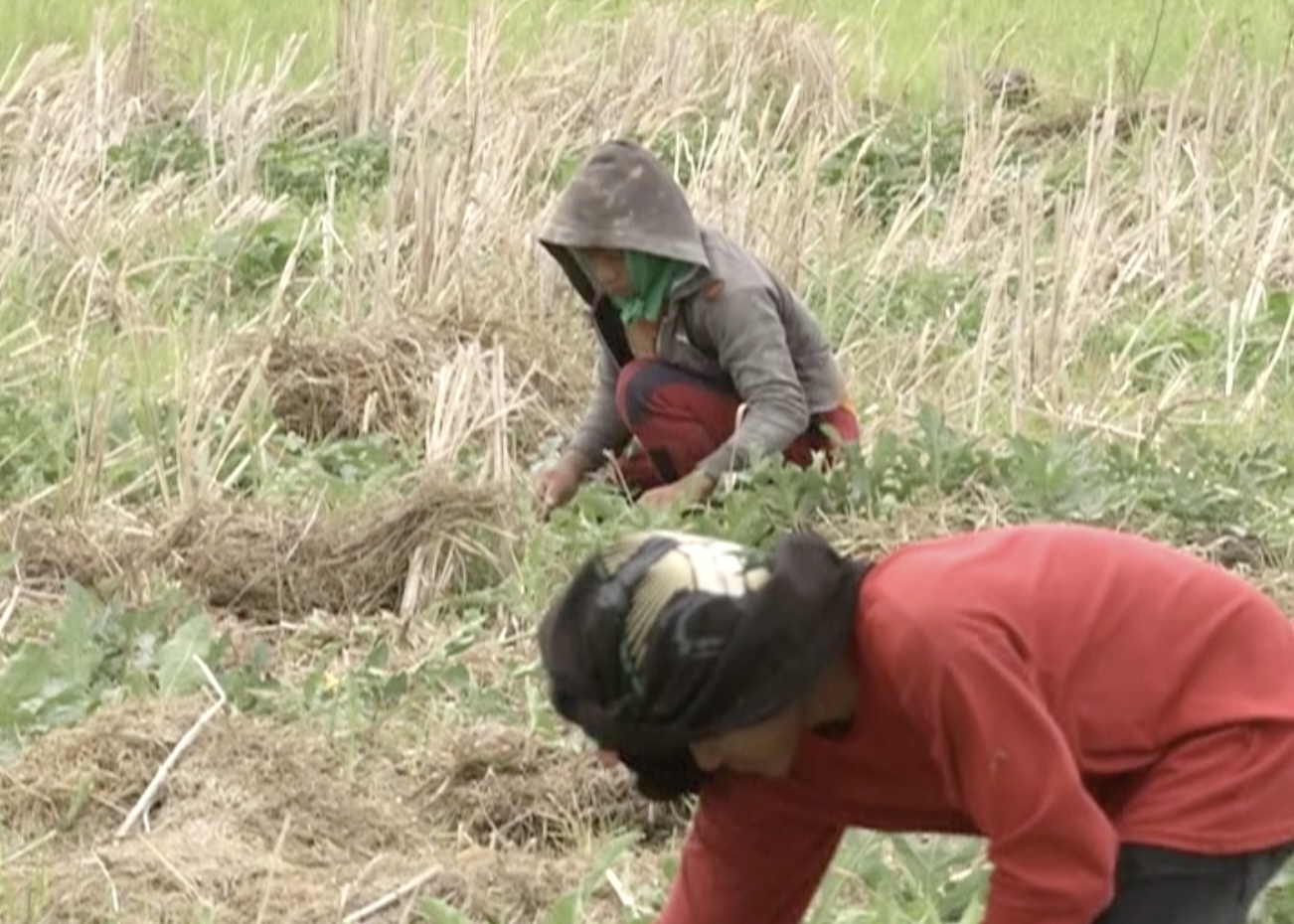
Three provinces in Western Visayas are among 10 provinces in the Philippines experiencing dry spell, or areas that have received below normal rainfall in the last three months.
According to data furnished by the Department of Agriculture 6 to the Office of Civil Defense 6, the three provinces are Iloilo, Antique, and Negros Occidental.
Damages are placed at P251.4 million affecting some 6,675 farmers and fishermen.
“For the province of Iloilo, it has already experienced a significant damage worth P135 million in losses across nine towns affecting 3,458 rice farmers. In Antique the losses amount to P102 million impacting 2,845 rice and corn farmers. In Negros Occidental there’s already reported damages of P12 million affecting 372 rice farmers,” OCD Regional Director Raul Fernandez said.
Here are the exact figures: P135,760,598 in Iloilo; P102,945,808 in Antique, and P12,724,721 in Negros Occidental.
OCD 6 said that Local Government Units can be placed under a state of calamity.
“We have parameters for that. They can declare state of calamity when the trigger point has already been reached. A certain percentage of their population must experience that condition before they can declare a state of calamity,” Fernandez said.
The Task Force El Niño is set to assess next week the impact of the dry spell for interventions such as emergency relief and assistance to the agriculture sector, as well as community education drive to teach the public on proper water management.
On February 20, 2024, Pagasa recorded in Iloilo City a maximum heat index of 36 degrees Celsius expected to rise by March.
"By the end of March 2024, ini-expect natin sa ating condition sa Western Visayas, isasailalim tayo sa dry spell condition kung saan ang Provinces ng Antique, Capiz, Iloilo, and Guimaras will be under dry spell condition and Negros Occidental will be under drought condition,” Jeff Maquiling, weather forecaster of Pagasa, said.
Dry condition means areas have received below normal rainfall in two consecutive months; dry spell means below normal rainfall in three consecutive months; while drought means below normal rainfall in five consecutive months.