






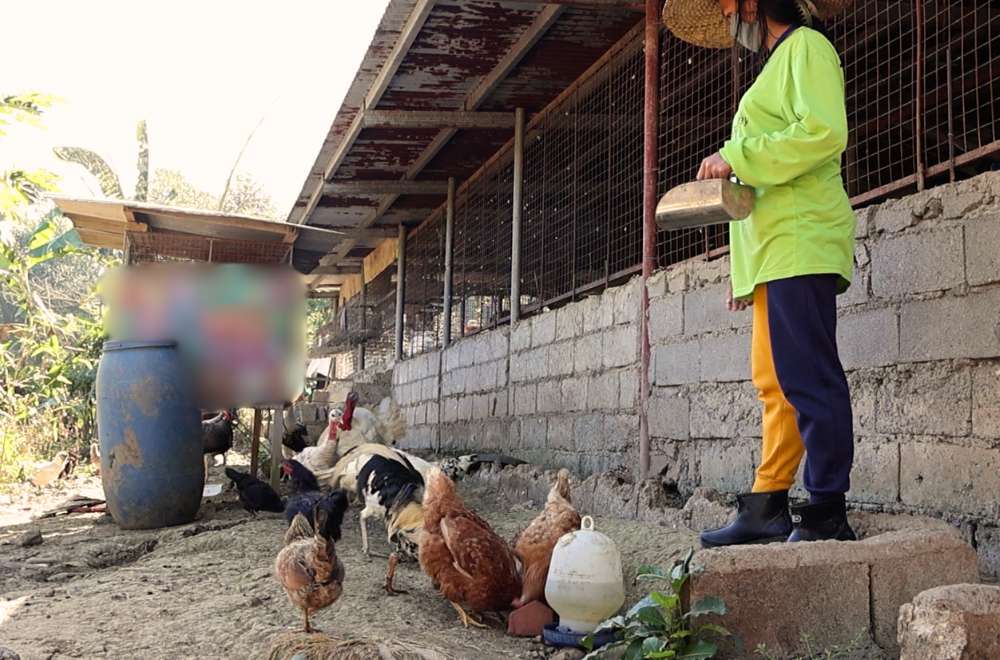
The scorching heat brought by El Niño has led to the death of several poultry in Gamu, Isabela.
Arlene Lopez, a poultry raiser, said that she lost around 20 of her chickens because of the hot weather.
"Ang ginagawa namin para mabawasan ang mga namamatay na manok ay tamang pagpapakain [at] paglagay ng mga exact na tubig," Lopez said.
In Vigan City, carriage drivers follow a schedule to avoid the intense heat to protect their horses.
They also provide the horses baths before heading out.
The number of passengers per carriage were also reduced to alleviate the burden on horses amid the hot weather.
"Dalhin na lang sa malilim na lugar [ang mga kabayo] tsaka painumin ng tubig, at pwede ring mag apply ng cold water, o kaya yung yelo sa katawan pwede sa likod o sa batok," Dr. Rayeth Robeniol, a veterinarian from Vigan City, said.
In Laoag City, animals are sheltered early and are given frequent baths and water to shield them from the intense heat.
Some cattle in the area have reportedly shown signs of weakness due to the elevated temperature.
Authorities have advised pet owners to immediately take action if their animals show signs of lethargy, increased panting, and reddening.
For most animals, wiping their bodies with a wet cloth can help lower the temperature.
However, it is not advisable to wipe the head of dogs as it may constrict the blood vessels in their brain.
In a report by Jiselle Anne Casucian of GMA Integrated News, the El Niño is expected to peak this February, with over 35 percent to 50 percent of the country experiencing below-normal rainfall conditions.
"By the end of February, twenty-four (24) provinces in Luzon and one (1) province in Visayas are potential for meteorological drought conditions; seventeen (17) provinces for dry spell, while, ten (10) provinces will be potential for dry conditions," the PAGASA said in an ENSO advisory.