






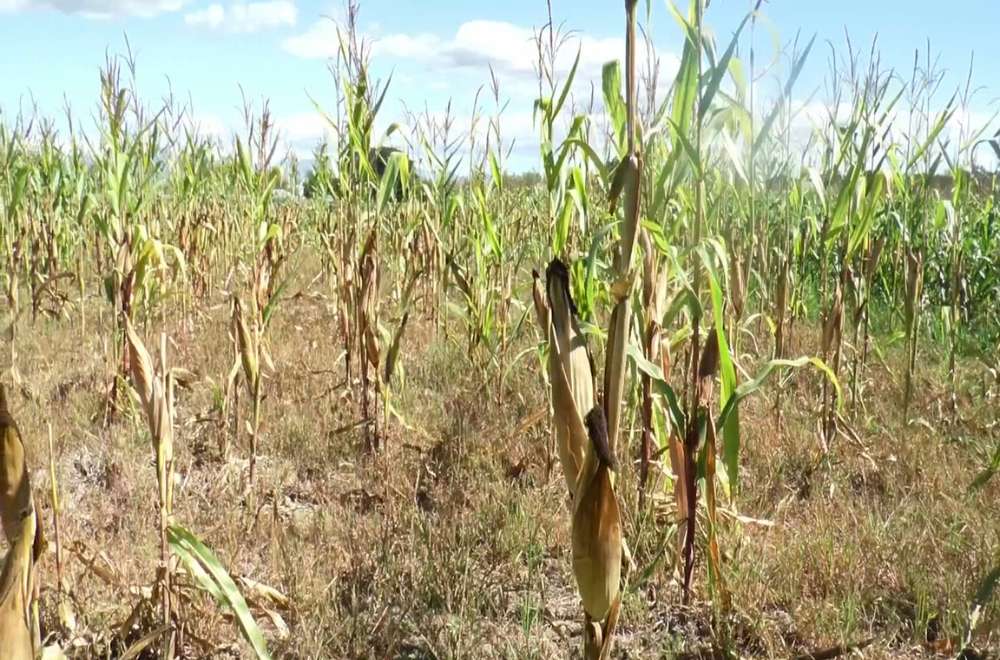
The impact of El Niño is taking a toll on several regions in the Philippines, particularly in Ilocos, Mimaropa, Western Visayas, and the Zamboanga Peninsula.
Prolonged dry spells have led to farmlands drying up due to the absence of rain and insufficient water supply.
The Department of Agriculture (DA) reports damages and losses amounting to P357.4 million, affecting more than 5,000 hectares of rice fields.
In response, the agency plans to provide aid to around 8,000 farmers by distributing essential farm inputs and drought-resistant crops.
The dry spell has not spared vegetable, corn, and rice crops, with over 100 hectares of farmland in San Fabian, Pangasinan, severely affected.
Some farmers, unable to source water, had to let their crops wither.
The Municipal Agriculture Office is currently validating the number of farmers affected for assistance.
In Pasuquin, Ilocos Norte, the aquaculture industry faces challenges due to excessive heat.
Fishponds in Bernardo Tambio now have reduced water levels significantly, impacting the survival of bangus (milkfish) and causing blindness in tilapia due to increased salinity.
In response, fish grower Fernando Tambio now uses backhoes to deepen the ponds and mitigate the salinity issue.
"Namamatayan kami ng isda minsan. Wala na [tira] itatapon nalang... maswerte na kami kung mabubuhay yung 150 piraso [ng isda]," Tambio said.
"Yung ginagawa nila [mga fishgrower] is nagre-request yung mga asosasyon ng backhoe para yung mga fishpond nila ay ma-expand at mas malalim[an] pa," Glenda Lagpacan, the Municipal Fishery Coordinator, said.
Meanwhile, in Oriental Mindoro, the provincial government is actively seeking water sources to provide irrigation to farmlands.
As of this writing, a deep water excavation is underway in Bulalacao and Mansalay towns.