





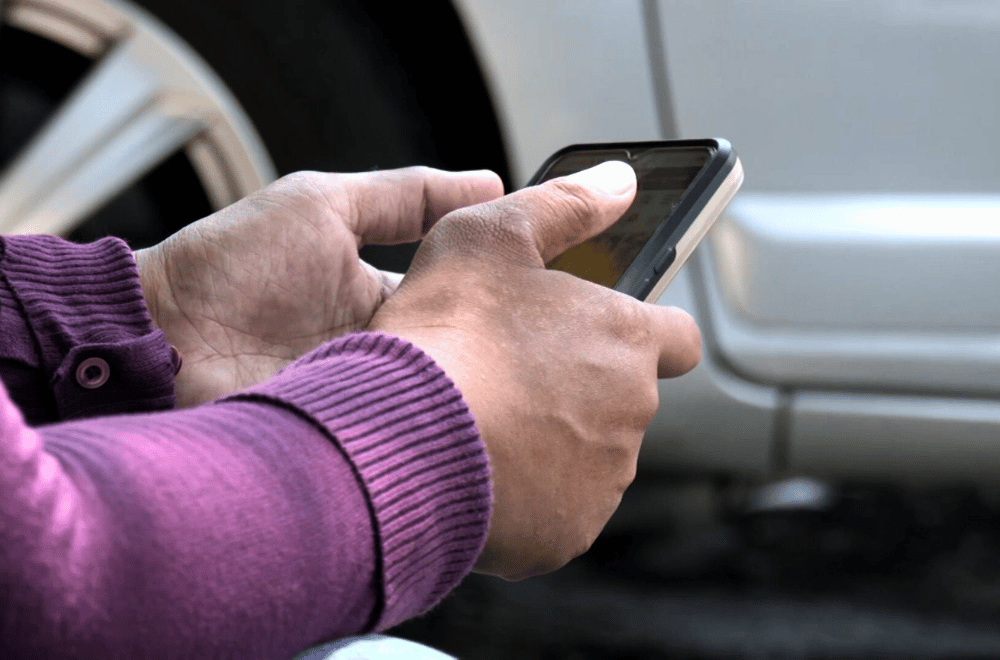
The National Telecommunications Commission (NTC) has urged the public to report to its consumer hotline, 1682, the text scams that they receive, instead of just shrugging them off.
Many still continue to fall victim to the scams.
Some residents in Batangas are unsure about where to report text scams they receive, which is why they just ignore them or delete messages from unfamiliar numbers.
The scam texts often claim they've won contests even without joining.
"Kagaya ng ano, mag-withdraw [at] magbigay daw muna ako ng pera sa kanya, tapos may mare-receive daw akong pera," Sherliy Alcomendas, a SIM card user, said.
"Ayun nga nagtataka rin pero hindi ko na lang pinapansin. Siyempre merong magte-text sa'yo na hindi mo naman alam kung kaninong number," Brenda Nuyte, another SIM card user, said.
According to the Department of Information and Communications Technology (DICT), the public should know what to do in such cases.
"Wala akong idea [kung san ire-report]. Pinapabayaan ko na lang [at] hindi ko na pinapansin," Roldan Fajilago, another SIM card user, said.
"Kung saka-sakali naman na ma-scam, edi magsusumbong na lang ako sa pulis para hindi na mangyari ulit," Alcomendas said.
According to a digital network advocate, falling for these scams promises quick money, which attracts many in need.
"Very attractive 'yung quick money schemes eh. Hindi natin maitatanggi na 'pag mabilisang pera mas attractive 'yan sa ating mga kababayan na nangangailangan," Ronald Gustilo, from Digital Pinoys, said.
Gustillo said digital literacy programs should be included in the curriculum. Students can share information with family members who aren't exposed to digital spaces.
"Dapat naka-institutionalize na 'yan sa ating basic and secondary education, at the same time maglaan ng pondo 'yung gobyerno para sa State Universities and Colleges para mag-develop ng mga mas maraming experts," Gustilo said.
He added that there's no need to amend the SIM registration law yet, but monitoring should be intensified and personnel increased as needed.