






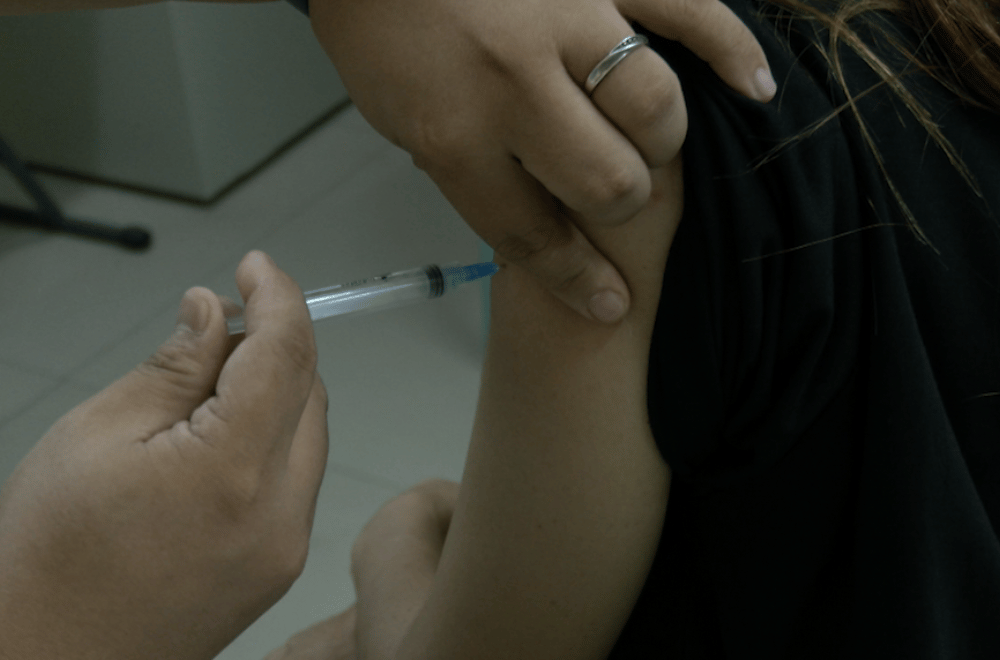
A total of 62,638 animal bite cases were recorded in Region 1 in the first quarter of 2025, with Pangasinan topping the list.
The surge has prompted the Department of Health (DOH) to strengthen its rabies control campaign in partnership with the Department of Agriculture (DA) and the Department of Environment and Natural Resources (DENR).
“Ang paniniwala natin na pinaka-effective na paraan na maiwasan ang rabies sa tao ay kapag nabakunahan ng rabies ang mga animal,” Dr. Rheuel Bobis, spokesperson of the Center for Health Development–Region 1 (CHD-1), said.
Despite the high number of cases, the DOH assured the public that anti-rabies vaccines remain available in Animal Bite and Treatment Centers across the region. The agency is also helping local governments establish their own bite treatment centers.
Bobis said the region already recorded five human rabies deaths this year — all of whom were unvaccinated.
“Meron po tayong limang kaso ng rabies sa region. Unfortunately, lahat sila unvaccinated, at lahat po sila ay namatay,” he said.
In Dagupan, Dr. Daniel Paolo Garcia, officer-in-charge of the city veterinarian office, said misinformation is one of the reasons bite cases are rising.
“Ang nangyayari ngayon, kahit ‘yung simpleng scratch, nagpapa-inject agad sila. Natatakot sila sa nakikita nila sa socmed,” Garcia said.
He added that while it's true that a scratch or bite from a vaccinated house pet isn’t always a serious concern, it’s still best to consult a doctor.
The city has also seen a rise in pet ownership. Before the pandemic, there were around 10,000 to 12,000 pet dogs and cats.
As of May 2025, that number went up to an estimated 15,000 to 18,000.
Health authorities continue to stress the importance of responsible pet ownership and timely vaccination to stop the spread of rabies.