





As HIV cases continue to rise in the Philippines, especially among the youth, a new global development may offer hope in prevention efforts.
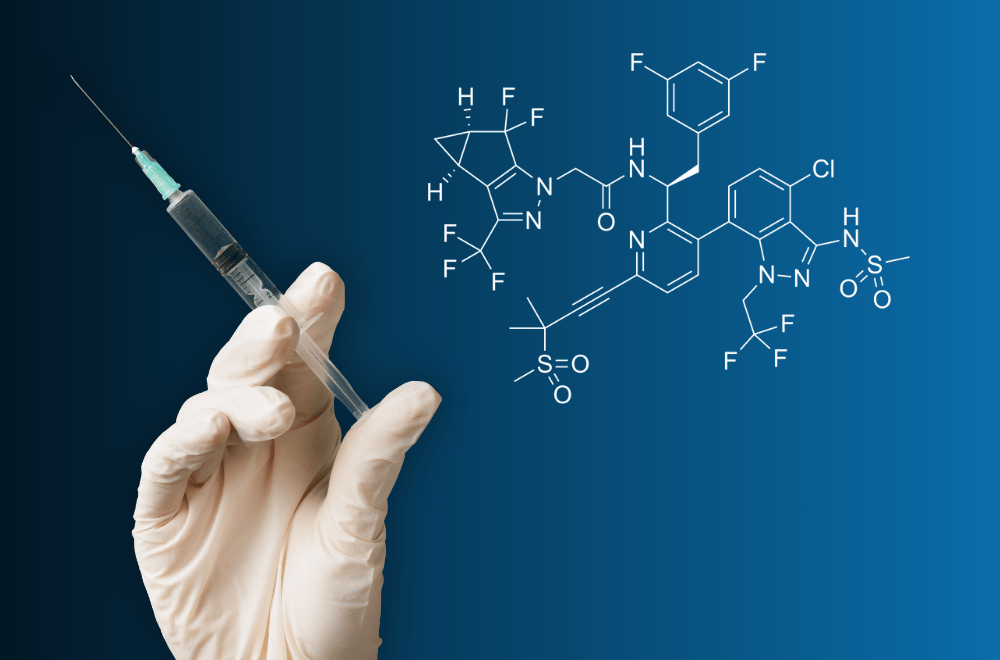
In a report by Reuters, the World Health Organization on July 14, 2025 recommended the use of lenacapavir, a twice-yearly injectable drug developed by Gilead, as an effective tool for HIV prevention.
The recommendation was announced during the International AIDS Conference held in Kigali, Rwanda.
Lenacapavir belongs to a class of medicines known as capsid inhibitors, which target the protein shell of the virus to prevent it from multiplying.
It is administered every six months, offering a long-acting alternative to daily oral pills. This is especially helpful for people who face challenges in daily medication, stigma, or limited access to healthcare.
"While an HIV vaccine remains elusive, lenacapavir is the next best thing," WHO Director-General Tedros Adhanom Ghebreyesus said.
According to the WHO, 1.3 million new HIV infections were recorded globally in 2024 alone. Many of these cases were concentrated among vulnerable groups such as sex workers, people who inject drugs, men who have sex with men, and adolescents.
PHILIPPINE SITUATION
In a report by GMA News Online, the Department of Health (DOH) confirmed that HIV cases in the country have surged, particularly among those aged 15 to 25.
"Five hundred percent increase po tayo ng HIV cases sa mga edad 15 hanggang 25. In fact, ang pinakabatang na-diagnose natin ay batang 12-anyos sa probinsiya ng Palawan," Health Secretary Teodoro Herbosa said in a Facebook video.
The youngest case, so far, is a 13-year-old resident of Palawan.
Local health officials in Palawan confirmed that the 13-year-old became the youngest in the province to contract HIV through sexual transmission.
In a report by JB Juanich for GMA's Super Radyo Palawan DYSP, the City Health Office (CHO) and Amos Tara Community Center warned that HIV cases continue to rise in the province, especially among minors.
According to Regina Villapa, STI/HIV/AIDS Program Coordinator of CHO, 17 HIV cases were recorded among children up to 14 years old in Palawan, as of March 2025.
The youngest was a newborn who contracted the virus through mother-to-child transmission.
Puerto Princesa has the highest number of HIV cases in the MIMAROPA region, with 709 out of Palawan’s total 1,198 cases since 1988.
The RedTop Center at Ospital ng Palawan (ONP) remains the province’s only HIV treatment hub and is serving 1,210 patients.
Despite free HIV testing, health workers said many residents are still hesitant to get tested.
57 NEW CASES DAILY AS OF EARLY 2025
Nationwide, as of March 2025, the Philippines recorded 148,831 total HIV cases.
From January 2025 to March 2025, a total of 5,101 new cases were confirmed. This is up from 3,409 in the same period last year. That means an average of 57 new cases daily.
While the WHO’s lenacapavir recommendation marks a turning point in global HIV prevention, the Philippines remains focused on strengthening access to free testing and treatment across the country.
In a July 15, 2025 post, the DOH urged Filipinos not to fear HIV testing. They said treatment is both available and effective.
“Huwag matakot magpa-HIV test. Kung magpositibo man, may libre at epektibong gamutan para mapanatili ang malusog na pamumuhay,” the post read.
From March 2024 to March 2025, 88 percent of people living with HIV (PLHIV) enrolled in antiretroviral therapy (ART) and who underwent viral load testing were found to be virally suppressed. This is a key marker in achieving the “Undetectable = Untransmittable” status.
ART services are available in HIV care facilities nationwide.
The DOH also continues to promote what it calls the Combination Prevention Method, which includes the use of condoms and lubricants, regular HIV testing, and pre-exposure prophylaxis (PrEP) medication.
AN ATTEMPT TO MOBILIZE WIDER SUPPORT
Herbosa also raised the idea of declaring a national public health emergency for HIV to help mobilize wider support.
"Kaya maganda na magkaroon tayo ng national public health emergency for HIV dahil magtutulong-tulong ang buong lipunan, whole of society and whole of government can help us in this campaign na mapababa ang new cases of HIV," he said.
As prevention and treatment efforts scale up, health authorities remind the public that knowing one’s status remains the first step in protecting both oneself and others.