






The Cagayan de Oro Water District (COWD) on Wednesday, October 1, 2025, clarified that the bacterial contamination in the water, which may have caused the increase in acute gastroenteritis (AGE) cases in the city, came from after-the-meter sources.
COWD made the clarification after the City Health Office (CHO) confirmed that 16 of 19 water samples subjected to testing have returned positive for coliform and fecal coliform bacteria, which are known to cause stomach pain, diarrhea, fever, and vomiting.
Data from CHO showed that more than 100 individuals were admitted to hospitals due to AGE, while over 100 were treated as outpatients. More than 50 people also sought help from health centers.
COWD assured the public that the water it supplies to consumers across the city is clean and tested negative for bacterial contamination.
COWD Board of the Directors Chairman, Dr. Gerry Caño, said their water undergoes daily testing and is accredited under the Philippine National Standards for Drinking Water, with accreditation being checked and renewed annually.
“Ang atong Cagayan de Oro City Water District adunay accreditation sa Philippine National Standard for drinking water ug kini nga accreditation gina-check o gina-renew kini kada-tuig,” Caño said.
Caño explained that COWD’s responsibility covers the distribution line from its pipelines up to the consumer’s water meter (before-the-meter). Water quality in after-the-meter sources, including storage facilities and in-house systems of establishments, becomes the responsibility of the consumer.
He added that the bacteria detected in the water samples subjected to testing by the CHO may have originated from after-the-meter water system in households and establishments such as malls.
CHO earlier said the water samples they tested were collected from población barangays, including from four malls in the downtown area.
“Obligasyon kana sa atong mga konsumante ilabi na sa atong mga establishments sa nagkalain-lain nga malls dinhi sa dakbayan, sa mga hotels, restaurants nga ilang siguruon nga ang tubig nga muagas gikan sa ilang metro paingon sa ilang tagsa-tagsa ka mga gripo kini luwas ug sigurado nga dili makahatag og kadaot,” Caño said.
Caño urged consumers to check the condition of their water lines regularly, noting that substandard pipes are prone to leaks or damage that could expose the water to contamination.
“Naa’y mga prescribed nga mga tubo nga lig-on. Naa sab kita’y nakakita nga mga tubo nga dali lang kayo mabuak mga sub-standard ug kana nga mga tubo dili gyud unta nato na gina-prescribed,” he added.
COWD said that aside from ensuring the safety of the water it supplies, it will also strengthen efforts to educate consumers on how to maintain the cleanliness of their after-the-meter water systems.
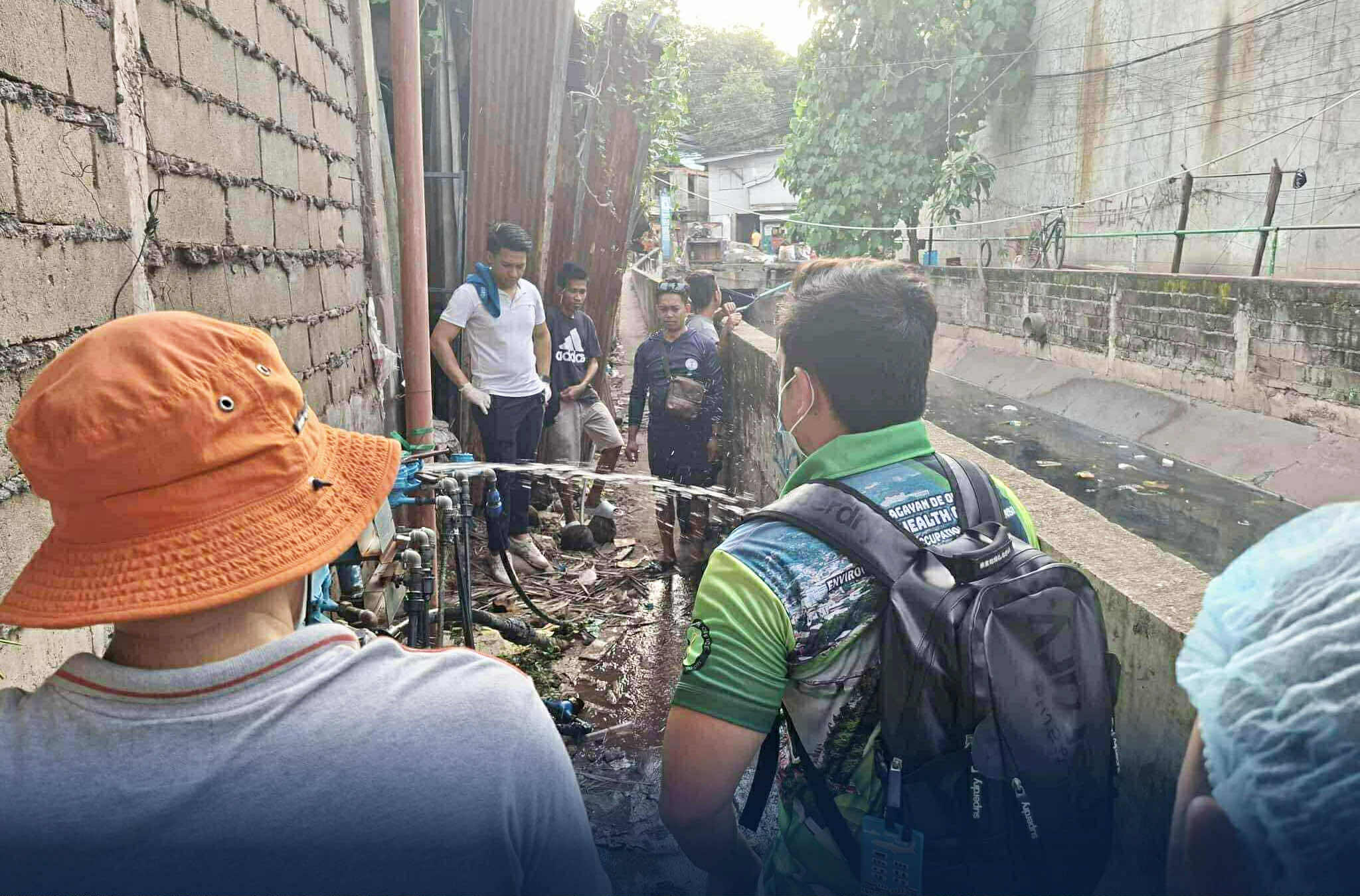
Other measures taken by COWD included flushing of pipelines in identified AGE case locations and conducting shock-dosing of chlorine within permissible safety levels.
Amid the recent rise in AGE cases, COWD advised the public to drink only boiled, treated, or bottled water for added safety, practice frequent handwashing, regularly clean and disinfect household or establishment water storage facilities, and immediately report to COWD any observed mainline leaks or mainlines submerged in drainage canals for appropriate action.