






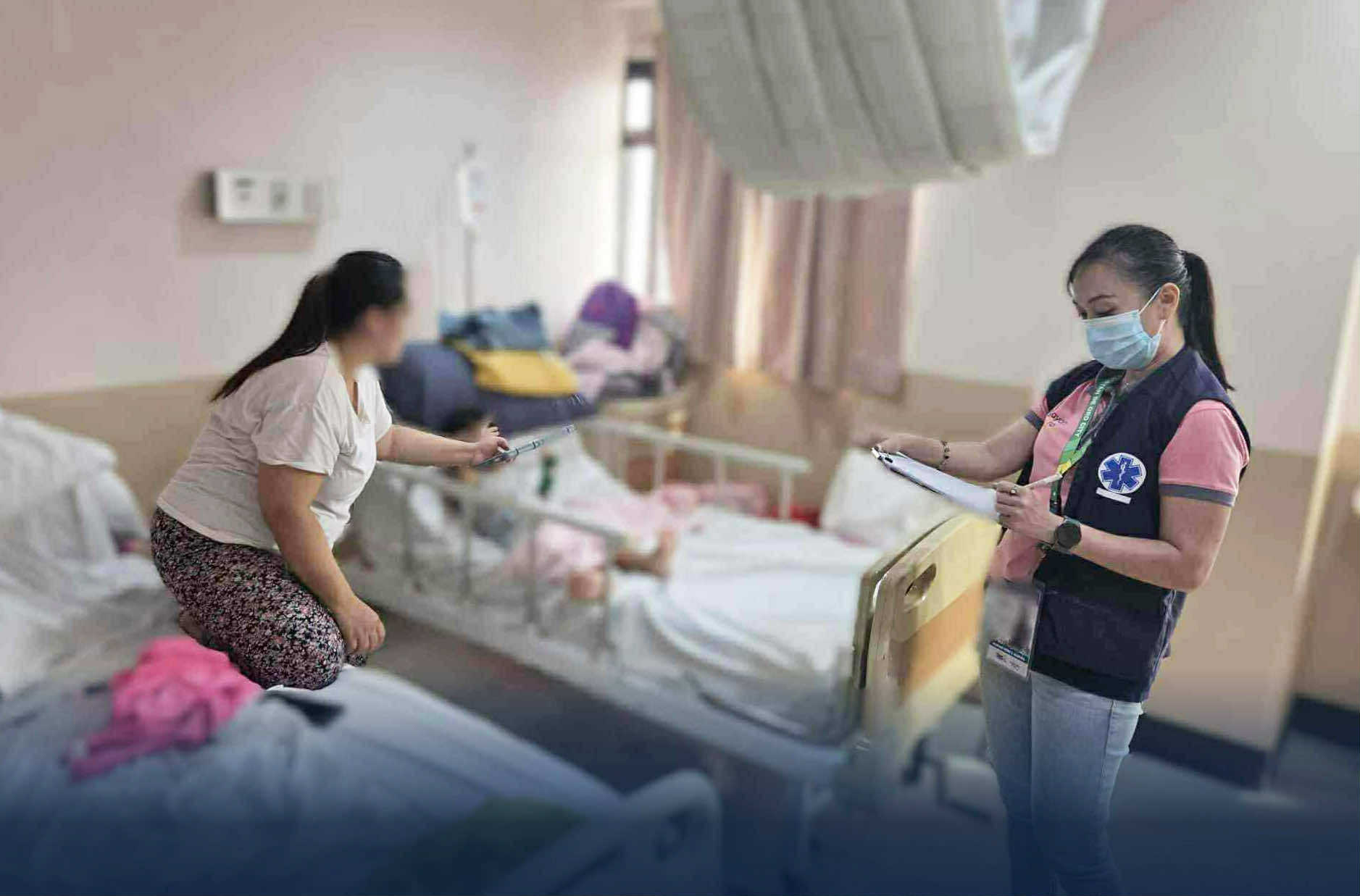
The number of acute gastroenteritis (AGE) cases in Cagayan de Oro City has reached more than 300 in September 2025 alone, according to the City Health Office (CHO).
CHO said this is a significant increase compared to the usual average of 200 cases recorded per year.
However, health authorities clarified that an outbreak has not been declared as only the Department of Health (DOH) can do so.
It can be recalled that reports came out in September that most of the patients had visited establishments in the downtown area prior to experiencing symptoms.
Fortunately, CHO said none of the patients developed severe complications and all have been discharged from hospitals.
CHO said of the 19 water samples collected from establishments and población barangays, 16 tested positive for bacterial contamination.
“Syempre kanang kalibang normal na siya nga physiological nga response sa body whenever naay makasulod nga dili ingon nato nga kontra sa imong body gani iya gyud na gusto ipagawas,” CHO Chief, Dr. Rachel Dilla, said.
To prevent further cases, CHO announced stricter inspections and water system checks in establishments across the city. Additional water testing is scheduled on October 3, 2025 to determine if contamination has persisted.
“Kung permanente na gyud siya then ibalik na nato kay karon wala nato sila gipagamit sa og tubig nga (gikan sa cistern) after that then we will also whatever is the result then we will give them kanang panugot sa pag-gamit na sa ilang tubig,” Dilla added.
Meanwhile, CHO did not rule out the possibility that the contamination may have come from uncollected garbage, though officials clarified that no study has confirmed that it was the reason, as multiple factors may cause water contamination.
“Ang diarrhea is can be caused by anything it could be sa pag-prepare sa imong pagkaon per se wala kayo ka nanghugas sa imong kamot hygiene that’s why atong gina emphasize ang hand washing and also diarrhea can be viral,” Dilla said.
The Cagayan de Oro Water District (COWD) on Wednesday, October 1, 2025, clarified that the bacterial contamination in the water, which may have caused the increase in acute gastroenteritis (AGE) cases in the city, may have originated from after-the-meter sources and not from the main lines.
COWD explained that its responsibility covers the distribution line from its pipelines up to the consumer’s water meter (before-the-meter). Water quality in after-the-meter sources, including storage facilities and in-house systems of establishments, becomes the responsibility of the consumer.
After the incident, COWD said aside from households, it will also conduct daily water sampling tests in establishments to monitor the quality of water.
The water utility also said it will continue to improve its pipelines and urged concessionaires to immediately report leaks to prevent contamination from seeping into the system.
“That’s why we are encouraging all the concessionaires ang tanang publiko nga if ever naa moy makita nga gamay lang nga leakage do report it immediately sa water district para ma-attend nato diretso para ma-avoid ng mag seep in nga contamination,” COWD General Manager, Engr. Edna Najeal, said.