






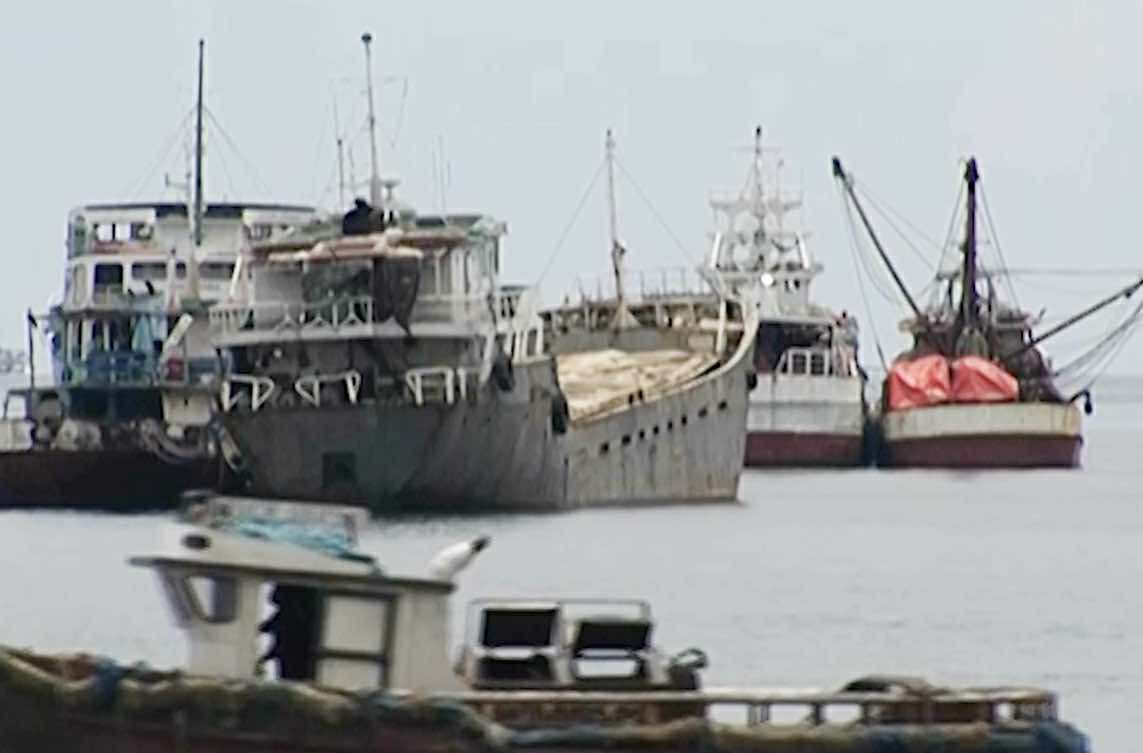
The Bureau of Fisheries and Aquatic Resources-Zamboanga (BFAR-9) has announced the start of the 15th Sardines Closed Fishing Season on Thursday, November 13, 2025.
Last year, the closed fishing season was implemented in the East Sulu Sea, Basilan Strait, and Sibuguey Bay from November 15, 2024, to February 15, 2025.
BFAR-9 said the annual conservation measure prohibits the catching, selling, buying, and transporting of sardines within the declared conservation zones temporarily.
The initiative aims to allow sardine stocks to spawn and regenerate during their peak breeding season, ensuring sustainable fish populations and livelihoods for fisherfolk.
“The continued implementation of the Sardines Closed Fishing Season is proof that conservation and livelihood can go hand in hand,” BFAR-9 Director, Al-Zath Kunting, was quoted as saying.
BFAR-9 added that based on data from the National Stock Assessment Program (NSAP), sardine landings in the region went up by 33.5 percent, from 150.74 million kilos in 2023 to 226.82 million kilos in 2024. The total sardines landed catch from 2018 to 2024 has reached 1.47 billion kilos, highlighting the long-term benefits of the closed season policy.
Kunting lauded the cooperation of enforcement agencies and industry partners for ensuring compliance and successful enforcement of the closed fishing season.
“We commend the support of the Department of Agriculture, local government units, the PNP Regional Maritime Group, Philippine Coast Guard, Philippine Navy, Academe and all stakeholders who continuously work hand in hand with BFAR IX in ensuring full compliance with the closed season,” Kunting added.
BFAR-9 added that the three-month moratorium will also allow local governments and partner agencies to implement alternative livelihood programs for affected fisherfolk and to continue promoting responsible fishing and marine resource conservation.
“Since its first implementation in 2011, the Sardines Closed Fishing Season has been recognized as one of the most successful fisheries management programs in the country. It has become a model of effective policy enforcement that balances ecological preservation with economic stability,” BFAR-9 said.