





The Bangsamoro Transition Authority (BTA) has expressed confidence that the first parliamentary elections in the Bangsamoro Autonomous Region in Muslim Mindanao (BARMM) will be “legally compliant” as public consultations on the region’s districting bills ended on Friday, December 12, 2025.
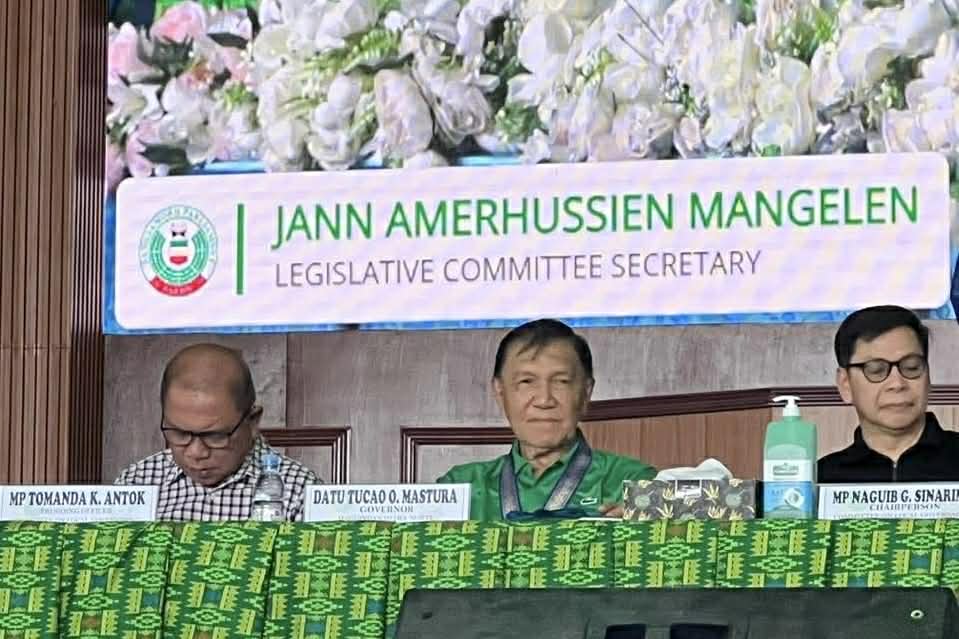
According to Member of Parliament Naguib Sinarimbo, the public consultations on Parliament Bills 403, 407, 408, 411, 415, and 416 aimed to ensure that all legal requirements for the BARMM polls.
BTA said Parliament Bill Nos. 403, 407, 408, 411, and 415 seek to create 32 districts, and PB 416 proposes two districts for the Special Geographic Area (SGA).
The first BARMM election is set on March 30, 2026, after the polls set originally for October 13, 2025 was postponed due to the Supreme Court ruling declaring the districting laws, Bangsamoro Autonomy Acts 58 and 77, unconstitutional.
"Without a valid districting law, the region cannot elect its 32 district representatives, an important component of the 80-member Bangsamoro Parliament, which will also include 40 political party representatives and eight sectoral representatives," BTA said.
During the consultations, the districting bills underwent scrutiny from all stakeholders whose concerns included adjustments of town clusters in Tawi-Tawi and Basilan, and in certain areas in Lanao del Sur.
The public consultations started in Tawi-Tawi, Basilan, and the SGA in November and moved to Lanao del Sur on December 7, Cotabato City on December 8, and Maguindanao del Sur on December 10.
The public consultation concluded in Maguindanao del Norte on Friday, December 12.
Sinarimbo reported that the number of participants exceeded their expectations, making it one of the most widely attended public consultation initiatives during the Bangsamoro transition period.
BTA officials added that those who attended exchanged views with lawmakers on proposed district boundaries, population representation, and seat allocation under the future parliamentary setup.
Participants also raised concerns regarding minority representation, geographic contiguity, and the alignment of districts with prevailing social and economic conditions.
BTA assured that all inputs from the public consultations will be consolidated in refining the bills.
BTA officials also emphasized that the public consultations were not mere formality but a critical step in ensuring transparency and inclusivity and strengthening the legal and democratic legitimacy of the districting law.
Sinarimbo added that the result of the public consultations would help ensure that the final districting arrangements represents BARMM’s diverse communities fairly.