






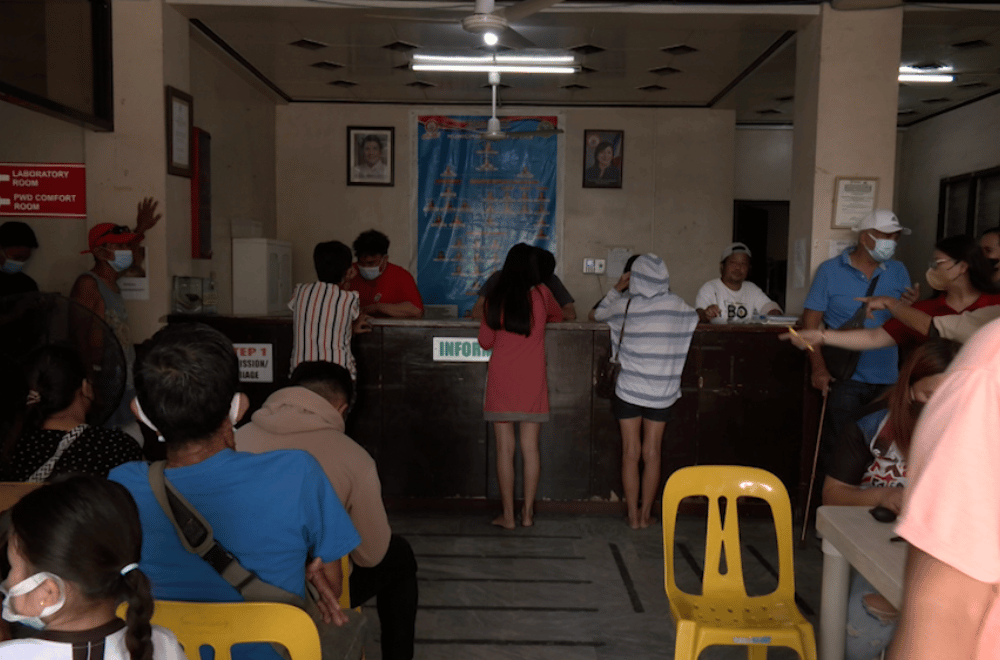
Health authorities in Region 1 have assured the public that there are still no recorded cases of “super flu” in the area, as of this writing, despite growing concern among parents as children report flu-like symptoms amid changing weather conditions.
In Mangaldan, Pangasinan, a Grade 4 pupil named Luigi skipped school after several days of coughing and colds. He also developed a fever the night before and was brought to the health center by his grandmother for consultation.
“Ubo, sipon at lagnat baka mahawaan na rin ang iba tsaka nahihirapan na rin siya huminga,” Mary Grace Ramos, Luigi’s grandmother, said.
Similar concerns were raised by another parent after her children showed symptoms. Rachelle Erpello brought her nine-month-old baby and her two-year-old child to the health center after both developed cough, colds, and fever.
“Ipapa-check ko na sila kasi ’yung anak ko na lalaki nahihirapan nang huminga,” Erpello said.
The Center for Health Development Region 1 (CHD-1) clarified that there are still no confirmed cases of super flu in the region. In 2025, the region recorded 12,826 influenza-like illness cases, lower by 7.8 percent compared to 13,911 cases in 2024.
Health officials explained that super flu is a variant of the influenza A (H3N2) virus. It is considered a seasonal flu that tends to spread faster during weather changes and has higher transmission compared to other influenza-like illnesses.
Dr. Rheuel Bobis, spokesperson of CHD-1, stressed the importance of following health protocols.
“Mas madaling kumalat o mag-spread ang super flu kaysa doon sa ordinaryong trangkaso, kaya ang sinasabi natin sa DOH na ugaliin natin na ’yung minimum public health standard ay i-practice natin kasi malaki ang maitutulong non sa proteksyon natin,” Bobis said.
Health officials said senior citizens, children, pregnant women, and people with underlying conditions such as diabetes, heart disease, asthma, and kidney disease are among the high-risk groups.
CHD-1 said flu vaccines are available, with priority given to senior citizens and other high-risk individuals. The agency also advised the public to strengthen their immune system, wear masks in public places, and remain cautious to avoid the spread of flu-related illnesses.