






Dengue cases in Region 1 increased by 11 percent in 2025 compared with the previous year, health officials said, as authorities continue to monitor trends and urge the public to step up prevention efforts.
The Center for Health Development in Region 1 recorded 14,787 dengue cases in 2025, up from 13,241 cases in 2024, with the highest number of infections reported between June and November, a period marked by heavy rains and flooding.
Despite dengue being present year-round, health officials said they do not see a surge in cases in the first quarter of 2026, unless weather disturbances bring sustained rainfall.
“Unless may mga weather disturbance na mangyayari ngayong first quarter na magdadala ng pag-ulan at maaaring magkaroon ng tsansa ang mga lamok na makapag breed ng marami, pero historically ang ating kaso ay tumataas kapag pumasok na ang tag-ulan,” Dr. Rheuel Bobis, spokesperson for CHD-1, said.
Schools in Pangasinan have intensified cleaning and sanitation efforts to reduce mosquito breeding sites. At Anolid Elementary School in Mangaldan, janitors conduct early morning and afternoon cleanups, including clearing nearby canals and creeks.
“’Yung mga janitor namin alas singko palang naglilinis na diretso ‘yan hanggang sa umaga at hapon,” Master Teacher Jean Cuison said.
Teachers have also reminded students to take precautions against mosquito bites. Cuison said their school has not recorded dengue cases this year but had one infection among students last year.
“Ngayong taon wala kaming kaso pero last year may isa akong estudyante na na-dengue,” she said.
Health authorities continue to remind the public to seek medical attention if dengue symptoms appear, including fever, severe headache, pain behind the eyes, muscle and joint pain, dizziness, vomiting, swollen lymph nodes, and skin rashes.
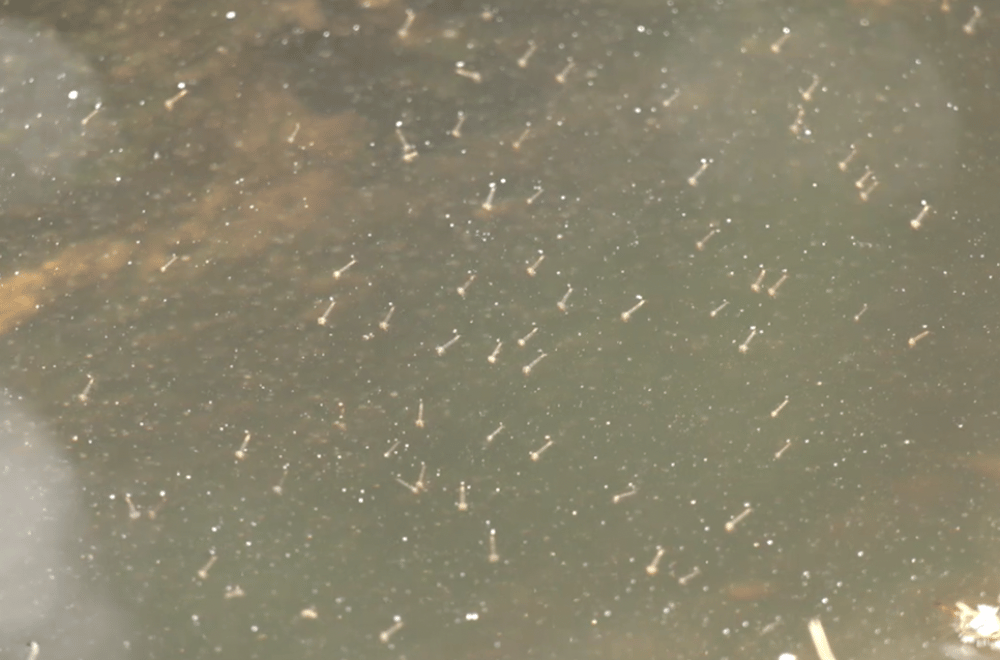
Officials also urged households to regularly clean their surroundings to prevent stagnant water from becoming mosquito breeding grounds.