






Corn farmers in Pangasinan are starting to worry about rising costs as oil prices continue to increase, even as their crops approach harvest.
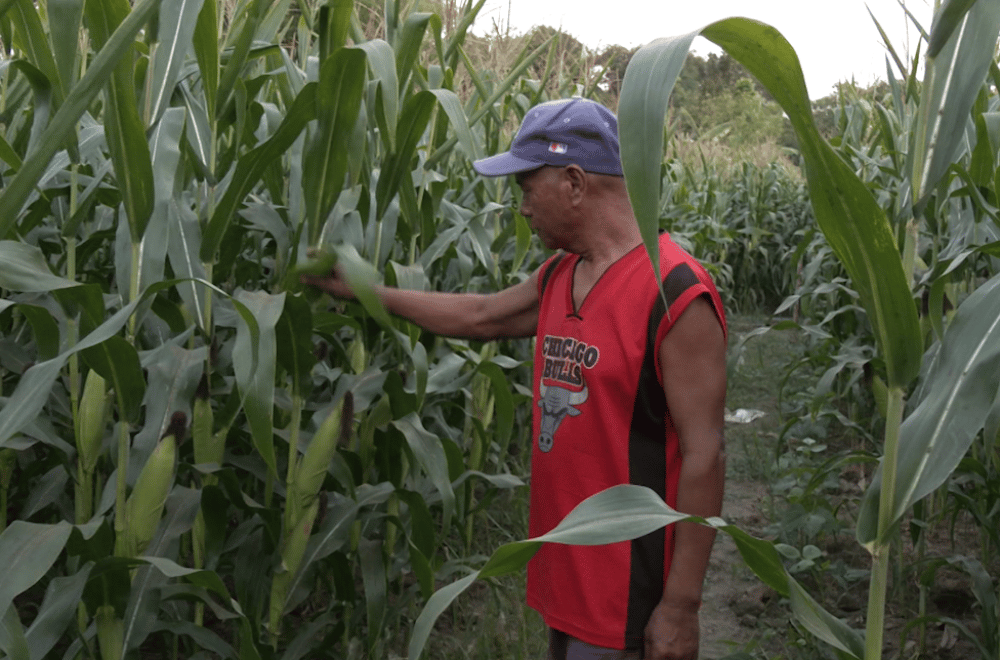
In Barangay Osmeña in Basista, Alex Catchillar, a farmer, tends to nearly two hectares of hybrid yellow corn, which he expects to harvest in the first week of April 2026.
Catchillar said proper irrigation and fertilization are key to maintaining the crop, while pests are less of a problem because the hybrid seeds already contain treatment.
“Tamang patubig saka pag-aabono. Sa mga insekto, wala naman gaano sa mga hybrid kasi nakahalo na yung gamot niya sa binhi,” he said.
But the farmer said production costs remain high due to the rising prices of seeds and fertilizers.
Data from the Samahang Industriya ng Agrikultura (SINAG) showed that the current farm gate price of yellow corn ranges from P18 to P20 per kilogram for dried corn and P14 to P16 per kilogram for wet corn.
While prices remain acceptable for now, corn farmers fear they may fall once the harvest season begins.
“Ang problema, habang mayroon nang maaani, ganoon namang bumababa ang presyo kaya sana tuloy-tuloy pa rin yung presyo ngayon,” Catchillar said.
According to SINAG Chairperson Rosendo So, farm gate prices may drop in the coming weeks as more farmers shift to corn planting.
“Marami kasing nagtanim ng corn. Last year, bumaba ‘yung presyo ng palay so maraming nagtanim ng corn ngayon,” So said.
Farmers are also dealing with higher expenses linked to rising fuel prices, which affect the cost of transporting produce and operating farm equipment.
The Department of Agriculture has already released about P100 million worth of fuel subsidies for farmers and fisherfolk.
According to Arnel de Mesa, assistant secretary of the agriculture department, registered farmers may receive up to P5,000 each through the program.
Once released, farmers can use fuel subsidy cards at gasoline stations, while those in remote areas will receive vouchers instead.
The government is prepared to provide more fuel subsidies if oil prices continue to rise due to the ongoing conflict in the Middle East, De Mesa said.