






With effects of the fuel crisis felt across industries, a business leader in Cebu said any move to increase the minimum wage must come after careful study.
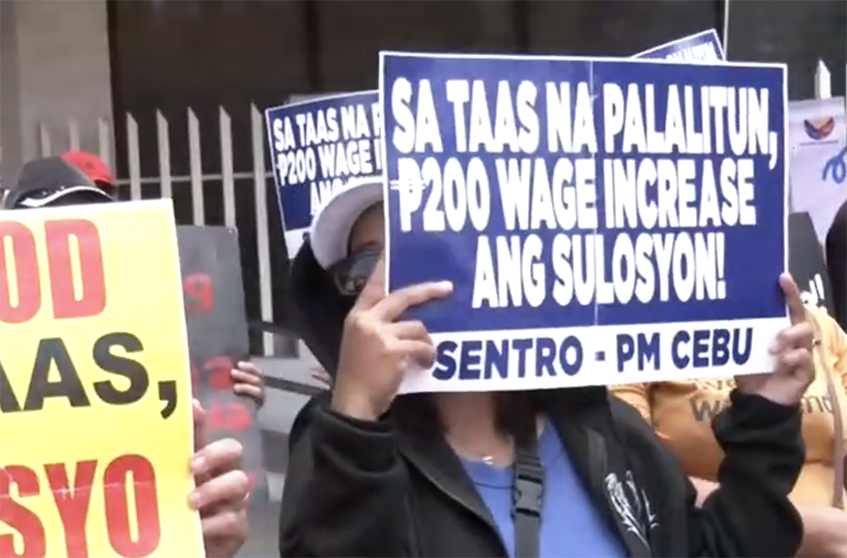
Labor groups have called for an increase in the daily minimum wage as prices of fuel skyrocketed in recent weeks due to the tensions in the Middle East.
And with an end to the crisis still nowhere in sight as of this writing, concerns have surfaced that the oil price hikes may eventually affect the cost of basic commodities.
The government, for one, is forced to provide aid to the transport sector to subsidize the cost of fuel, which has forced several drivers and operators to stop hitting the streets.
Bambi Gothong, President of the Mandaue Chamber of Commerce and Industry (MCCI) in Cebu, said increases in daily wage, if too high, may also affect the operations of businesses, especially small businesses.
The right balance must be achieved, she said.
“Of course, we also understand the plight of the workers but, at the same time, we also have to look at the business sector also… there should be a balance. If it’s too high, then some businesses will close down. That’s the easiest thing for them to do ba… we do not want that to happen also,” Gothong said.
Gothong said all parties concerned must come together to talk about the implications of a wage hike.
“We really have to sit down and talk with the all the parties where we can find a balance, timbang-timbangon,” she added.
In Cebu, labor groups went to the streets for a rally and asked the Regional Tripartite Wages and Productivity Board (RTWPB) to increase the minimum wage.
Earlier, the Department of Trade and Industry (DTI) in the Philippines said the prices of basic consumer goods have remained steady but might start rising in the second half of April 2026.