






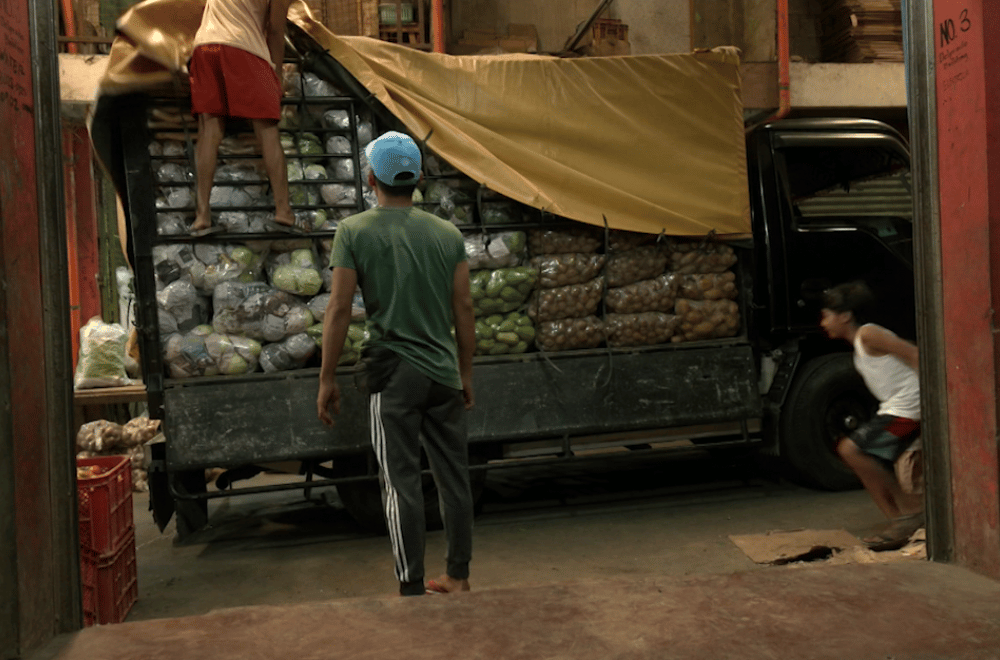
Vegetable traders and truckers moving highland produce from Benguet to Pangasinan are feeling the pressure of rising fuel prices, as transport costs continue to eat into already thin margins.
Drivers said they cannot simply raise vegetable prices to cover diesel costs, as higher retail prices would also reduce demand and lead to losses.
Dexter Becte, president of the Baguio–Benguet Trucker and Traders Association, said fuel costs have sharply increased operational expenses, forcing traders into difficult choices.
“Ang dating diesel ko in liter 1,200 kasi noong tumaas ng hundred plus, magiging 3,000 plus na, 3,600. Ang gagain ko sa 2 plus na iyon sana ang kita mo. Ipapatong mo rin sa gulay para ma break even. Pero hindi naman kakayanin ng mamimili. Kaya ang mangyayari, ibabalik na lang sa iyo. Ikaw na lang ang magpapalugi,” he said.
He added that in some cases, it is no longer practical for traders to continue daily trips if losses continue.
“Kapag binaba mo dito, pag hindi rin nabili… kung bumili ng sampung piso, tapos ang mga bumabyahe sa ibang lugar, iyong diesel nila mas mataas kaysa sa kukunin nilang gulay dito. Eh di huwag na silang bumyahe, kung malulugi sila ng isang libo, dalawang libo. Ibibili na lang nila ng bigas. Huwag na silang magbiyahe,” he said.
Despite fewer trips from Benguet and reduced deliveries of lowland vegetables to trading centers, traders said supply remains sufficient in markets.
Some vegetable prices have also dropped due to steady supply.
Eggplant prices have fallen to P15 per kilo from P60, okra to P40–P45 from P80, chili peppers to P50 from P70, and bitter gourd to P50 from P70 pesos.
Vendor Jun Calbadores said deliveries have become less frequent, affecting daily income.
“Bihira iyong dating ng biyahero. Imbes na araw-araw, dalawang beses na lang sa isang linggo ang biyahe. Hindi naman po palugi, kaya lang minsan siyempre baka sakali kung minsan kumikita rin kahit paano kaya lang malayo sa dati,” he said.
Traders said they understand the situation of transport operators but warned that sustained high fuel costs could further reduce vegetable movement from upland farms to lowland markets.