






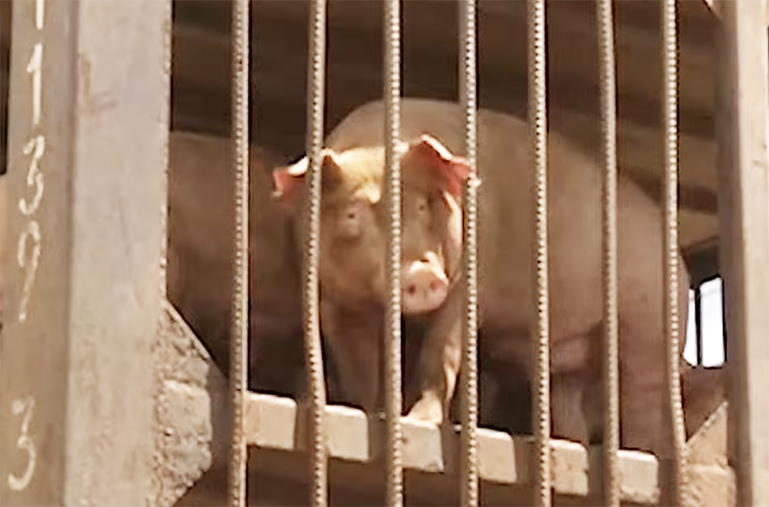
The provincial governments of Bohol and Cebu have imposed a temporary ban on the entry of live pigs, pork, and pork products from Negros Island and other areas affected by the African swine fever (ASF).
In Bohol, Governor Aris Aumentado issued an executive order on July 3, 2026, imposing a 60-day temporary ban on the entry of live pigs, pork, and pork products from Negros Island to prevent the spread of ASF into the province.
Based on the order, veterinary quarantine checkpoints, border inspections, and coordination among local government units must be strengthened to help prevent the entry and spread of ASF.
Aumentado urged traders, transporters, meat vendors, and the public to support the provincial government's measures to keep Bohol free from ASF.
“Magtinabangay kita sa pagpugong nga mokatag ang maong sakit sa atong probinsya ug mosunod kita sa mga palisiya alang sa kaayohan sa katawhang Bol-anon,” Aumentado said.
Meanwhile, Cebu Governor Pamela Baricuatro also issued an executive order on July 7, 2026 prohibiting the entry of live hogs, fresh pork, and processed pork products from ASF-affected areas for 45 days.
The measure aimed to protect the province’s hog industry and ensure food security.
The order was issued following reported ASF outbreaks in Negros Island and other areas in the Visayas.
According to the order, Cebu remains free from the disease based on surveillance findings confirmed by the Department of Agriculture (DA) and the Bureau of Animal Industry (BAI).
"Cebu remains ASF-free, and we need to protect the province's P20-billion hog industry," Provincial Veterinarian, Dr. Mary Rose Vincoy, said.
Based on the order, hog raisers and other stakeholders were are also mandated to implement stricter biosecurity protocols, including restricting farm access to authorized personnel, conducting regular disinfection of vehicles
The directive also mandates hog raisers and other stakeholders to implement stricter biosecurity protocols.
These protocols include restricting farm access to authorized personnel, conducting regular disinfection of vehicles, equipment, and footwear used in farm activities, and adhering to regulations on the transport and movement of animals and pork products.
The Cebu Port Authority, Philippine Coast Guard, police, and concerned local government units were tasked to enforce the ban strictly at all seaports, airports, and land entry points, and confiscate prohibited shipments and impose penalties under existing laws.
During a meeting with hog raisers, Baricuatro was informed of alleged illegal hog shipments being transported through ports during nighttime and early morning hours.
The reports said that the movement of hogs was being carried out through smaller ports in the towns of Ronda, Santander, Dumanjug, and Tabuelan.
"We need urgent action here. Sampolan nato na sila,” Baricuatro said.
The Provincial Veterinary Office was also directed to continue surveillance, laboratory testing, and monitoring for the early detection of ASF in coordination with city and municipal veterinarians.
"This decision balances disease prevention efforts while considering the economic importance of the hog industry," Vincoy added.