






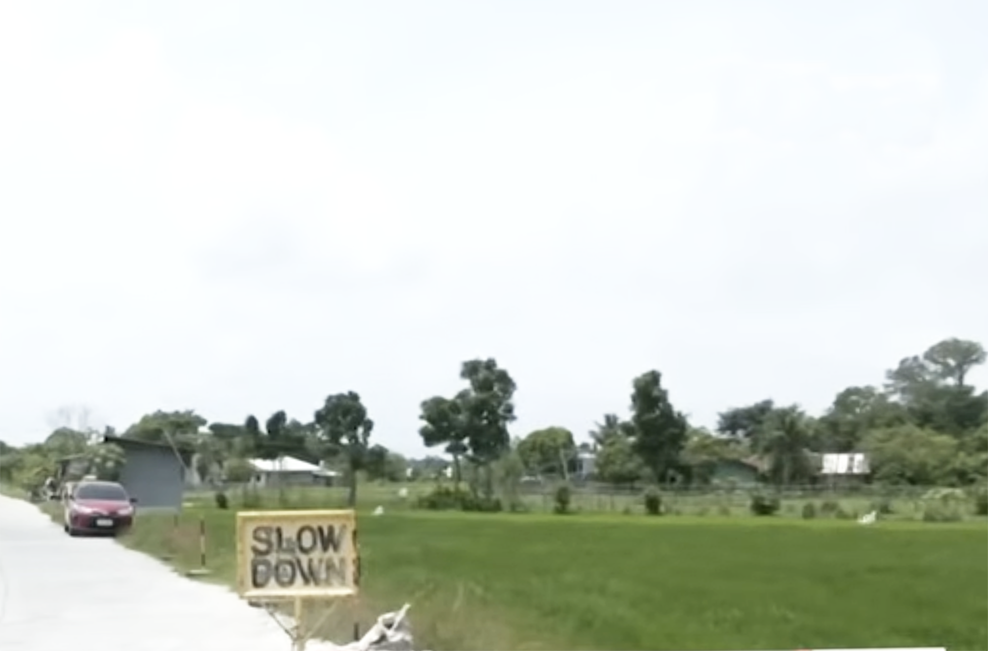
The Norwegian company that wanted to build an Artificial Intelligence (AI) data center in the town of Oton in Iloilo has withdrawn its proposal.
This was confirmed by Oton Vice Mayor Jose Neil Olivares.
The company, represented by Daniel Stefan Robertsen, sent a letter to the municipal council on August 16, 2026 expressing its intention to withdraw the proposal.
The letter reads in full:
Dear Sir/Madam,
We hereby formally withdraw the proposed data centre project in Oton, Iloilo.
Following our assessment of the project and the current circumstances, we have decided not to proceed with further development of the project in Oton.
We appreciate the time and consideration given by the Municipality and the relevant stakeholders during the discussions regarding the proposed project.
Please consider this letter as our formal notice that the project has been withdrawn.
Kind regards,
Daniel Stefan Robertsen, For and on behalf of the project proponent
The letter came two days after Robertsen walked out of the public hearing on the project last August 14.
The public hearing was part of the consultation phase. It was organized, especially that about 20 farmers and farm owners, as well as their houses and lands, are expected to be affected by the project.
The data center would have occupied 10 hectares of land spanning two barangays. Eight hectares belong to Barangay Abilay Sur while two hectares belong to Barangay Lambuyaw.
Marites Eusoya, barangay captain of Abilay Sur, said what they would have wanted to see was the project's site development plan so they would know what structures would be built and what these structures would be for.
The Council itself has had two committee hearings on the proposal to look at environmental impact, the possible effect on the town’s supply of water and electricity, as well as zoning.
The data center would have reportedly required 50 megawatts of electricity to run.
It was in May in 2026 when the Norwegian company proposed the project to Oton, saying it could generate more jobs, businesses, more reliable digital services.
Had the town agreed, the project would have started by end of 2026.
PAX SILICA
Concerns on the possible impacts of the AI data center may have also stemmed from concerns raised by those who oppose the controversial Pax Silica project in Tarlac, the US-led initiative and economic security framework that hopes to create a global supply chain for AI and the semiconductor industry.
The Philippines is among the 24 countries that signed the agreement.
No less than President Ferdinand Marcos, Jr. highlighted and defended the project during his fifth State of the Nation Address in July 2026.
The proposed industrial hub will span 1,600 hectares in New Clark City in Tarlac.
Authorities have said the project aims to process the country’s critical minerals and to make high-tech components for AI and semiconductors.
Three industries are expected to create jobs because of Pax Silica, that will add to the country's income and tax collection, namely: AI processing, chip manufacturing, and mining, the GMA News Online report said.
But several groups have raised concerns about the project’s possible impact, particularly on the environment and the people living in the area.
The project reportedly could have negative effects on the environment because AI facilities require massive amounts of water and electricity.
AI facilities reportedly have cooling systems that, in some large centers, use up to five million gallons of water every day.
The Kalikasan group also said the facility may cause noise pollution, which could disturb local wildlife such as birds.