

Travel, food, health, fashion, beauty, and more Lifestyle stories you love.

Travel, food, health, fashion, beauty, and more Lifestyle stories you love.
Ann Dumaliang of Masungi Georeserve shares a glimpse into the life of conservationists and what the future holds for geotourism in the Philippines
By Hazel Jane Cruz
Images by Gerlyn Mae Mariano
Without a doubt, the Philippines is one of the most beautiful countries in the world — thanks to its rich biodiversity, unique culture, and beautiful traditions.
The country is famous for its beautiful beaches, pristine islands, and distinct landscape, which attract millions of tourists from all over the world. But beyond the turquoise waters and fine white sand beaches, the natural landscape of the Philippines is slowly eroding.
According to the Climate Change Commission, the Philippines lost 1.42 million hectares of forest cover from 2001 to 2022. This accounts for 7.6 percent decrease from the total estimated 18.68 million hectares of forest cover.
There are, however, patches of forests that remain thriving in various parts of the country. In Rizal, there’s a nature preserve that is not only popular to local tourists but a model in environmental sustainability.
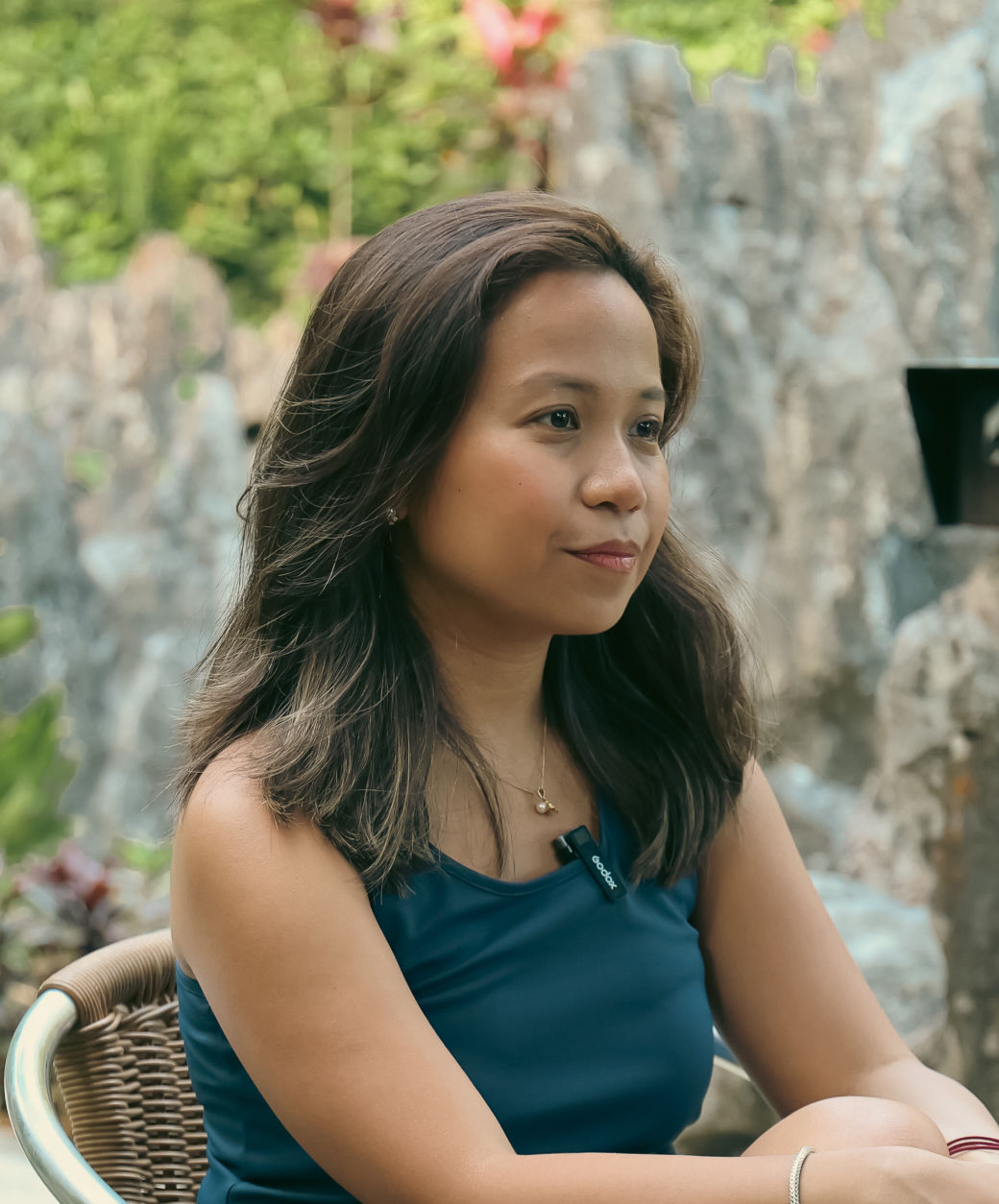
One of the people who protect this landscape called Masungi Georeserve, is managing trustee Ann Dumaliang, who has devoted her life to geotourism to preserve nature and promote sustainability.
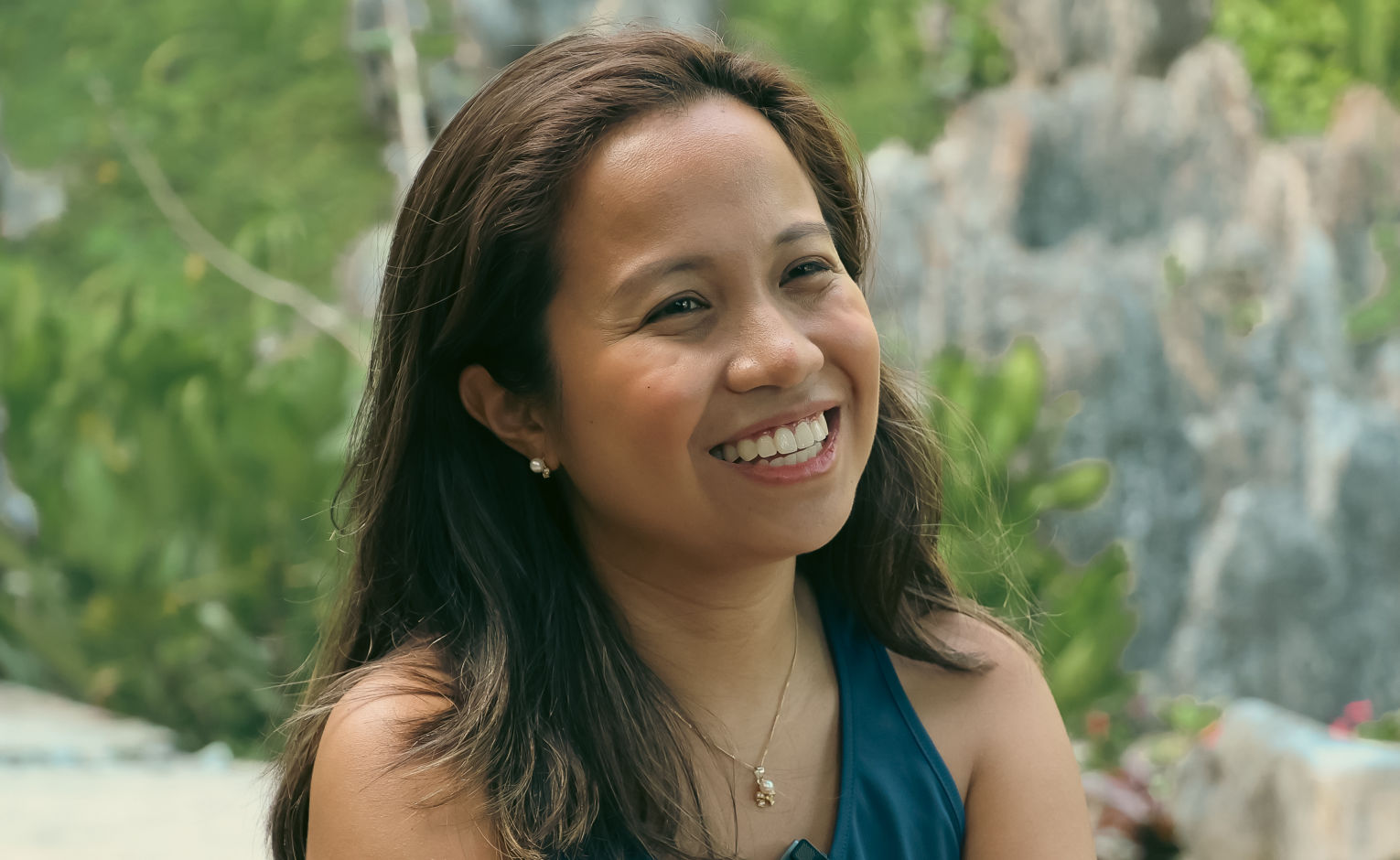
In an interview with GMA Lifestyle, Ann said she felt a connection with nature when she was as young as seven years old.
“I wouldn’t say there’s a particular turning point (when I realized I wanted to take on this journey); it’s more that my sister and I grew up with this landscape from when we were very young. So as early as when we were seven years old, we’ve already been immersed in here and getting to know the place,” Ann said.
Ann and her sister Billie were named as one of the Next Generation Leaders by Time Magazine in 2024 for their work in Masungi.
Although Ann could not pinpoint the exact moment she told herself she wanted to pursue this field, she recalled a significant event a year after her graduation that led her to geotourism, “If there’s one moment that’s close to being a cathartic moment, it would have been a year after graduating, standing on top of these mountains and realizing that the space between Masungi and the city skyline [does] not have the mountains anymore that we used to see there. That made it very clear that, you know, destruction is coming, right? That we have to do more; that we have to protect this place for a long time.”
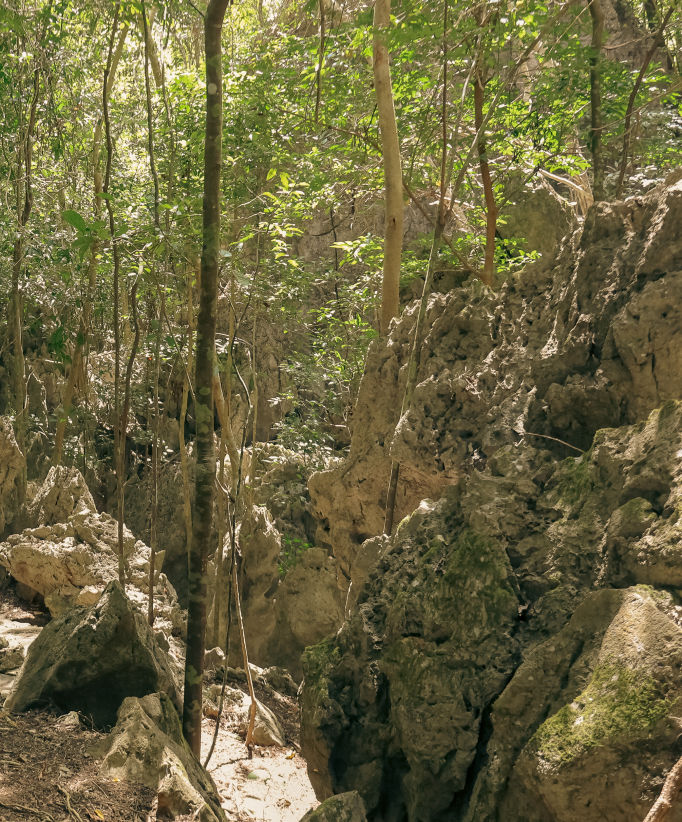
For over 10 years, Ann dedicated her time to protecting Masungi Georeserve, a conservation area and a rustic rock garden tucked in the rainforests of Rizal. It features sprawling limestone landscapes where visitors can reconnect with nature and see the different wildlife and plant species.
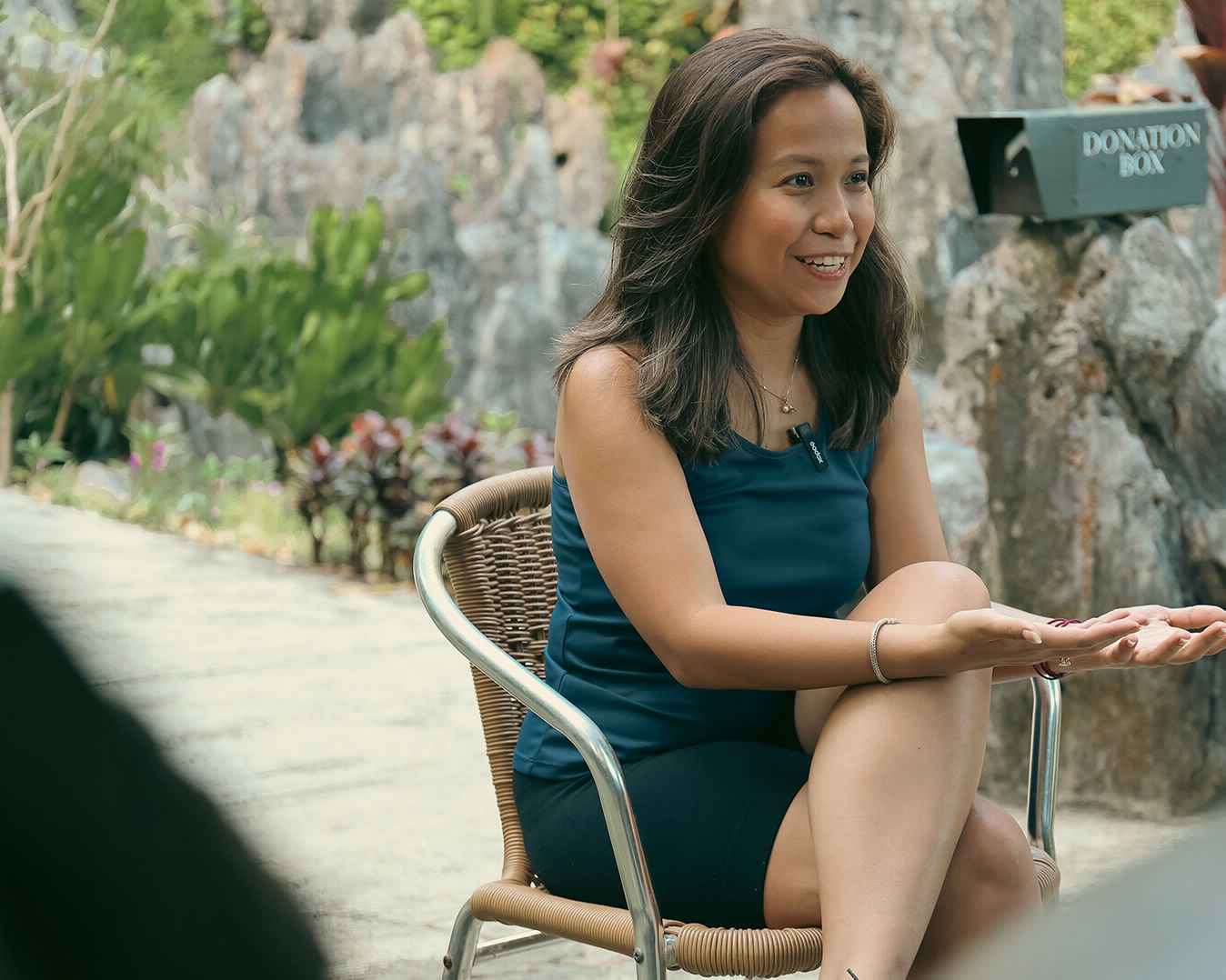
To ensure that Masungi Georeserve remains sustainable, Ann shared three principles that she adheres to aside from the “typical principles around sustainability” like paying attention to waste management, properly choosing materials to use, following circularity, and developing the intent of delivering an experience.
“One is that it should talk about the geographical character of the place. That means, putting out the geographical nature of the location [and] weaving in how it impacts biodiversity and the culture of the area to create a unique sense of identity that people could get to know and be proud of,” explained Ann.
She added, “Two would be our approach in quality over quantity. In sensitive sites, there are carrying capacities and limitations to move, and that guides the kinds of experiences that we run — how many people get to go inside Masungi at the time and the value that needs to be delivered. [...] Our approach is to deliver transformative experiences that, yes, we may be priced at a higher price point, [but] that [enables] us to maintain such a huge landscape that still makes it accessible for people to learn about.”
Lastly, Ann noted that, in Masungi, they give importance to the local community.
“[We need] to be supportive of the local community in [the] area. So, when it comes to who you give opportunities to, the kinds of training that you deliver, and when it comes to forming them as environment stewards mainly stay in Masungi before we move outside,” Ann told In Focus.
While Masungi Georeserve is “healing” to its staff and the guests that visit it, managing it still means endless paperwork, non stop meetings, and constantly protecting the reserve from groups that try to harm it — things that sometimes take a toll on Ann.
According to Ann, her typical day as the nature preserve’s managing trustee starts at 6:30 a.m., welcomed with desk work in the first half of the day, followed by “giving instructions [and] checking on everyone else in the afternoon.”
When asked about her work, Ann huffed a laugh and said, “Oh, my goodness! Magulo (it’s messy)! Magulo, magulo, to be honest. The wonderful thing is there’s a variety of things to do, so it’s never one or the other. On some days, it’s a lot of checking on operations, some other days it’s focused on advocacy work.”
Although grounded in pure intent and a genuine heart to serve Masungi, Ann admitted to having intense challenges that sometimes takes over the healing power of the area.
“On some days, I’m gonna be honest, [the workload] does overpower it. The stressors could be so intense, especially when the people you grew up with and cared for, the plants [...] are shot in the reforestation site. When there’s information spread about the project that came from a very pure and genuine intent to protect and when you’re harassed, in general, [...] so there are days when it does feel like sana mag-sleep in na lang ako (I wish I could just sleep in),” Ann admitted.
But despite it all, she just focuses on her mission and remains anchored on what really matters: saving Masungi. She said, “You know, seeing the landscapes and how it has changed people, and how it’s given people hope on what the country could be, that’s a much more fulfilling and inspiring experience than all of those challenges. I really genuinely believe that for all the [difficulties] that we faced, what it’s actually done, it’s brought us closer to the best of humanity and the best of people we could be.”
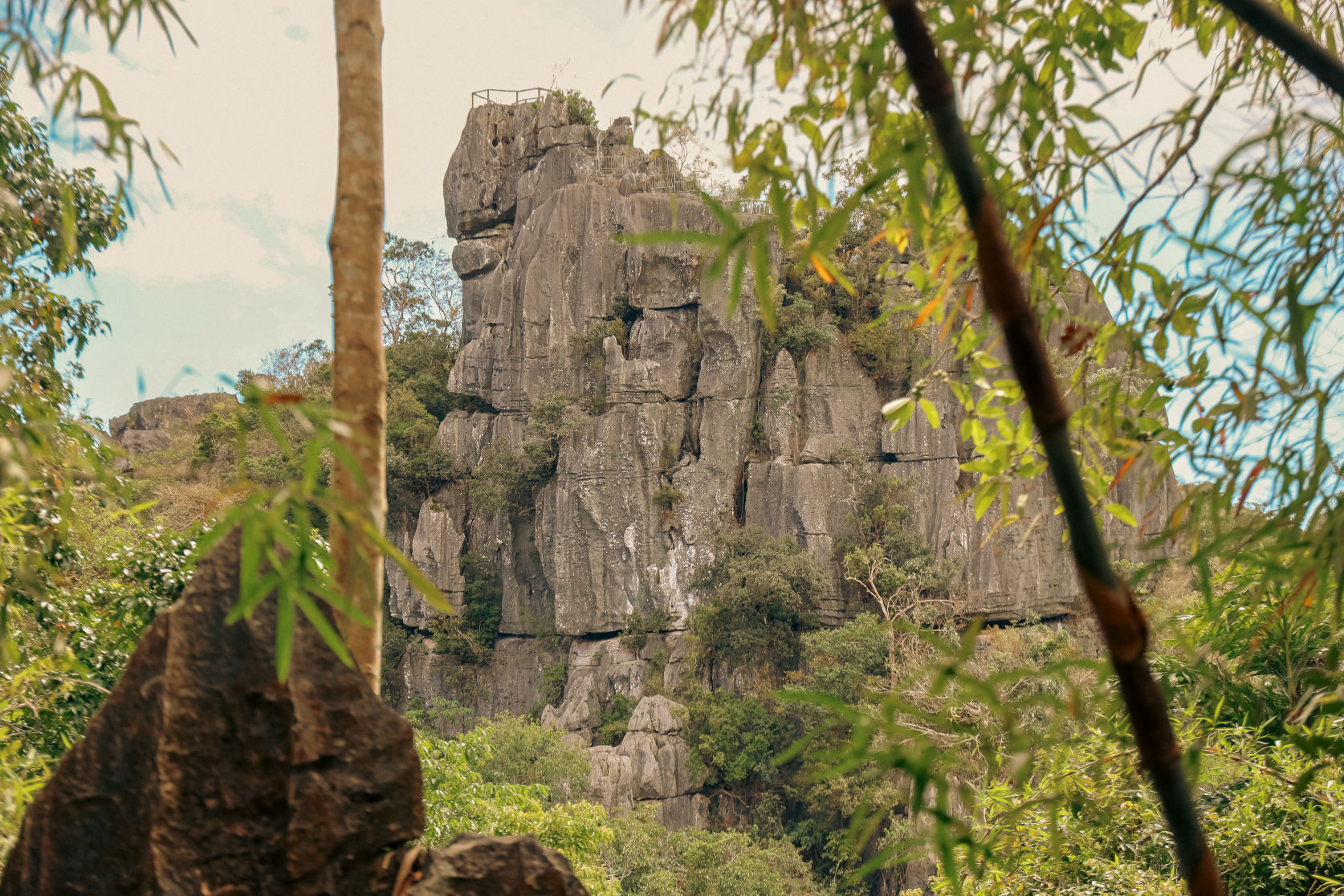
To ensure that her Masungi work does not go to waste, Ann immerses herself outside the beauty of Rizal and engages in global conventions that give platforms to people who want to take on the “world’s most pressing issues”.
She talked about her being a National Geographic Explorer, which she described as an opportunity where she gained “better consciousness of moving around landscape”.
“The National Geographic Explorer, it’s interesting, to be honest. That’s how I gained [a] better consciousness of moving around the landscape. We didn’t start with tourism; we started with having a relationship with the place, understanding the place and getting to know it even from a scientific perspective. And that’s really changed — not just changed — but influenced the ways we do things inside Masungi and I think that’s grounding that everyone needs to have if you’re pursuing any form of sustainability…” said Ann.
Aside from the learnings, Ann also noted that she appreciates the opportunity to work with people as an Ashoka Fellow from different fields who contribute to her growing sense of preservation. And just recently, Ann also joined the World Economic Forum in Davos that brought together the greatest minds today, from top leaders and practitioners, to government officials, to resolve world issues.
She even called it an “intense space to belong to when it comes to making an impact”.
The convention is more than just a venue for world leaders because for Ann and the rest of the attendees, it meant endless forums, hourly meetings, banking and insurance conversations, talks about indigenous and ancestral wisdom, and many more.
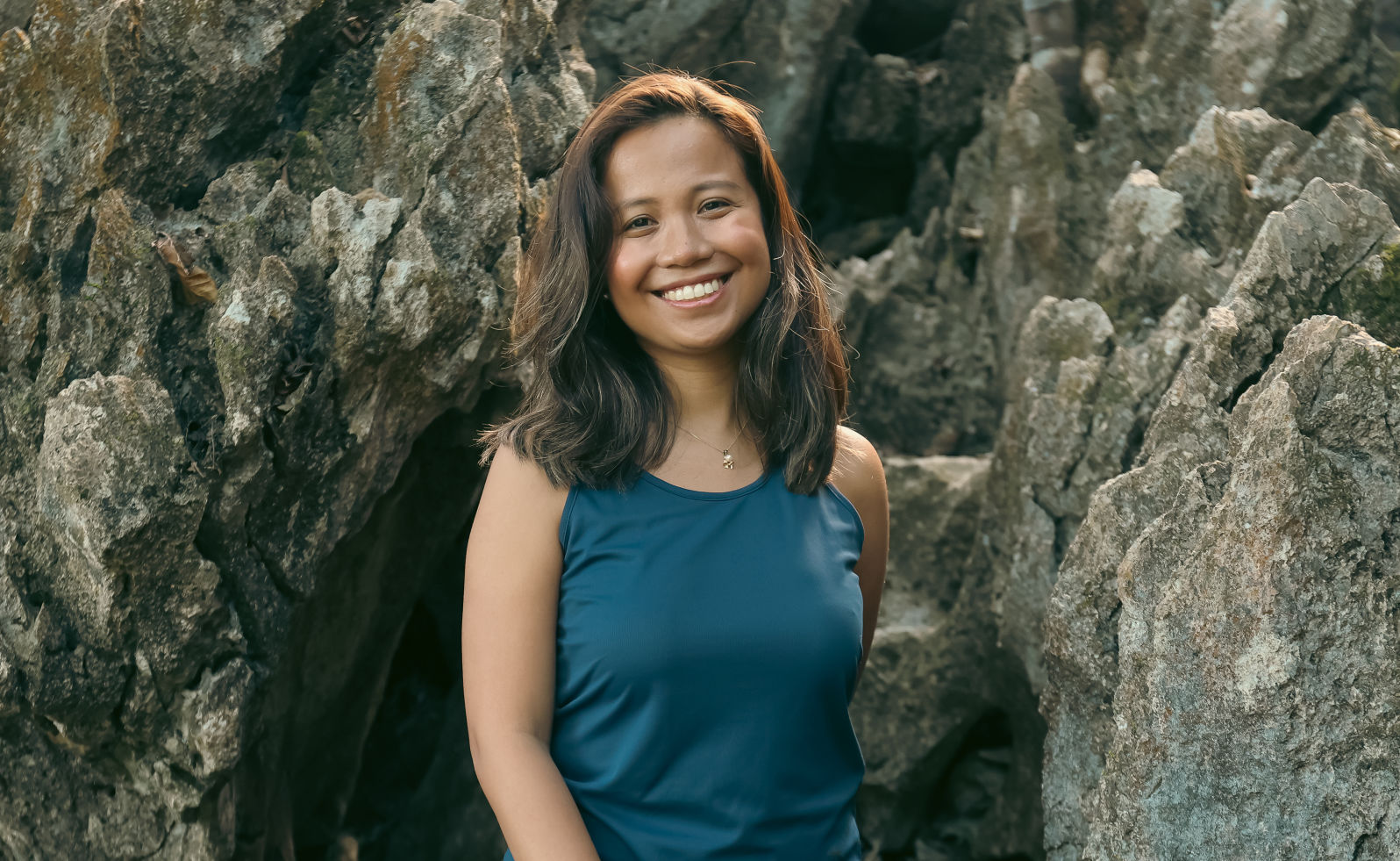
After answering questions one after the other with ease, Ann found herself struggling when asked about her personal goals and mission in 2025.
With a small laugh, Ann only answered, “[Goal] for myself? Myself is Masungi. The Masungi work.”
According to Ann, there is nothing she wants more this year than to strengthen and widen the fight for saving Masungi from environmental offenders.
“In 2025, what we hope for Masungi is really to leverage the presence of all of these communities that are in support of Masungi, for change-making in the Philippines and the environmental space, especially starting from Masungi. It’s also strengthening the core team when it comes to dealing with all of these issues that pertain to environmental offenders and environmental offenses,” said Ann.
She added, with conviction, that everything she does — together with Masungi’s team — is for their mission, “To really just [keep] a focused eye on restoring the place [and] encouraging more people to come over to experience what the place is about. That I think would be it for me; everything that we do, [...] they all really just come as part of being laser-focused on the mission.”
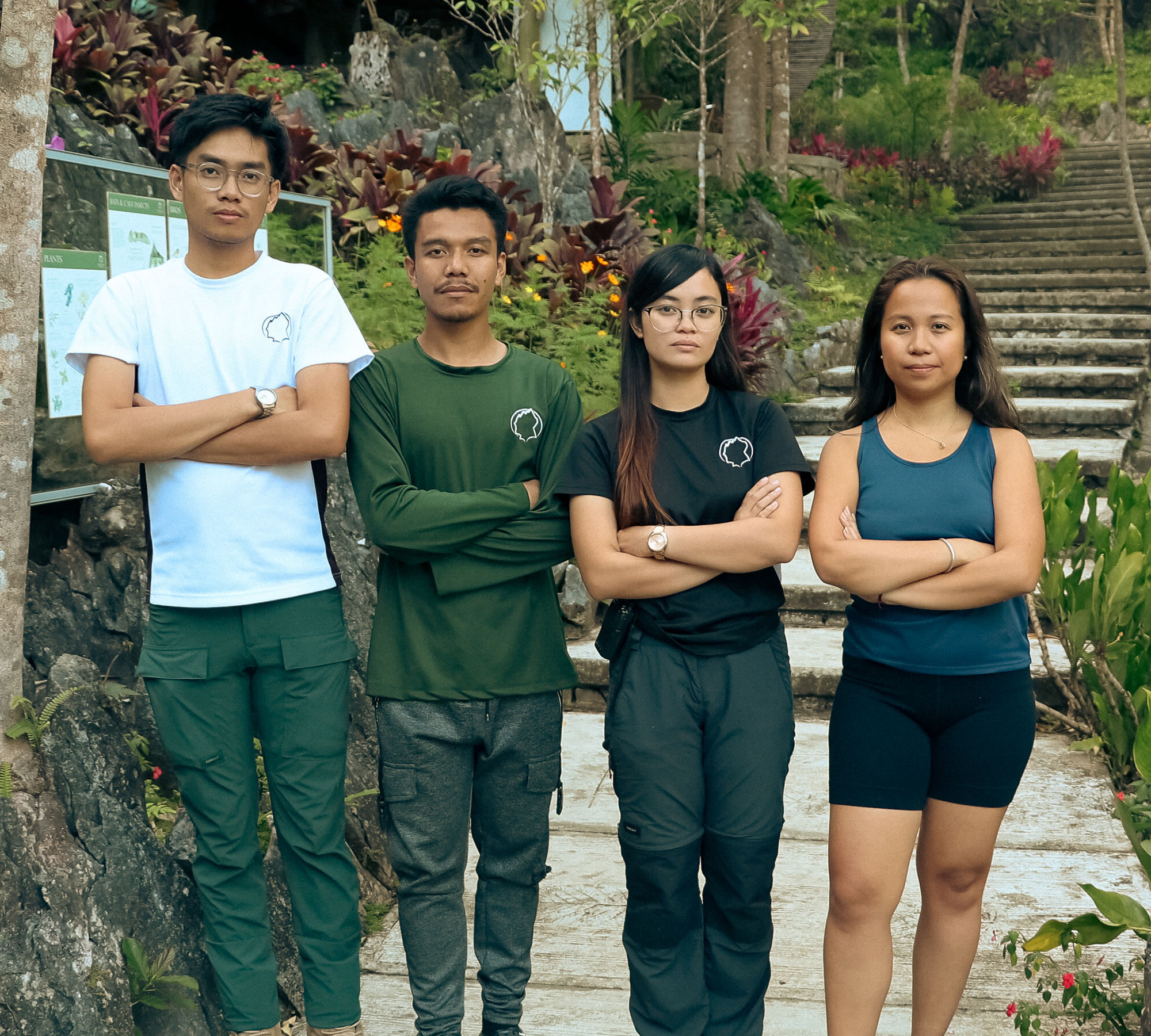
Throughout the interview, Ann highlighted the country’s need for a solid plan for the conservation of Masungi and other lifeline ecosystems, and what it could do for the Philippines, because if we do not move with urgency, doom awaits, and the beauty of the country may not be seen by the generations to come.
“Mawawalan ng protector ‘yung watershed area (the watershed areas would lose its protector) [and] the violence against environment protectors and harassment would worsen here, and it would set back the entire conservation agenda of the Philippines because we know already and have this awareness that we need to protect these lifeline ecosystems,” Ann explained.
According to Ann, the Philippines has laws — helpful laws — that could potentially support their fight. But what we need is proper execution, similar to other countries who seemingly found the formula for protecting their nature.
“Kulang natin [ay] execution. Ang dami nating magagandang batas (We lack proper execution. We have a lot of good laws), [but] the execution is where we’re missing out. And if you look at how protected areas have progressed in other places and other countries, it makes sense to have area-based protection mechanisms like Masungi in challenging places where existing mechanisms have not worked. We should open up that opportunity and/or other critical places [that] are encountering the same challenges,” she added, “That’s how it would set it back because that’s what we need. We’ve seen it worked, and yet we’ll scale it down. [...] that’s now how it’s supposed to be.”
If only the Philippines see the importance of strong conservation efforts and geotourism, Ann said more biodiversity areas would have received the same support Masungi is getting, “If we are able to protect Masungi, scale it, overcome all these enforcement and challenges that we have, then we get to do more for the country. We get to really pursue geotourism in other areas of the Philippines that actually support biodiversity and the diverse returns to the communities and areas they belong to. We get the chance to showcase the Philippines on the global stage and to have the identity of the Philippines to be better…”
If we are able to protect Masungi, scale it, overcome all these enforcement and challenges that we have, then we get to do more for the country.
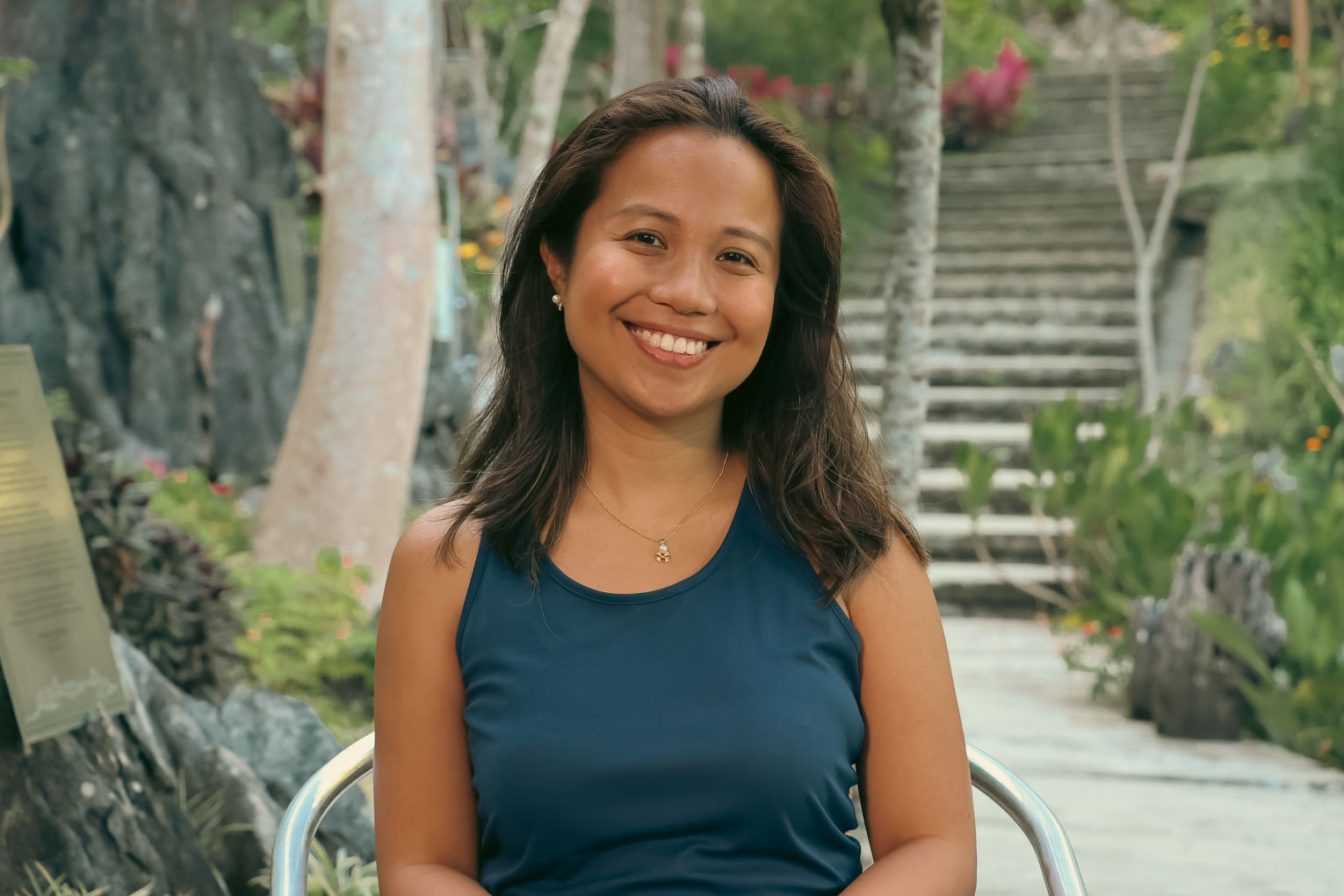
While geotourism and environmental defenders are yet to see a better future in the Philippines, Ann is hopeful for their future and wishes to see more people engage themselves in the beauty of conservation and preservation.
Ann noted, “I think it’s poorly harnessed [...] in the Philippines, but there’s no way that — this is something I used to say a lot before — there’s no way that we could bring the Philippines on the global stage if we can’t even showcase our own identity. We will never thrive by being a copycat of a different area, and what that requires of us is that we look into ours in the ways that we have failed to in the past…”
For people who want to follow in her footsteps, Ann advised, “What I would recommend is you start [in] your backyard. You try to get to know the landscape that you belong to to understand what makes it different and what makes it unique, and then create an experience out of that.”
Despite its challenges, Ann emphasized the beauty of geotourism and said pursuing it is a “purposeful way” to live.
“It’s such a colorful space to belong to — geotourism. There’s still so much to showcase…” Ann added, “It’s a very purposeful way to live. Things could be difficult, but [if] you’re grounded in purpose, then it forces you to do extraordinary things.”
She also said not to think too much about where you come from because geotourism and nature welcome those whose hearts are set in conservation and preservation.
“You can come from anywhere, to be honest. I came from Management when I came to the Masungi team. [...] I came from a field that is past the Sciences, past your traditional force, and those are important fields, but everyone has something to contribute. [...] A lot of functions could contribute and all of them are good starting points,” said Ann.
It’s a very purposeful way to live. Things could be difficult, but [if] you’re grounded in purpose, then it forces you to do extraordinary things.