Mobirise

The man behind the malls

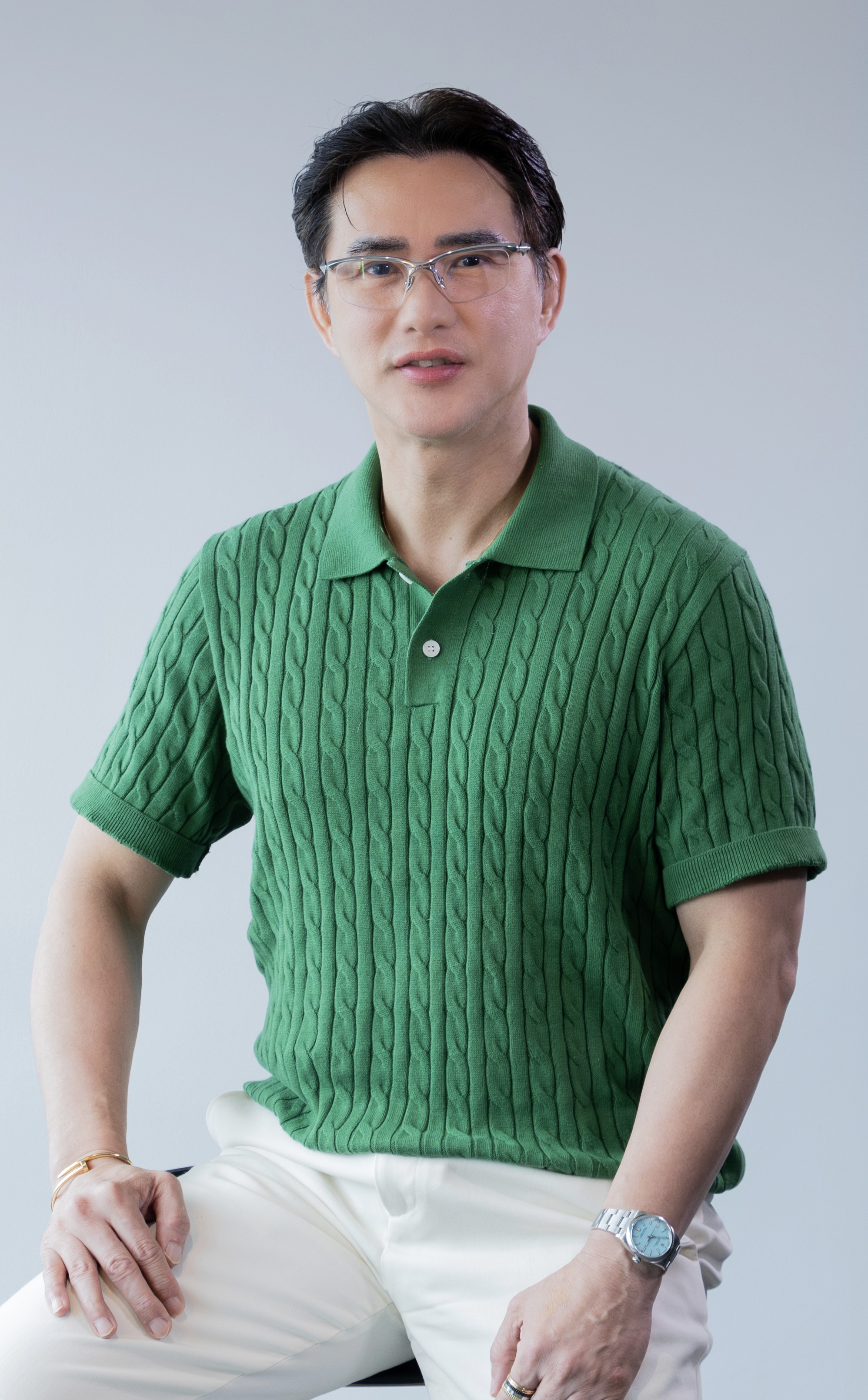
SM Supermalls president Steven Tan wants to know what it is that customers want – and gives it to them.

By Ron Lim
Photos by Clare Cabudil
 

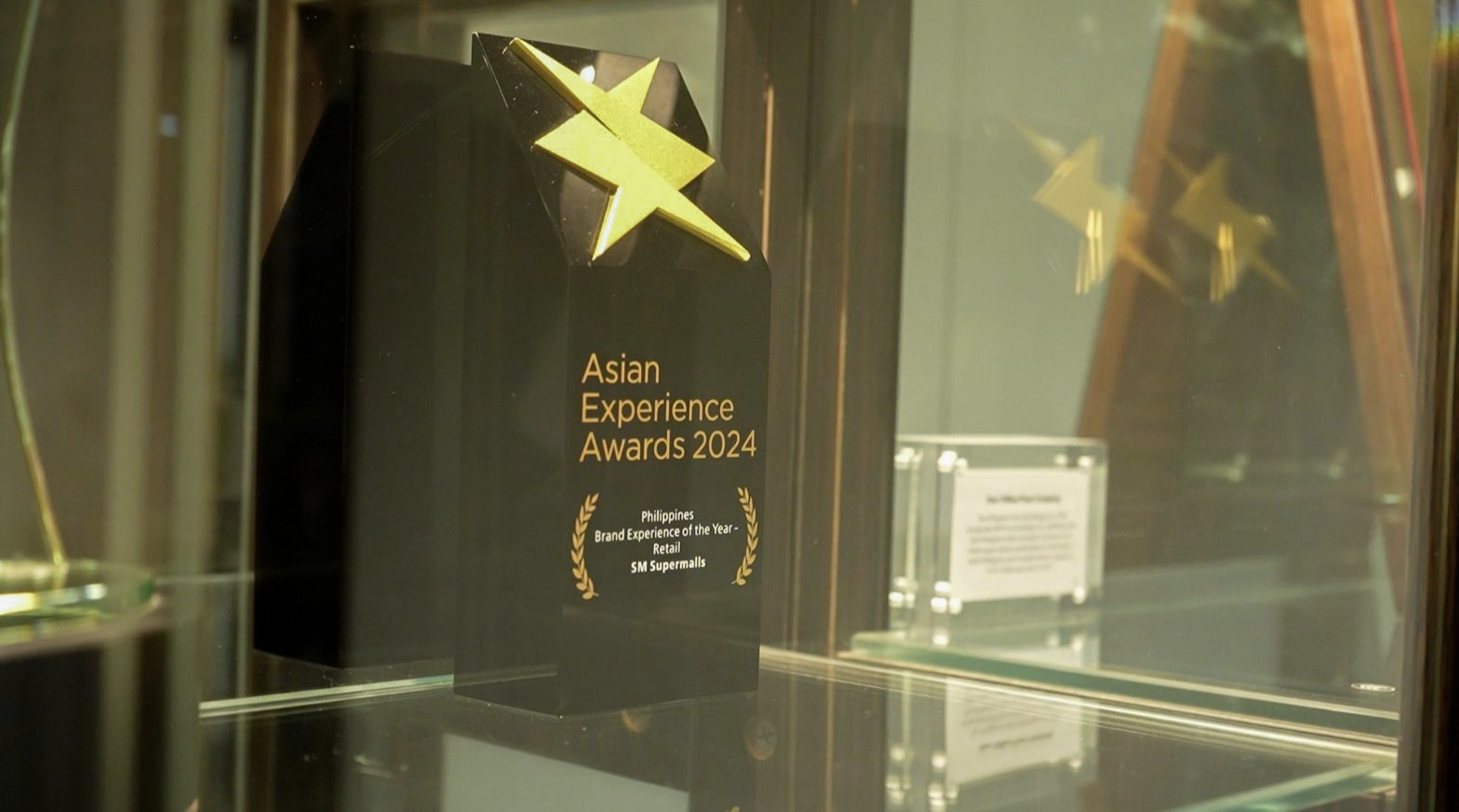
Filipinos love going to malls, and when it comes to malls, there’s nothing more closely associated than these two letters: SM. And why wouldn’t it be? As of this writing, there are 88 SM Supermalls in the Philippines, and nine in China, with the latest one in Fujian Province.

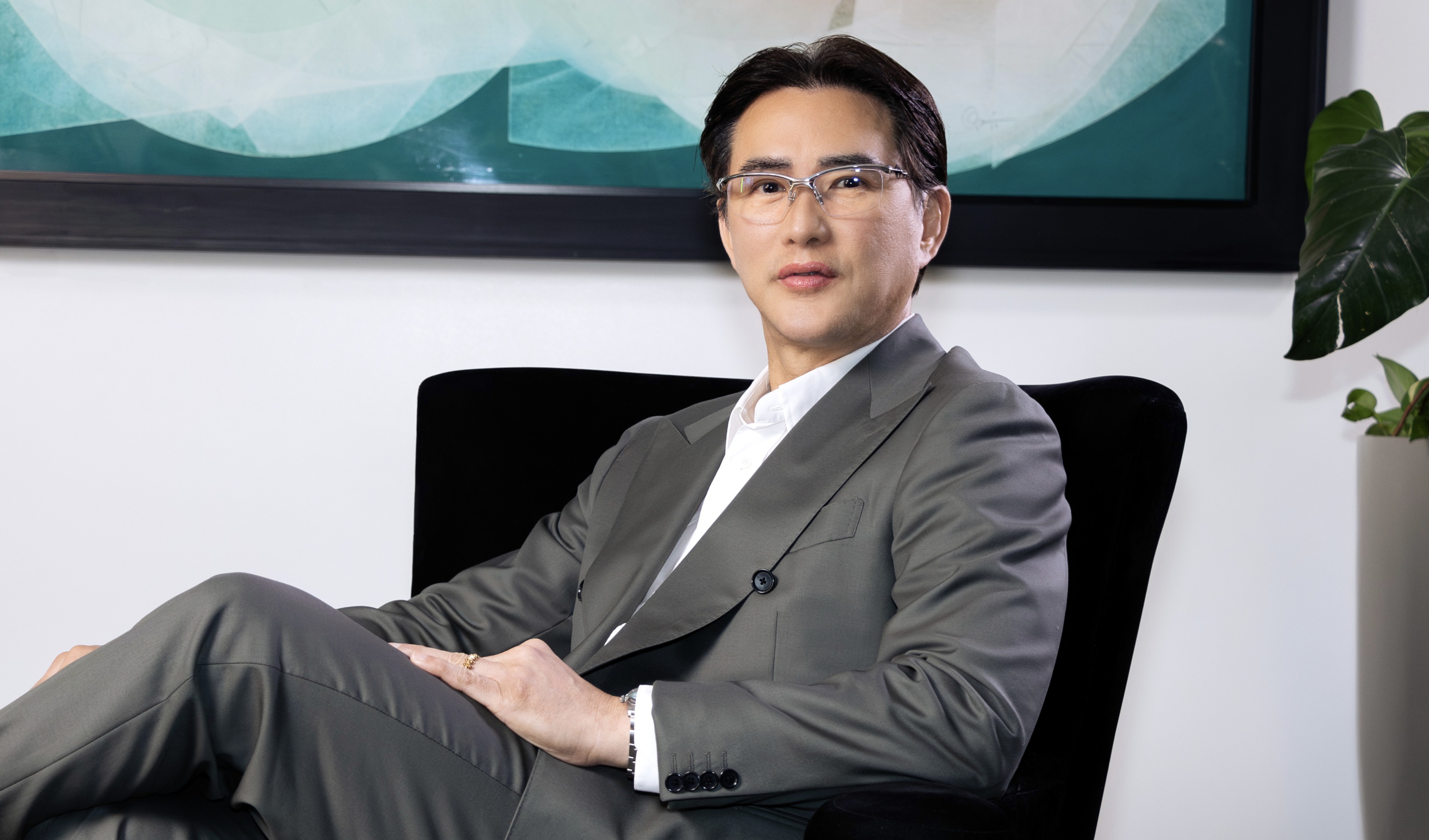
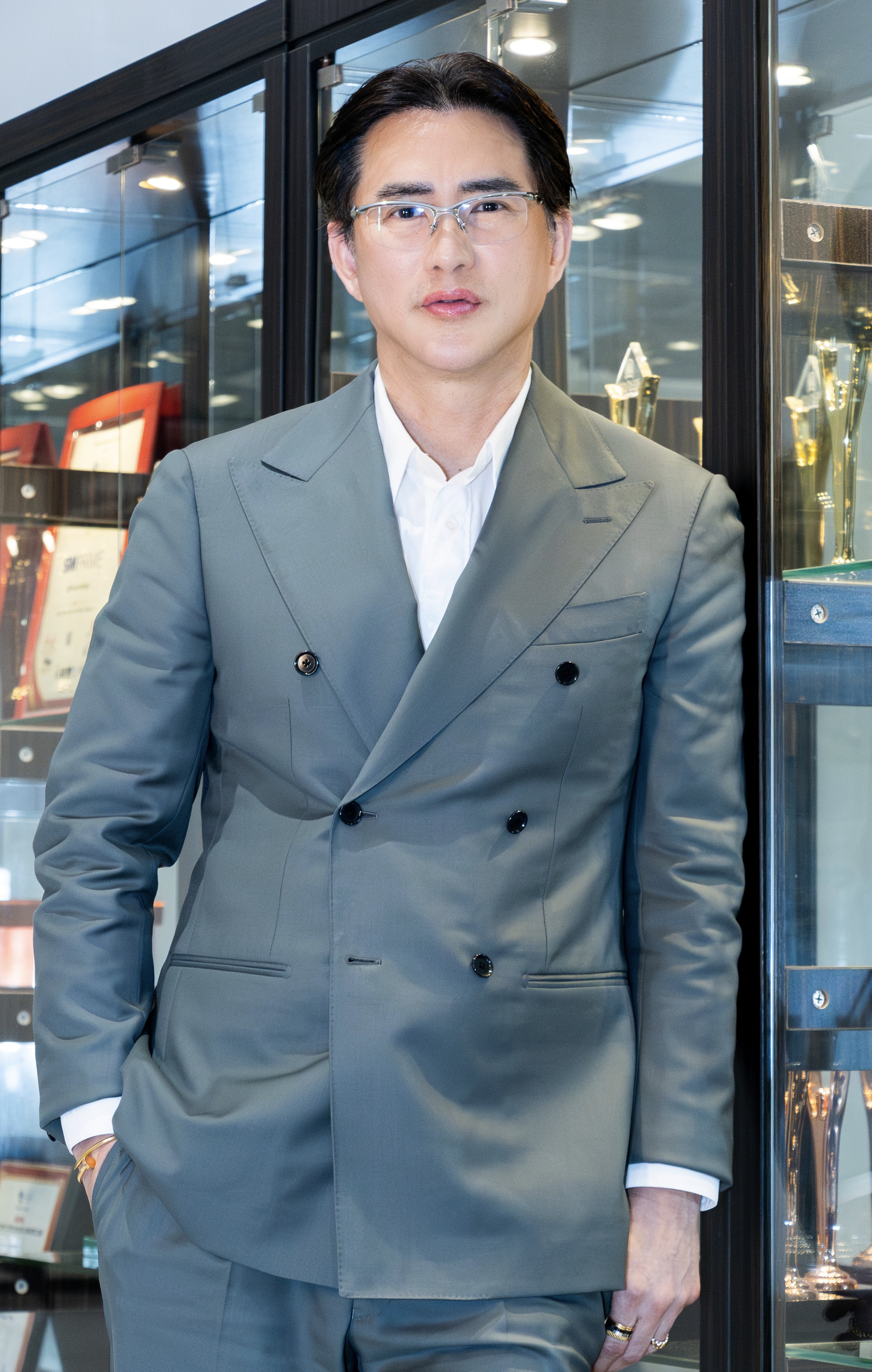
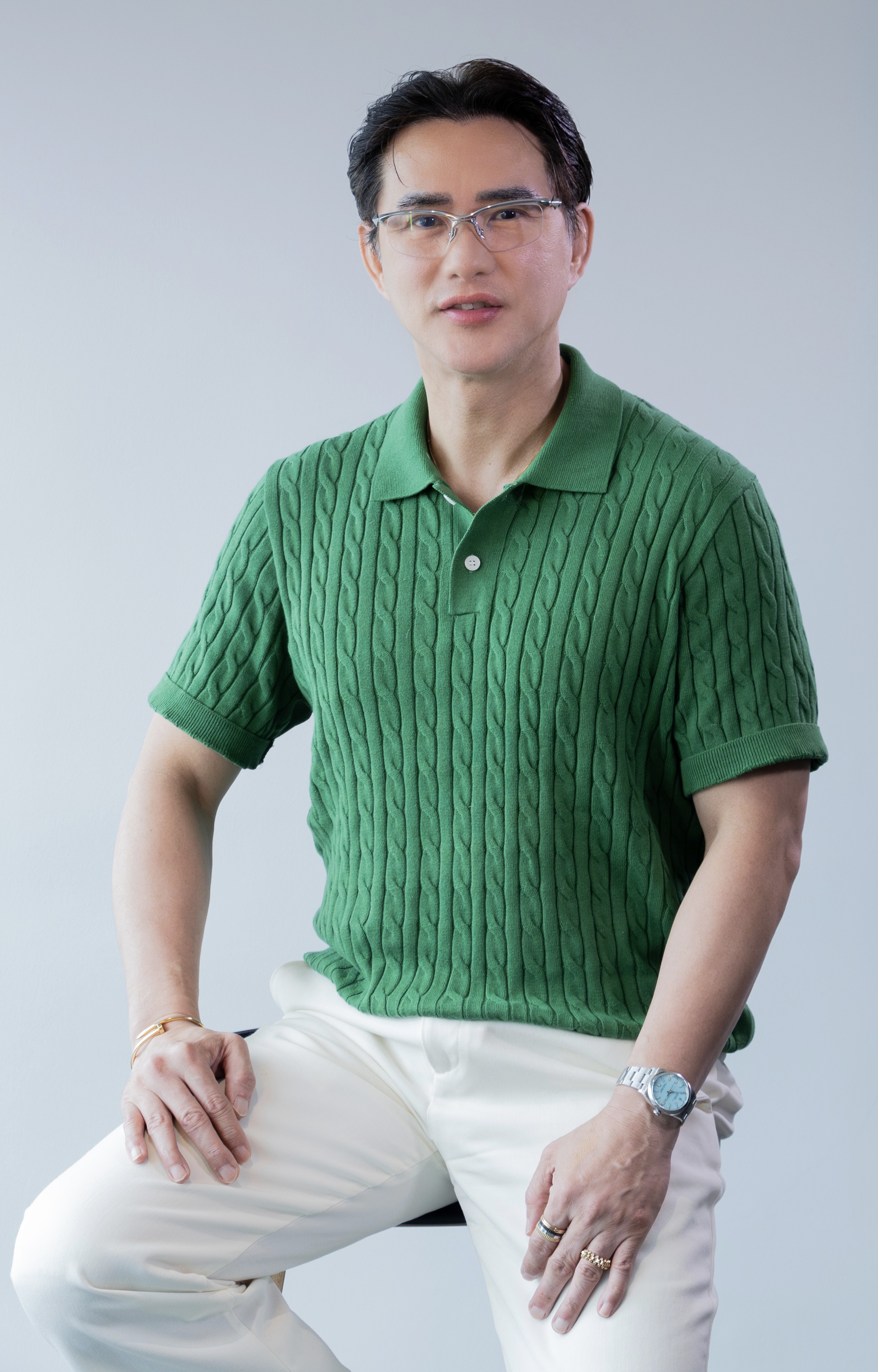
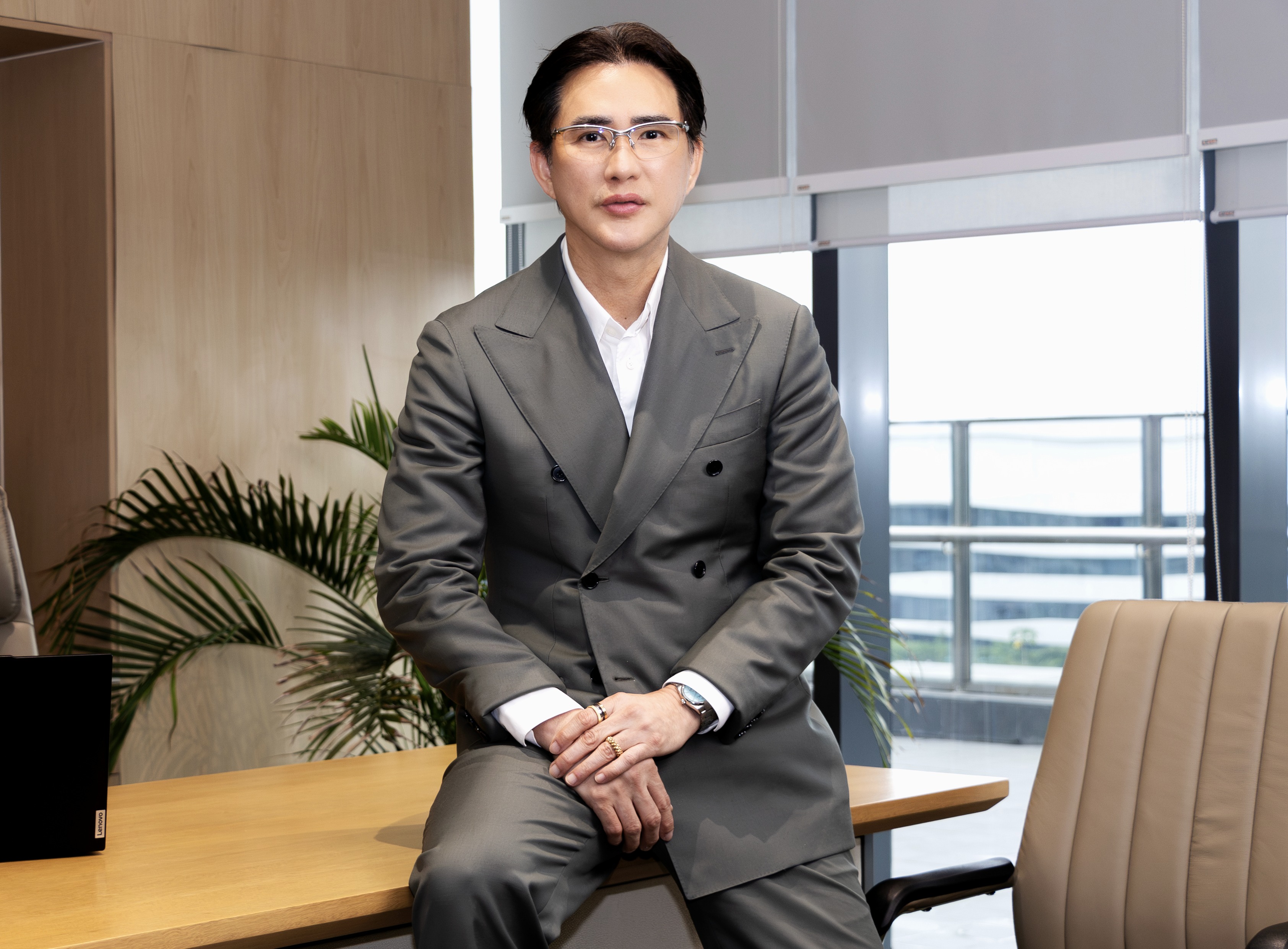
Shepherding this growth in two countries is SM Supermalls president Steven Tan, who cut a sleek and sophisticated image during this interview – no hair out of place, suit perfect, and a team around him ensuring that the image is pristine and preserved. It’s easy to be intimidated, but as one soon finds out, beneath Steven Tan’s sleek image is someone who’s focused on finding out what it is that the customers want – and giving it to them.

“The reason why the malls are still packed nowadays is because we give them what they want. We listen to them. We make sure that they are happy and content when they step into our shopping center,” he said.

Mobirise

A foundation in hospitality

This focus on customer satisfaction stems from the years Steven spent working in the hospitality industry. Before becoming part of SM, Steven spent eight years in Taiwan and worked as a food and beverage management trainee in a five-star hotel, eventually becoming a front office manager, as revealed in a magazine feature. According to him, his 14 years in the hospitality industry – including a stint as the manager of the Taal Vista Hotel – gave him a strong foundation for his current role now.

“I think those (years) really helped me with how I ran our shopping centers. It is a building block, it is a foundation of how we try to understand what our customers need,” he explained. “For me, it’s totally the same. Hospitality and retail are completely the same. You’re serving customers. You have to understand what they want and what they need.”

In 2004, he was invited to work with SM by Tessie Sy Coson, the current vice chairwoman of SM Investments Corporation. His first assignment was managing The Podium, which he fondly describes as his “eldest child”. But it was his next assignment that would really test the strength of his hospitality industry foundation.

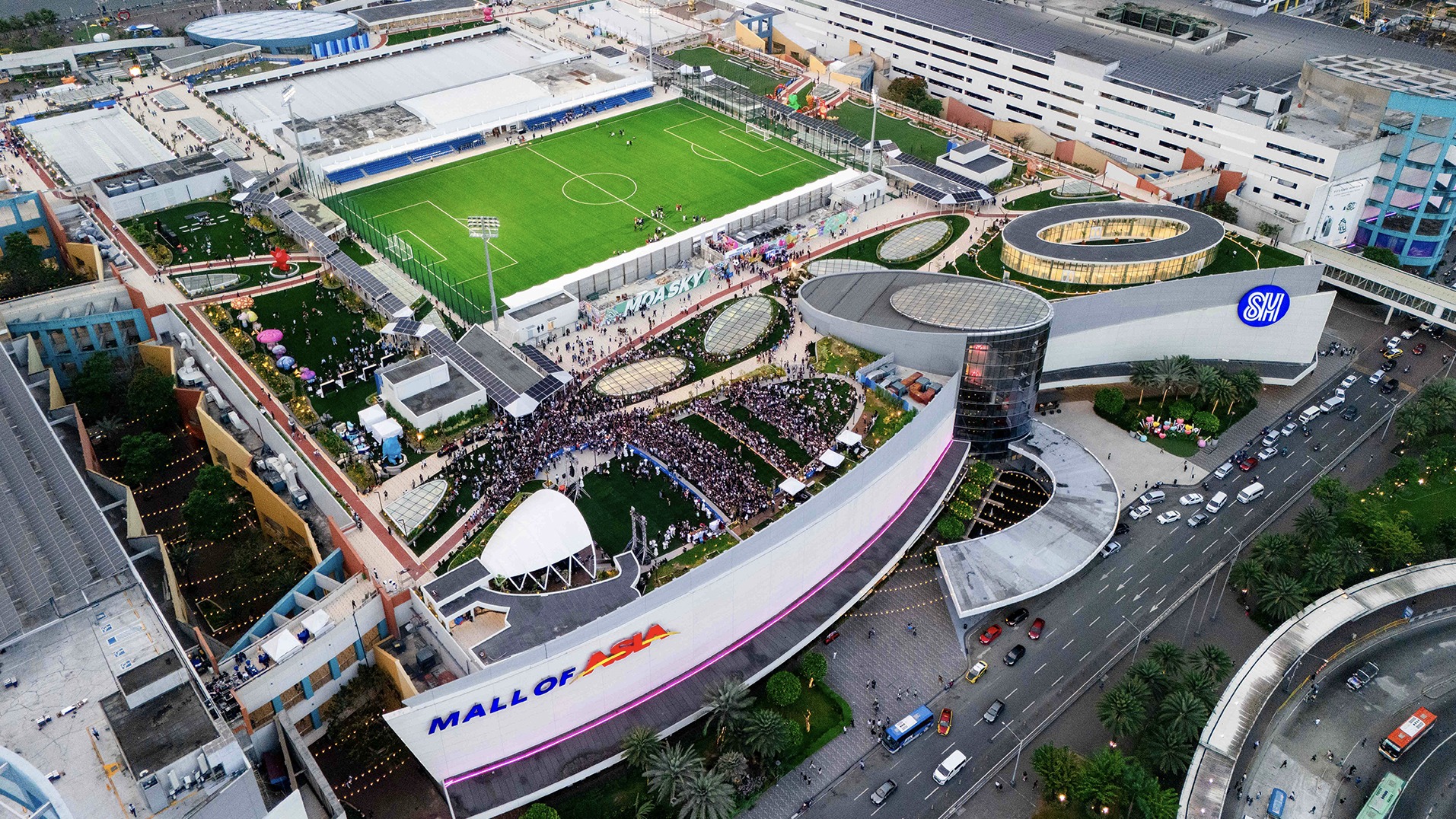
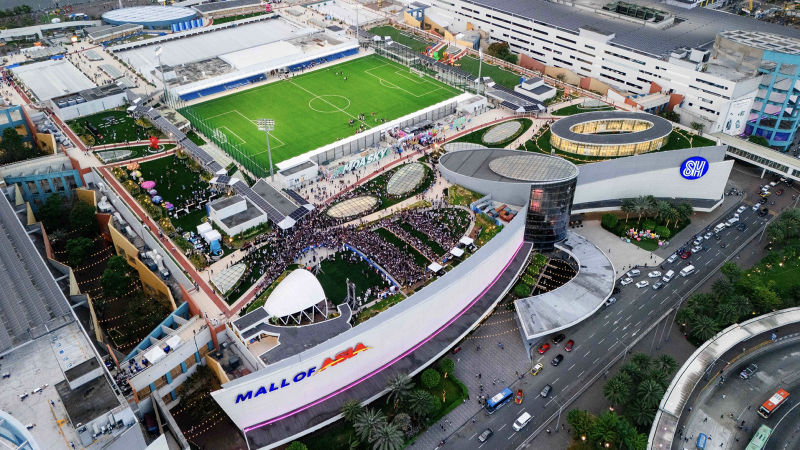
“The next mall that I opened after The Podium was Mall of Asia. You see the contrast, right? When you’re young, you don’t know fear. Fear is not in the equation. When I was asked to open the Mall of Asia, it was a daunting task, and there was no community around the area,” he recalled. “But you just do it. Just focus, and make sure that you do your best. I was very lucky because I had guidance. It was really a collaborative effort from the management and down the line, to make sure that when we opened Mall of Asia, it opened with a bang.”

It would take another 14 years before Steven would face another monumental challenge – becoming the president of SM Supermalls during the eruption of the Taal Volcano and the start of the global coronavirus pandemic.


"The reason why the malls are still packed nowadays is because we give them what they want. We listen to them. We make sure that they are happy and content when they step into our shopping center." 
Mobirise

Looking out for the community

Steven was named the president of the biggest mall group in the country at the start of 2020, and immediately had to contend with a literal national disaster – the eruption of Taal Volcano. The mall company’s Lemery branch and its surrounding community was affected, and Steven’s first order of business was to assist.

“We had to close our SM Center Lemery, and we had to, of course, help the community around it. I left Manila at 4 a.m. in the morning, the day after, together with our mobile clinics to distribute clean water, food, blankets, and also first aid, together with SM Foundation. That was the first challenge,” he recalled.

By the time February rolled around, the global coronavirus pandemic had closed the SM Supermalls in China. March saw the closing of all shopping centers in the Philippines, making Steven’s first three months in his new role challenging, to say the least.

“Yes, it was very challenging, but I don’t think that I would be who I am today without those experiences that I had. It made me stronger, it made me a better person, understanding the needs of our people and our community,” he said. “I’m only human, and there are times where I feel very, very down. But as I’ve said, it’s up to you how you look at the situation. I look at it as a glass half full, rather than a glass half empty.”

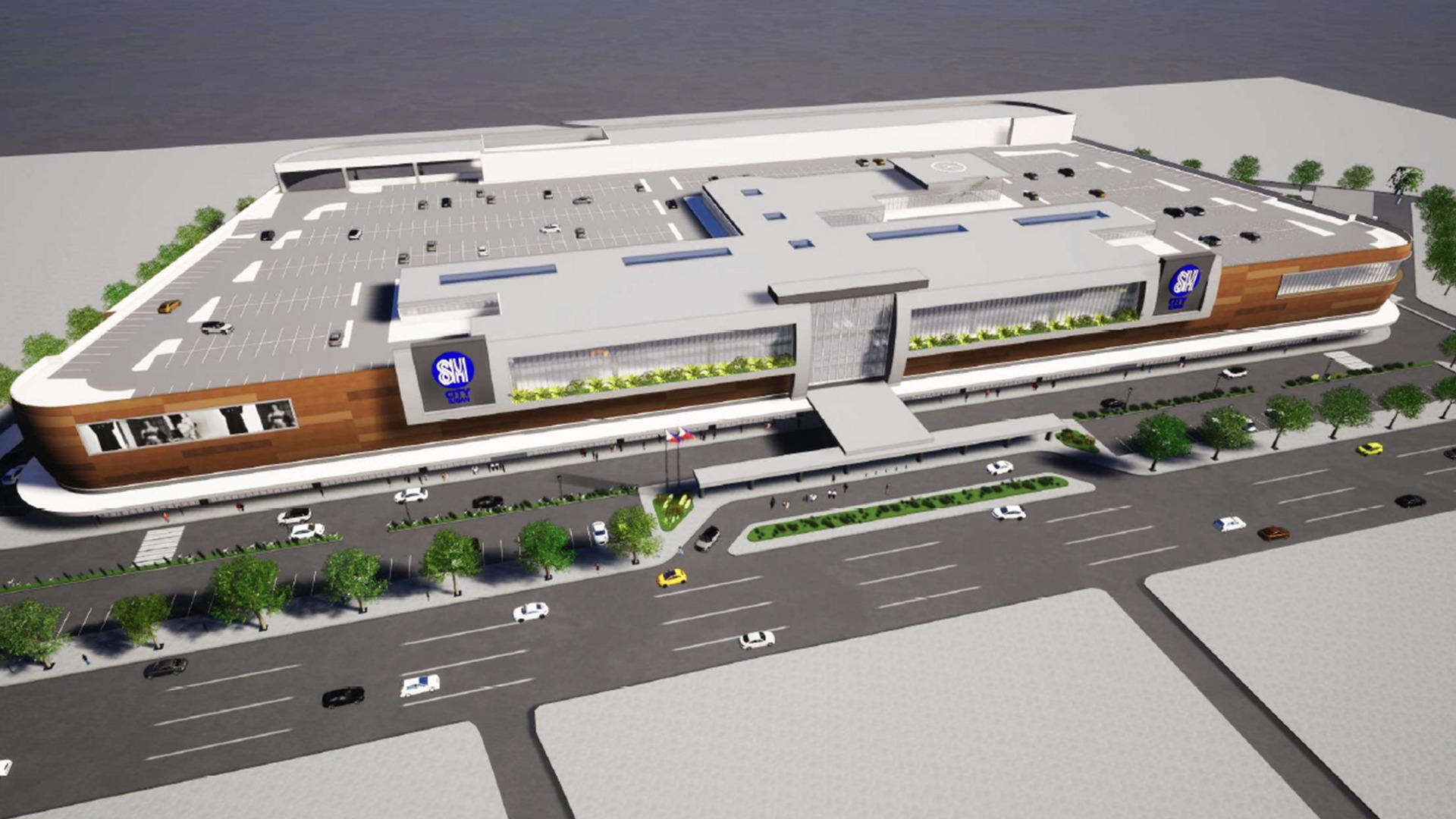
According to Steven, looking out for the community is something that is built-in with every shopping center that the company builds, even before the Taal Volcano eruption and the global coronavirus pandemic happened. Some examples he brings up include SM Marikina, which was built on stilts in 2008 to not add to the city’s flooding problem, and SM City Masinag, built in 20111 with a water catchment basin that can collect approximately a week’s worth of rain water.

"When you’re young, you don’t know fear. Fear is not in the equation. When I was asked to open the Mall of Asia, it was a daunting task, and there was no community around the area. But you just do it. Just focus, and make sure that you do your best."

Building up MSMEs

But it’s not just through its design that the company helps the community around it. Steven also shared company initiatives such as helping out micro, small, and medium enterprises (MSMEs) in the areas where they open.

“Working with the local community is key. That’s why we make it a point to at least have 80 percent of the employment in that area be locally hired. Aside from that, we also invite the MSMEs around that area, small businesses, [and] we welcome them to do business in our shopping center. That is a small way of how we could contribute to our community,” he explained.

With about 25,000 tenant partners, and about 75 percent of those being MSMEs, Steven says that the company has a responsibility to ensure that it’s not just SM that is happy, but their tenant partners as well. In malls like SM Aura, there is an allocated area only for pop-up stores of local brands. The mall group also has start-up projects that help local MSMEs with kiosks, packaging, presentation, and visual merchandising.

“We make it easy for them to come into the malls. Once they stay there for six months, if they want to go into a permanent store, that is the time when we transition them,” he explained. “This is also about business continuity. We want to encourage younger people to do business. We want to encourage micro and small businesses to come in our shopping centers. Us ourselves, we started as an MSME.”

"I’m only human, and there are times where I feel very, very down. But as I’ve said, it’s up to you how you look at the situation. I look at it as a glass half full, rather than a glass half empty."
Mobirise

To the future

The mall chain celebrates its 40th year this year, and it is looking not just to the online space, but its own physical spaces as well.

As any regular visitor to its malls will know, renovations are constantly happening, part of the company’s five-year plan and the age of the shopping center. And while there are plans to make the malls “sexier” – like the curves and lines of Aura Premier – Steven emphasizes that the goal is still to make things easy for the customer.

“We are again in full speed in updating our shopping centers, making sure that when customers step into our shopping centers, it looks fresh, it looks exciting, it’s well-lit, and it’s clean,” he said. “We try to make sure that we present ourselves in a very fresh manner to our customers. We owe it to them.”

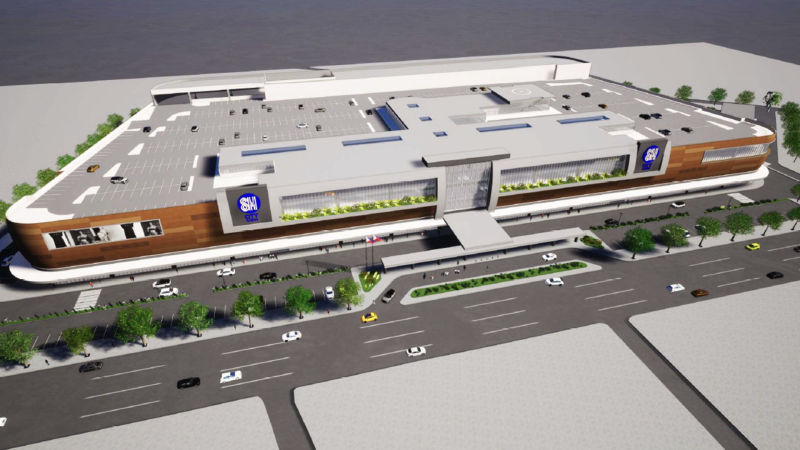
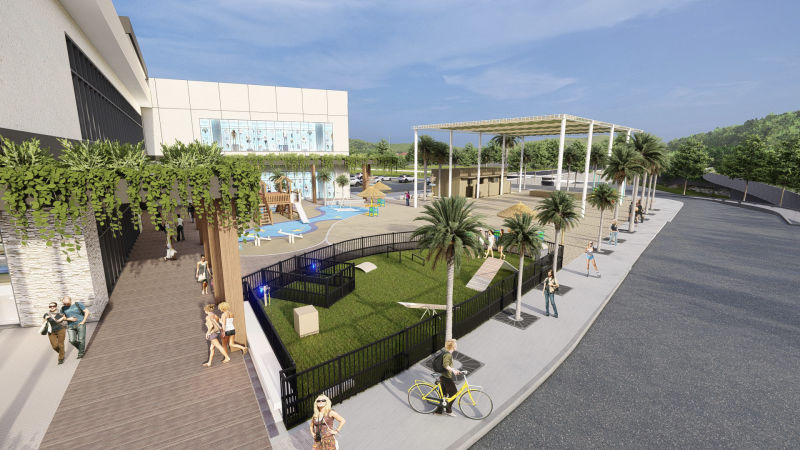
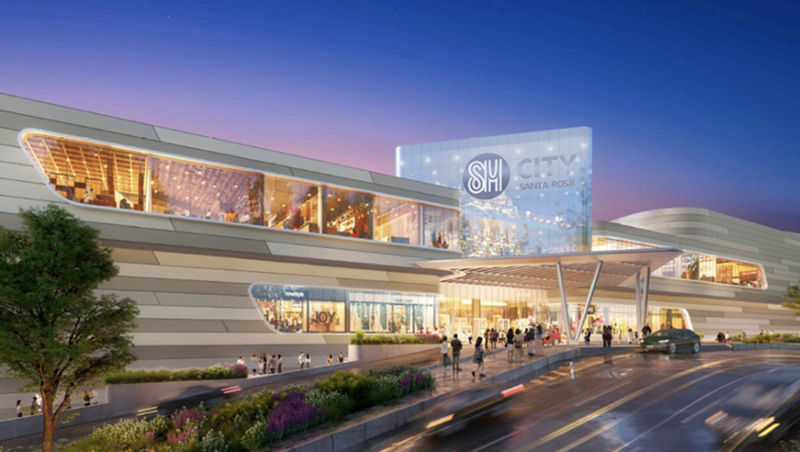
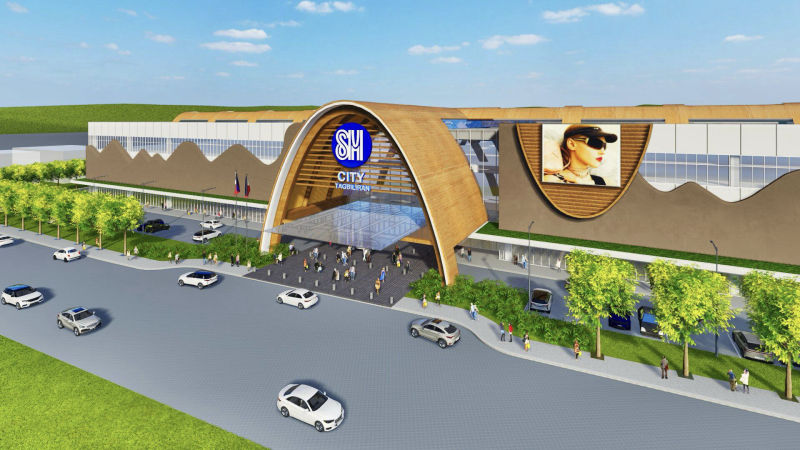
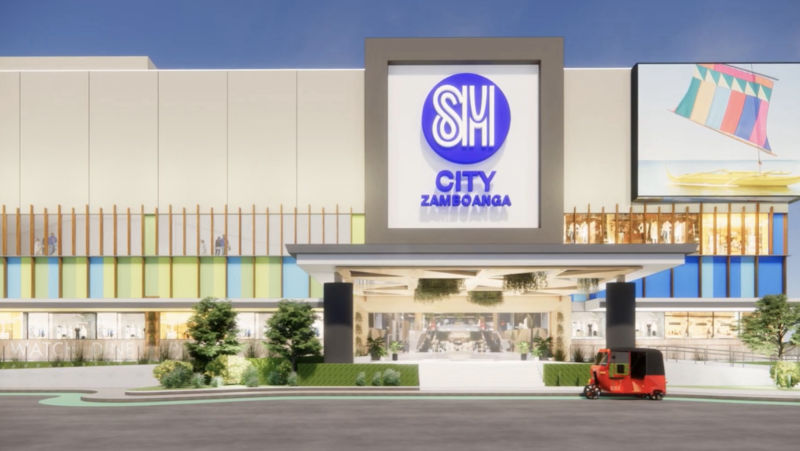
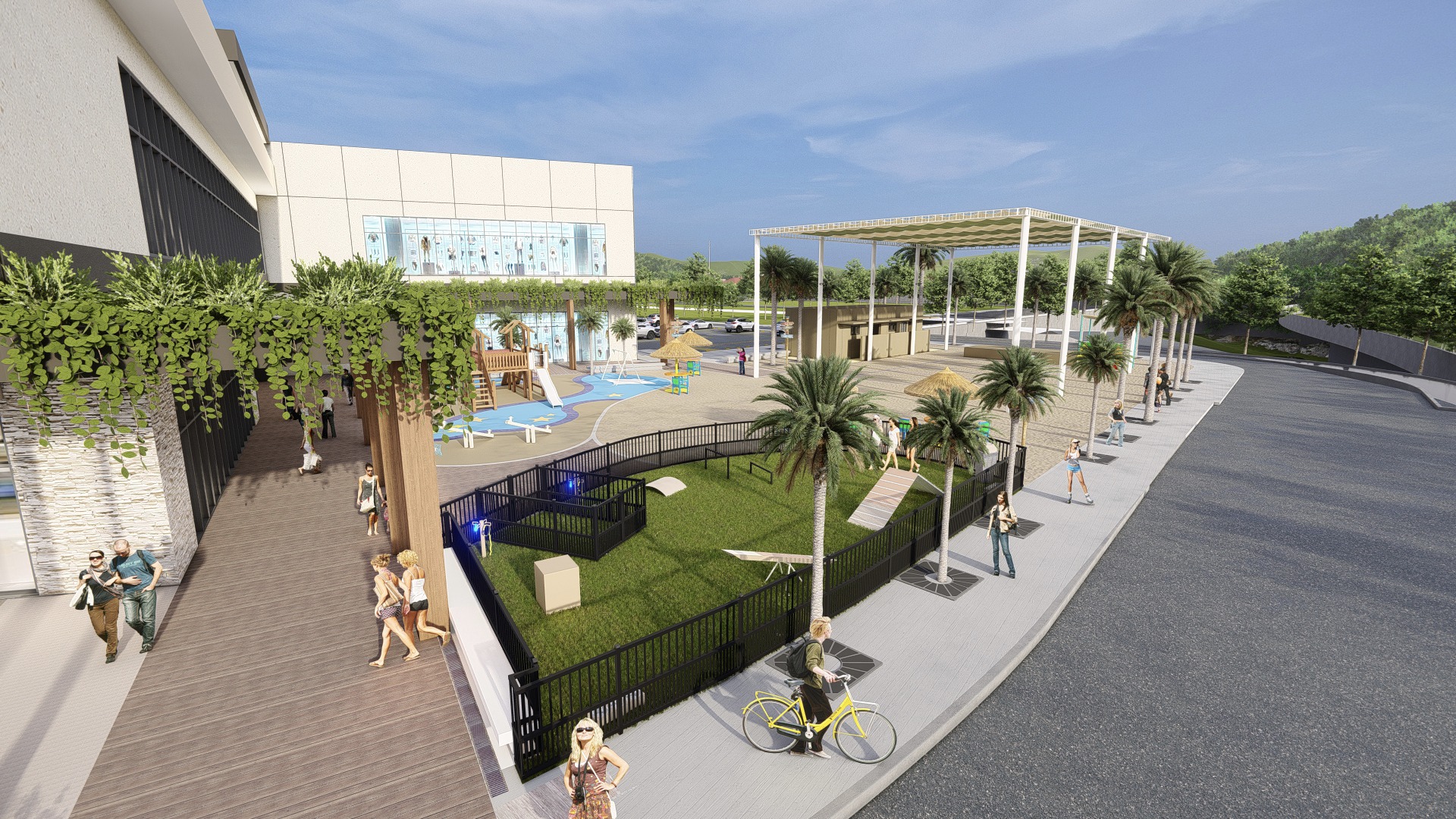
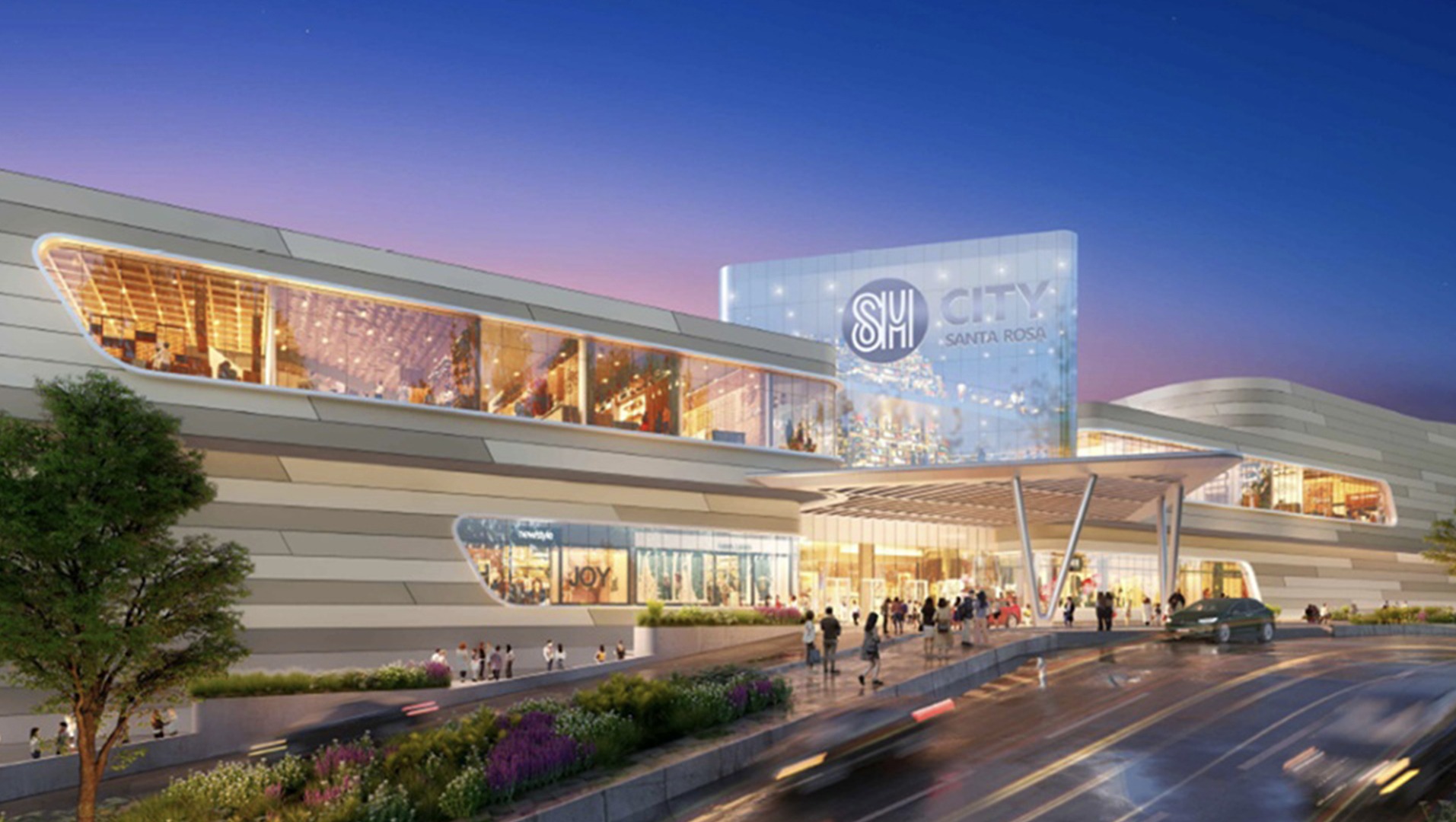
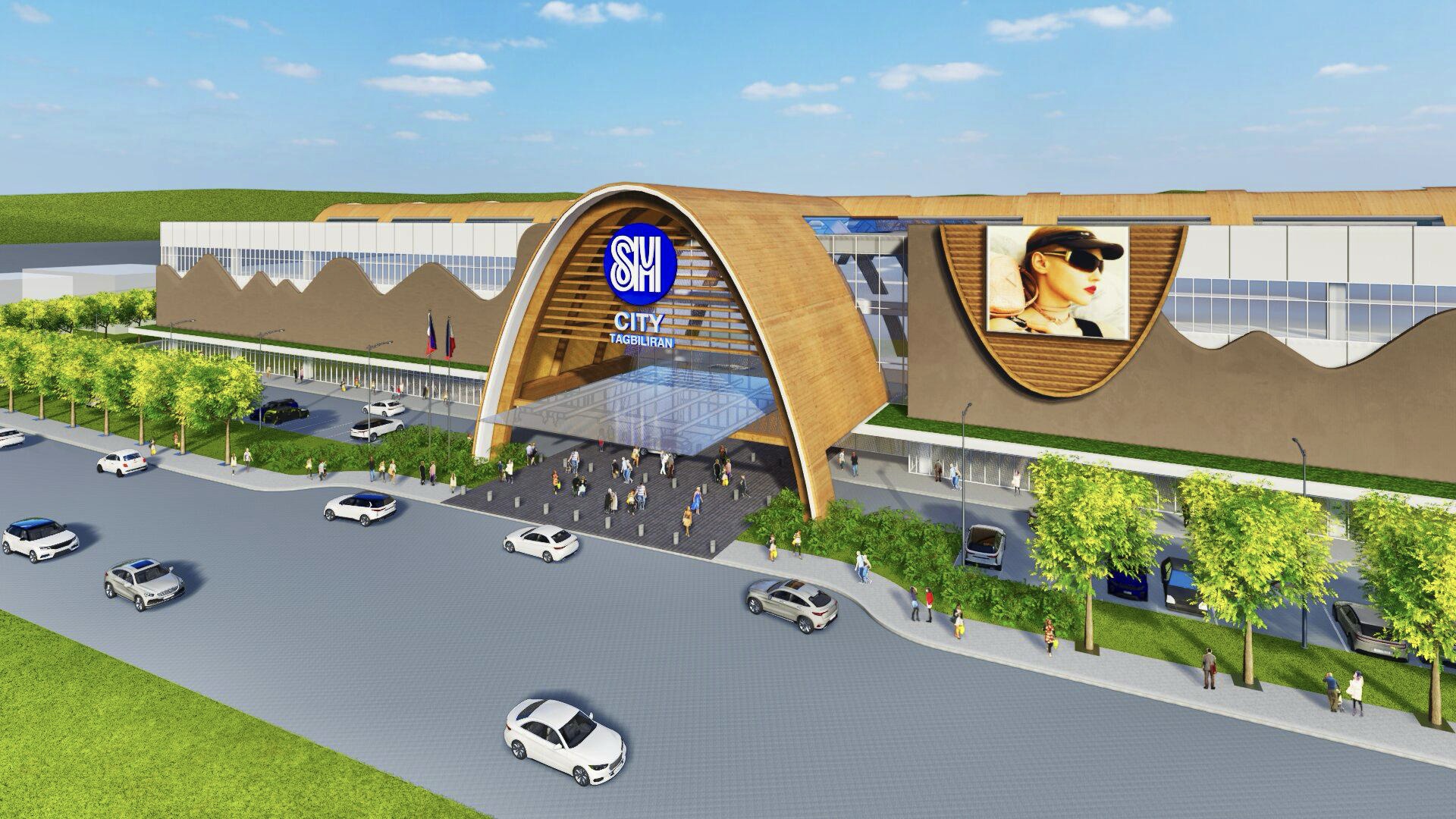
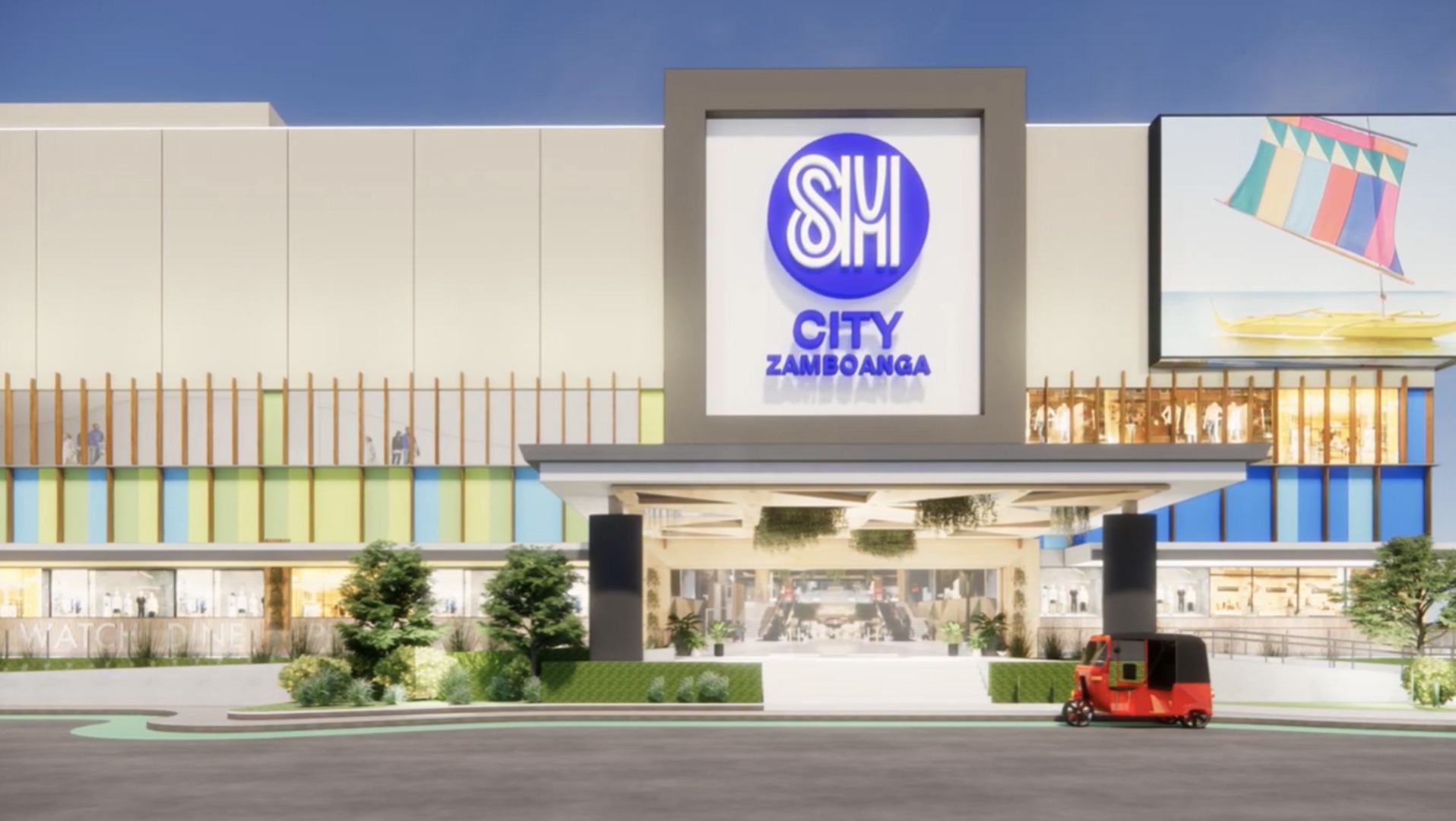
Multiple new malls are also being planned, such as a branch in Zamboanga set to open in the first quarter of 2026, and Neo Verde in Santa Rosa, Laguna. Neo Verde, in particular, will showcase the company’s move to make their shopping centers be more like modern-day parks. 

Mobirise

“The one in Santa Rosa, in the middle of the shopping center, we have a one-hectare garden that is covered and air-conditioned. It has a skylight, so it really looks like an open-air garden. You see the sky, the sunlight comes in, but in the comfort of air-conditioning. We call it AC fresco,” he shared. “You have the comfort of the air conditioning, but you also have the greens and the natural sunlight and lighting coming in. Because the Philippines, no matter what, has two seasons. It’s either very warm or always raining. That is our solution. SM has become a modern-day park, and a modern-day park that is comfortable for people to dwell.”

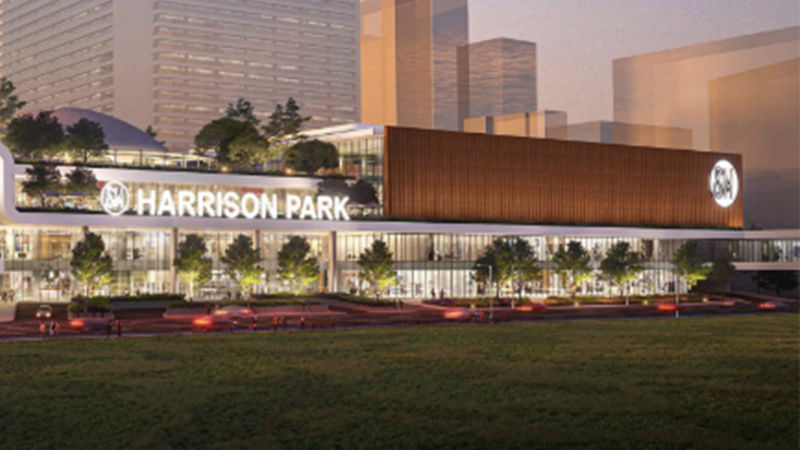
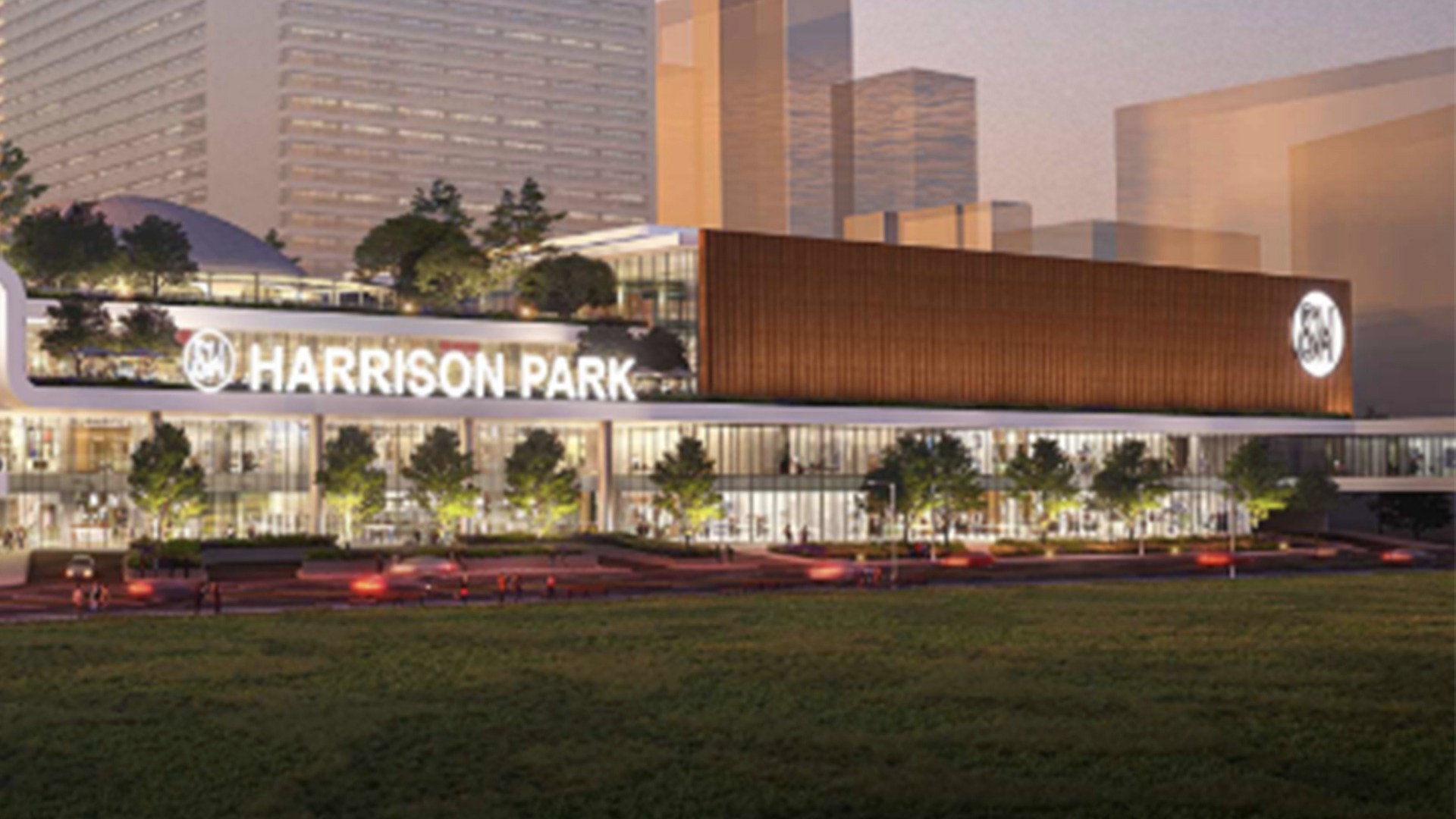
Another upcoming project is a mall replacing the famous Harrison Plaza, which is something that Steven is looking forward to.

“Harrison Plaza is a very special shopping center in my heart, because I grew up in Manila, and back then it was the shopping center. We would frequent it with my family, we would eat there together,” he shared. “That’s why I’m actually quite excited to make sure that we present it in a very different and very nice way. That’s going to be very exciting because there’s going to be a floor dedicated to Gen Zs, with all the brands they can relate to.” 
Mobirise


"I always believe in collaboration. It’s never about me, it’s always about us. Every day is a journey, and in a lot of decisions that we make, I’m not the only person who makes the decision."
 

Mobirise

Empowerment

It's these very same Gen Zs that are also helping Steven chart the future of a company that is embarking on the road to its 50th year. According to him, 70 to 80 percent of the team is made up of Gen Zs, and he has no problem talking to them to find out what that new customer wants.

“When I get into an elevator, I sometimes talk randomly to people, young people, asking where they are going to have lunch. What are you buying, what movies are you watching? What do you like? What do you want?” he shared. “We even have a focus group discussion based on what the Gen Zs and the Gen Alphas want. Again, it’s not about me. It’s really about the customers that we have.”

When it comes to his own leadership style, it’s still about collaborating with the team he works with and empowering them as well, whether they be Gen Z, Gen Alpha, or the fellow executives he works with. 

“I empower our executives and the people around me. For me, empowering them, letting them express how they want to do things, is something that could tickle their creativity as well,” he said “It is a collaborative effort. I always believe in collaboration. It’s never about me, it’s always about us. Every day is a journey, and in a lot of decisions that we make, I’m not the only person who makes the decision.” 

As for the young people looking to follow in his footsteps, his advice is pretty simple.

“My advice is fold up your sleeves and do the dirty job. There is no such thing as an overnight success. You really work your way up,” he said.

"My advice is fold up your sleeves and do the dirty job. There is no such thing as an overnight success. You really work your way up."
Credits:
Managing Editor: Angelo Garcia | Layout Artist: Kaye Castillo | Video Team: Karl Panal, Joena Magallanes, and Joshua Quiapo
Special thanks to: Joaquin San Agustin and AC Castro

More Profiles