

Travel, food, health, fashion, beauty, and more Lifestyle stories you love.

Travel, food, health, fashion, beauty, and more Lifestyle stories you love.
While Chef Nobu Matsuhisa respects traditions, he also embraces innovation in the kitchen
By Angelo Garcia
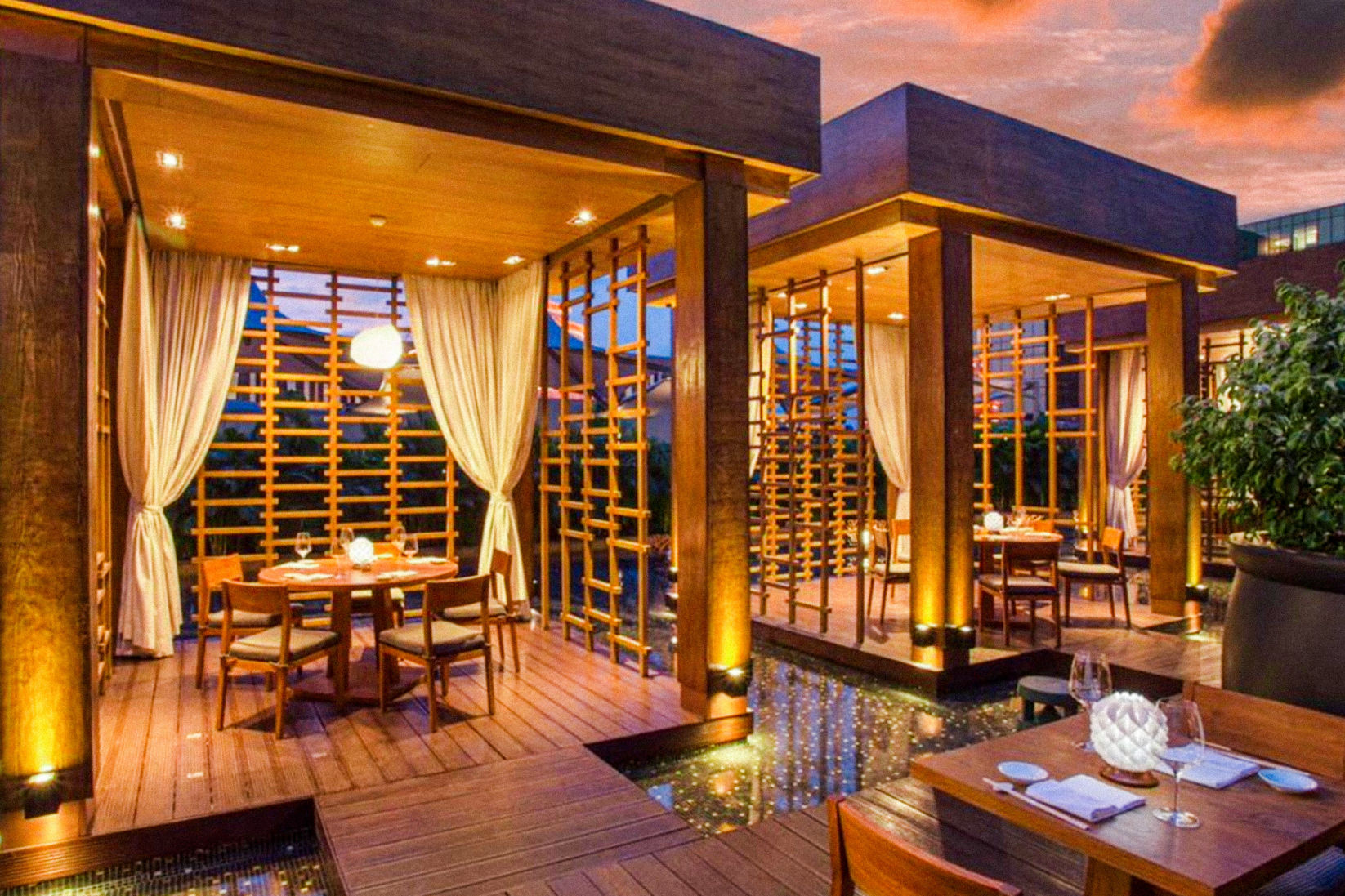
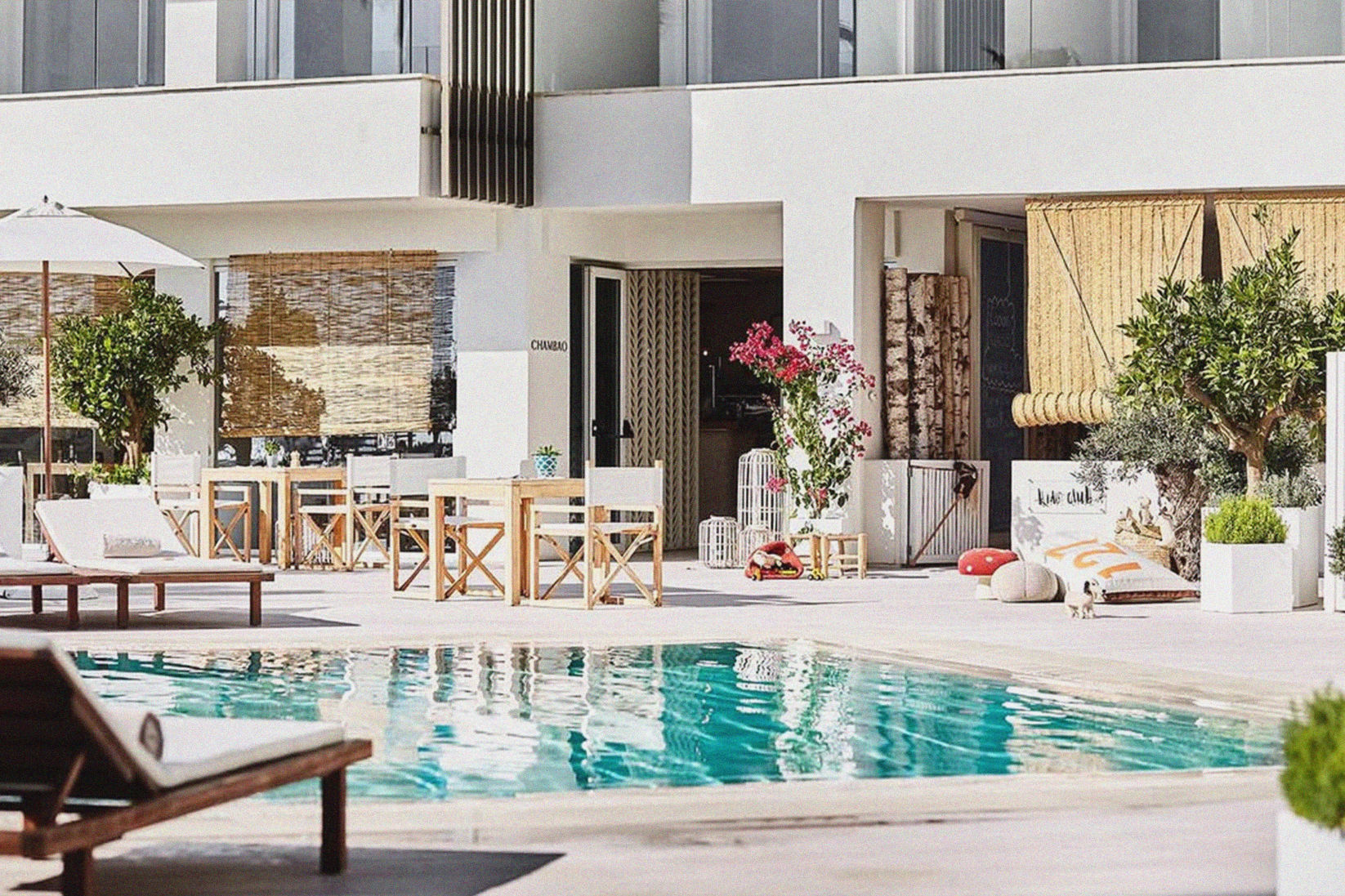
Chef Nobuyuki “Nobu” Matsuhisa has built a culinary and hospitality empire across the globe. From opening his first Nobu restaurant in New York in 1994 to building lavish hotels in Santorini, Marrakech, Ibiza, and other locations.
This empire is growing rapidly with plans of opening hotels and restaurants in various premiere and exotic locations like Barbuda, Cairo in Egypt, Muscat in Oman, just to name a few.
In 2015, he opened Nobu Hotel and Nobu Manila restaurant in the Philippines, the brand’s first-ever Asian location. It is located at one of Manila’s most popular integrated resorts, City of Dreams Manila. Chef Nobu attended the opening alongside Hollywood actor Robert De Niro, who is also the co-founder of the Nobu Hospitality brand.
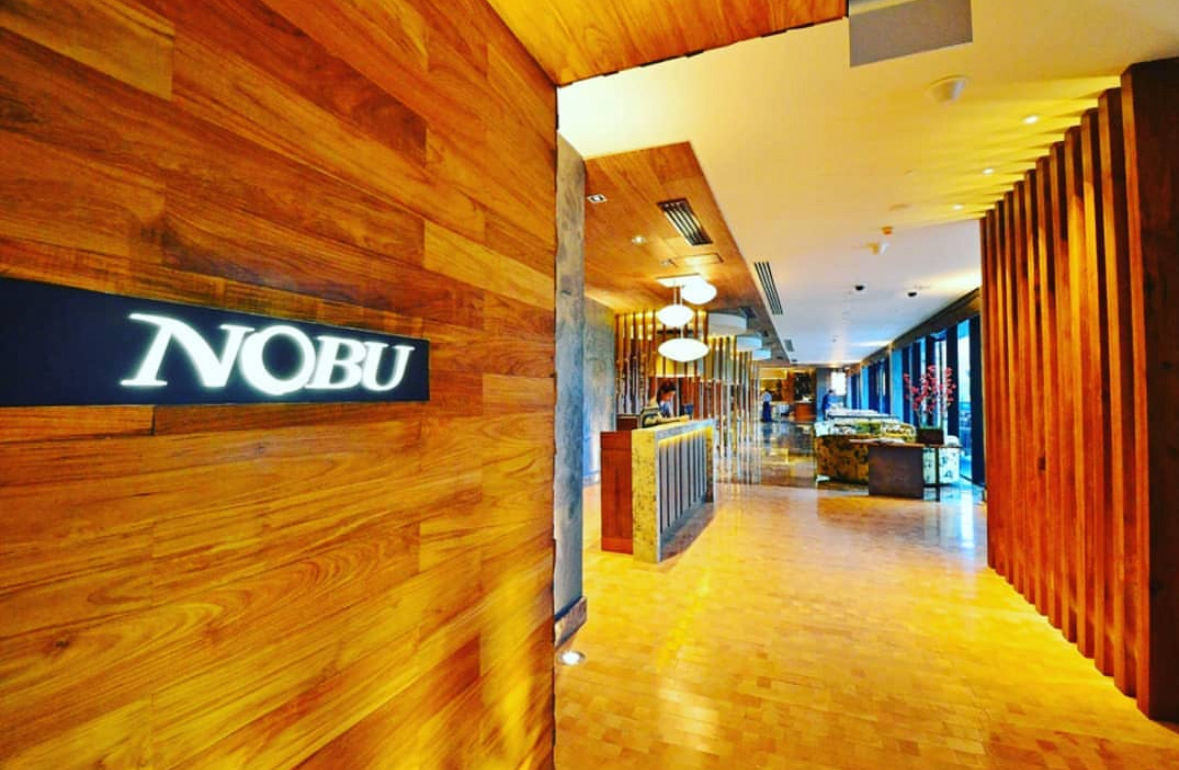
For 10 years now, the Nobu brand remains as one of the top luxury destinations in the country. In fact, Nobu Hotel is included in the recommendations list of Philippine hotels by the Michelin Guide.
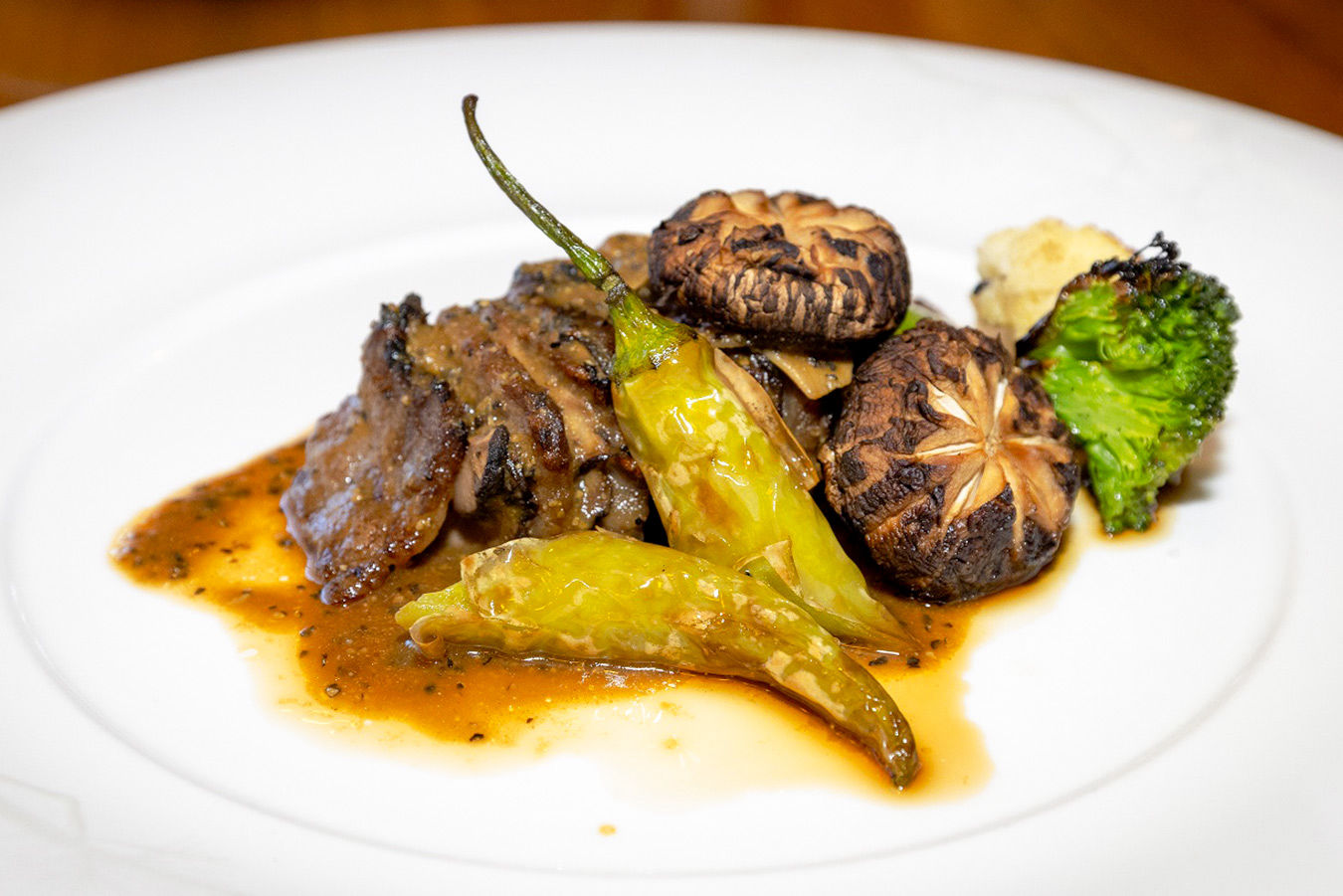
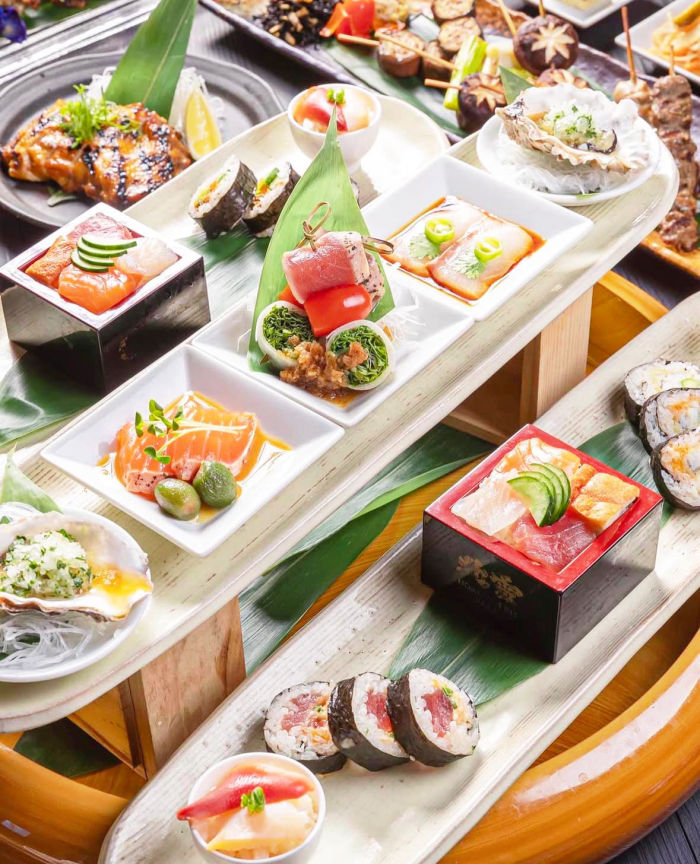
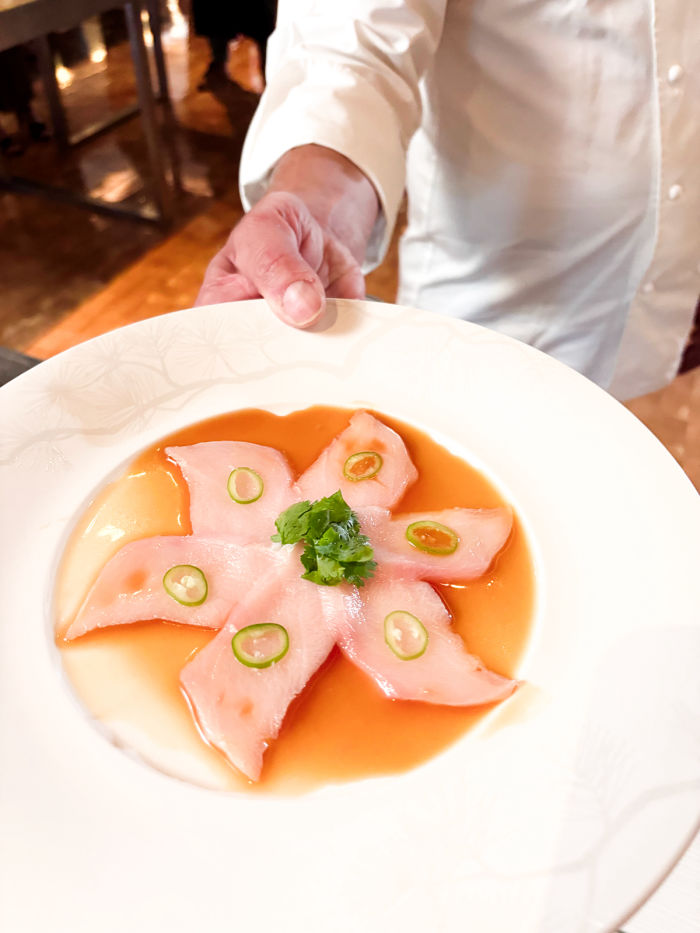
In March 2025, he visited the Philippines and hosted a special two-night omakase dinner at his eponymous restaurant and again in October 2025. He served his signature Japanese-Peruvian fusion dishes like shima aji jalapeño and hirame tiradito.
According to him, he likes exploring new techniques in cooking, making his cuisine multi-layered as opposed to one note.
“I am always exploring new techniques and ingredients to continue evolving Nobu’s cuisine. At the same time, I never force innovation. The best ideas come naturally—from traveling, from experiencing new cultures, or from working alongside my chefs in the kitchen,” he said in an interview with GMA Lifestyle.
Chef Nobu grew up in Saitama, Japan. Recalling his childhood, one of his fondest memories was his mother and grandmother preparing breakfast for their family. His bedroom was a few steps away from the kitchen and he would smell freshly cooked miso soup upon waking up. But his most memorable meal was his mother’s sushi.
“My most memorable meal is still my mother’s handmade sushi,” he said.
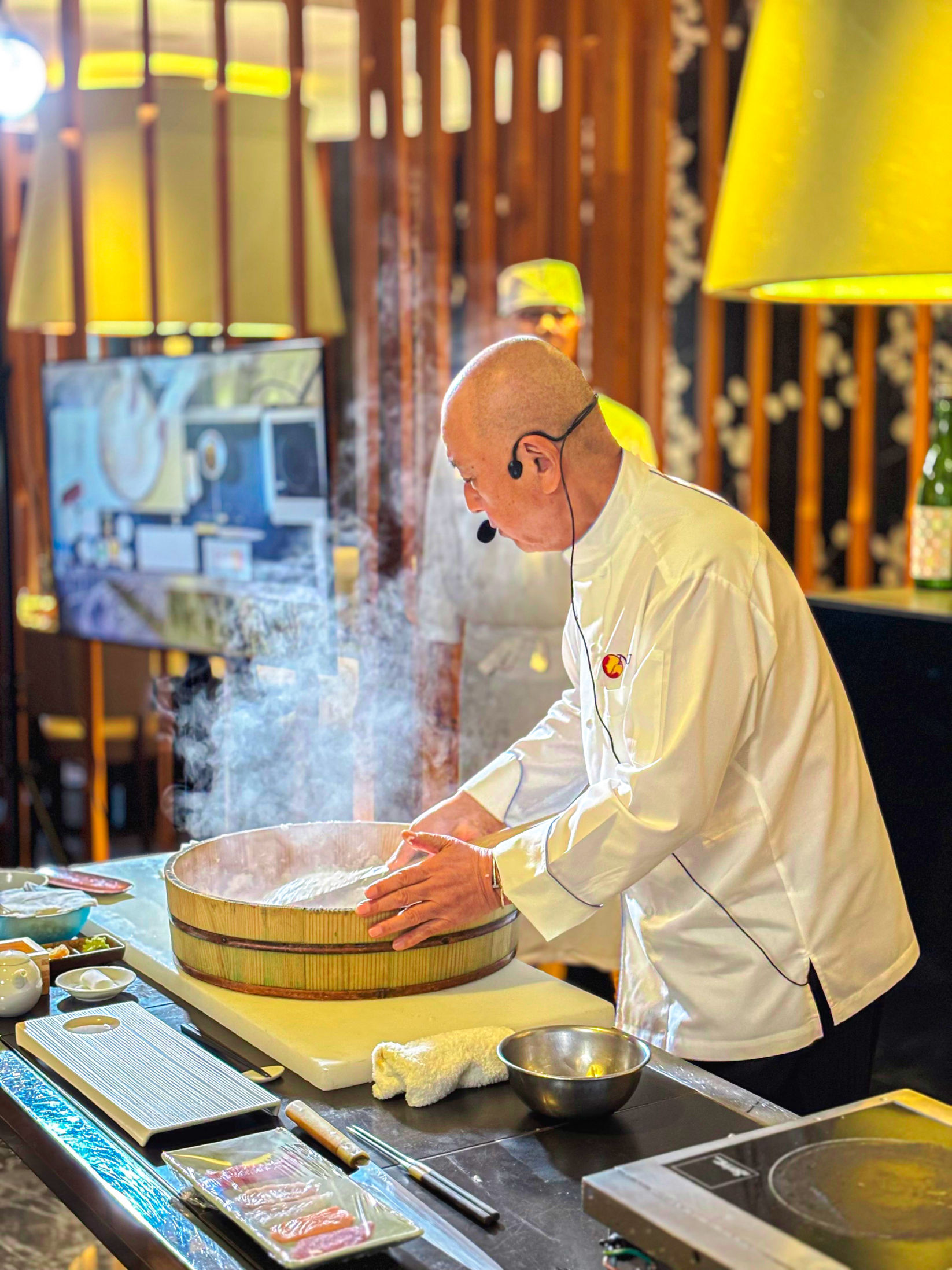
He was around 10 years old when his brother brought him to a sushi restaurant for the first time. He recalled that they sat at the counter and watched how the chefs prepared the sushi and handed them “piece by piece”. It was at this moment that he realized he wanted to be a chef.
At 17 years old, he started working in a restaurant called Matsuei-sushi. He was tasked to do the dishes and deliveries before becoming an assistant to the chef. This is the restaurant where he learned how to make sushi.
“I learned the value of patience and hard work. For the first three years all I did was wash dishes and do deliveries. One day, one of the chefs gave me a broken knife and told me if I could fix it then I could keep it. I managed to fix the knife and when I showed the chef, he took it back from me and just said ‘thanks’. Eventually I became an assistant, but it took lots of time,” shared the 76-year-old chef.
Working at the restaurant opened doors for Chef Nobu. He met a customer who offered him a job in Peru. He accepted the offer because, according to him, he wanted to travel like how his father did.
In Peru, he was able to explore various flavors, different from what he grew up with in Japan. He combined Japanese and Peruvian cooking techniques like experimenting with dishes like ceviche—raw fish cooked in acid. After Peru he then found himself opening a restaurant in Anchorage, Alaska. It became a success. However, on the 50th day of operations, this restaurant burned to the ground.
“That was the darkest time of my life. I had lost everything, and I truly thought about killing myself. It was my wife and daughters that helped me through that time. After that I have always tried to keep going, even just a millimeter forward. I learned patience and to never give up,” Chef Nobu recalled.
He then moved to Los Angeles, California, and in 1987, he opened a restaurant called Matsuhisa. This small restaurant became popular among the residents of L.A. including celebrities. This is where he met Robert De Niro who asked if he was interested in opening a restaurant in New York. While Chef Nobu initially declined the offer, it took years before he finally accepted the proposal and because of Robert De Niro’s persistence. They then opened a restaurant in Tribeca under the Nobu name. Chef Nobu’s approach to cooking, however, was met with resistance.
Japanese cuisine is deeply rooted in tradition. It will take years for a new chef to learn the techniques before mastering the art of Japanese cooking.
“Japanese cooking is based on simplicity, respect for ingredients, and seasonality. In Japan, we believe that each ingredient has its own natural beauty, and my role is to highlight it. Omotenashi, the Japanese concept of hospitality, is also very important. Every detail is important to make sure guests are welcome and cared for,” Chef Nobu said.
Chef Nobu’s style of cooking is not purely Japanese because of his Peruvian influences. He would use jalapeños and citrus in raw fish and serve it sashimi style. He drenched raw fish with hot oil simply because a customer does not eat raw fish. He applied ceviche preparation techniques in serving sashimi using acid like yuzu and lemon with salt and chili instead of soy sauce and wasabi. He calls this approach, “Nobu Style”. Purists were unsure of this technique at first.
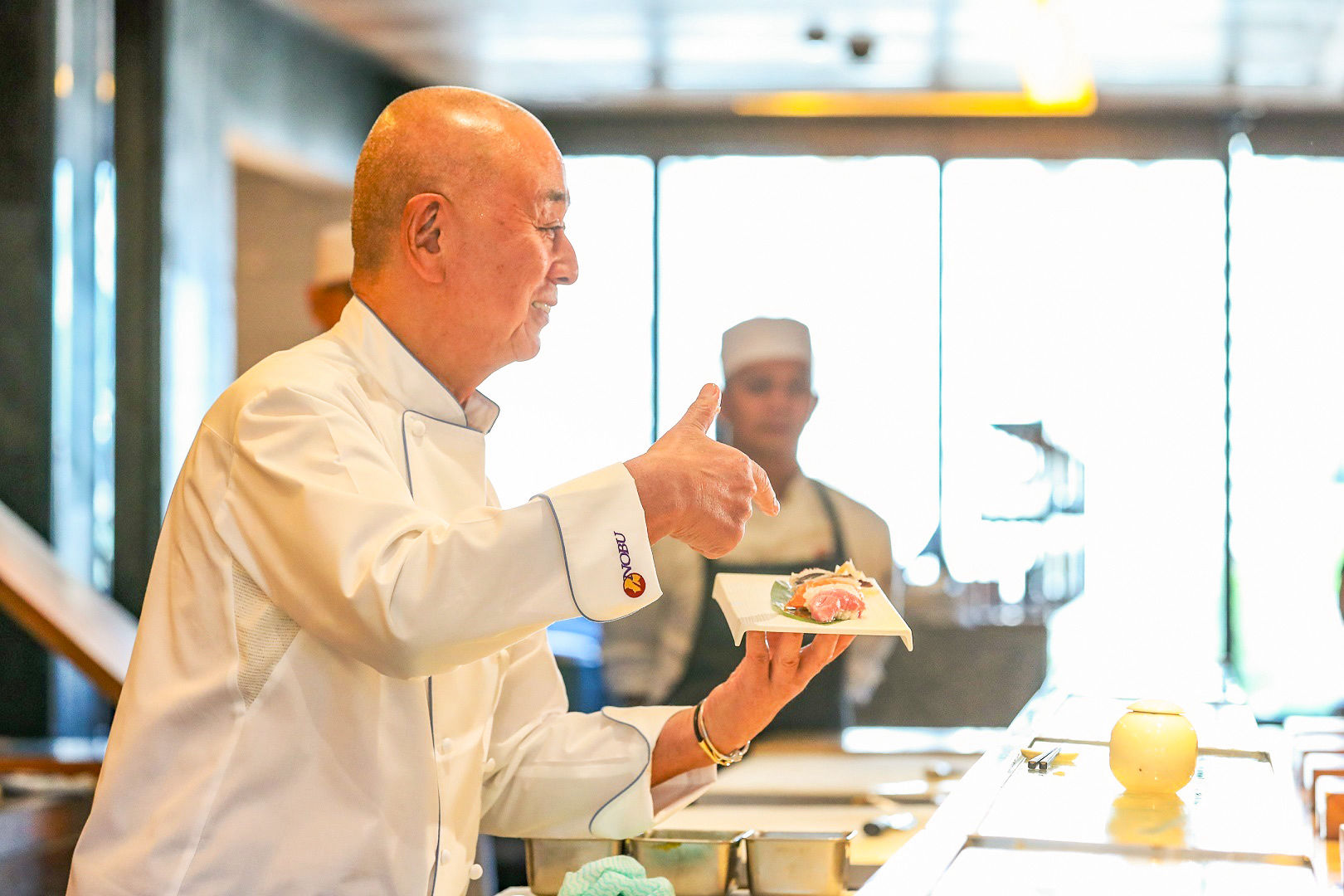
“My approach comes from my journey and experiences. When I lived in Peru, I discovered new ingredients and techniques that I had never seen in Japan—like ají amarillo, cilantro, and ceviche. I didn’t want to change Japanese cuisine, but rather enhance it by incorporating these flavors in a way that felt natural,” he explained.
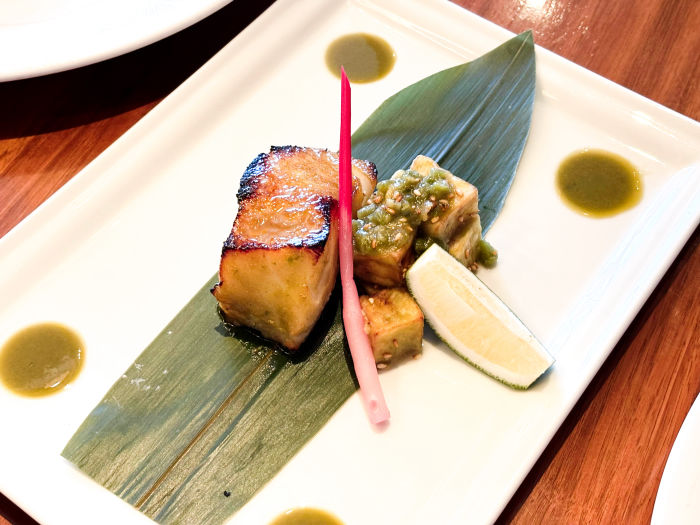
One of his signature dishes is the white fish tiradito—slices of white fish placed on a plate flavored by salt, yuzu, and lemon and topped with slices of chili. Another signature dish, one of his most popular creations, is the black cod miso. The dish uses a traditional Japanese technique of marinating the fish in sake, miso, and other ingredients.
For Chef Nobu, one of the most challenging parts in operating a restaurant is being consistent. Restaurants need to be consistent when it comes to service and the food they serve.
“The most challenging part is maintaining consistency while constantly evolving. Food is like fashion—new food trends, changing expectations, and global challenges. It is important to adapt to these obstacles, but still stay true to core values,” he shared.
Several Nobu restaurants have received Michelin stars in the past like Nobu London and Matsuhisa Beverly Hills. While receiving Michelin stars is an honor for Chef Nobu, the customer’s satisfaction is the topmost priority in his restaurants.
“To receive a Michelin star is always an honor, but I have never been very focused on awards or prizes. For me, I always say that walking into a restaurant and seeing all the guests smiling, and hearing the sound of laughter and good times, is the best feeling. When I see happy faces, I know we have done well,” he said.
The Michelin is announcing its first guide in the Philippines soon and he is excited to see Filipino chefs finally getting recognized.
“A Michelin star is a recognition of the passion and dedication that chefs and their teams put into every detail. It is about creating an experience that guests will remember. It is great that local Filipino chefs may gain international recognition now,” he said.
As a chef that has been in the industry for decades, he advises aspiring young chefs to not be afraid to make mistakes and never lose that passion in cooking.
“Always do your best. Don’t be afraid to make mistakes and remember to learn from them. Think from your guests’ point of view, and never lose passion for what you do,” Chef Nobu said.
Producer: Angelo Garcia, Layout Design: Alvin Lacabra
Special thanks to Charisse Chuidian and
Romina Gervacio of City of Dreams Manila