

 GMA Brandtalk
 Tracking
 Archives

ADVERTISEMENT
Filtered By: Lifestyle
Lifestyle
Archaeologists unearth ancient Greek palace near Sparta
+
Make this your preferred source to get more updates from this publisher on Google.
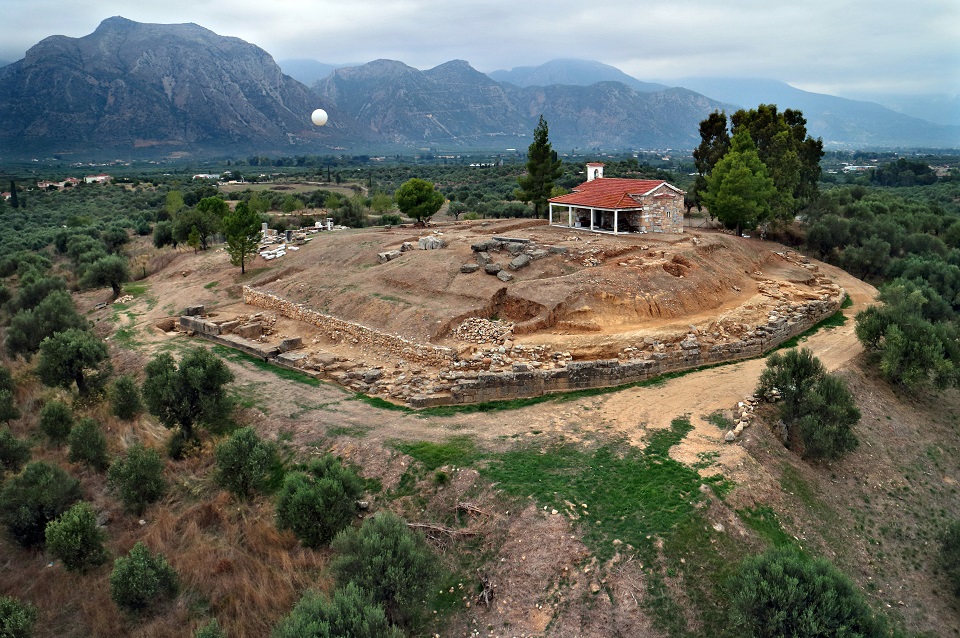
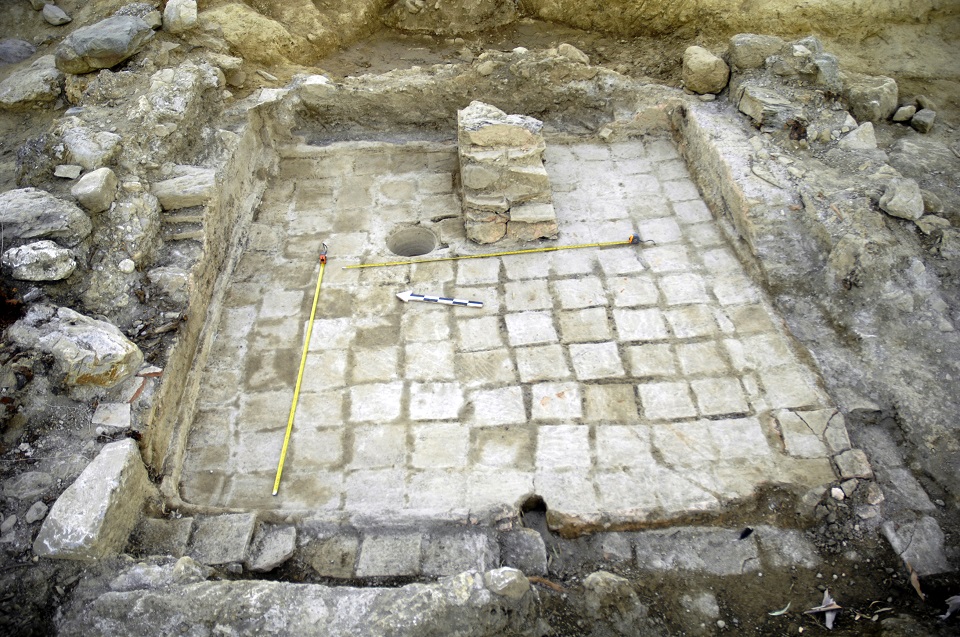
Handout photos (above, and below) released by the Greek ministry of Culture on August 25, 2015 show the excavations site with remains of a palace of the Mycenaean period (17-16 century BC.), bearing important inscriptions in archaic Greek, discovered near Sparta in the Peloponnese region of Greece. AFP PHOTOS/Ministry of Culture/Gesafidis Xenikakis
The palace, likely built around the 17th-16th centuries BC, had around ten rooms and was discovered near Sparta in southern Greece.
At the site, archaeologists found objects of worship, clay figurines, a cup adorned with a bull's head, swords and fragments of murals.
Since 2009, excavations in the area have unearthed inscriptions on tablets detailing religious ceremonies and names and places in a script called Linear B, the oldest script to be discovered in Europe. It first appears in Crete from around 1375 BC and was only deciphered in the mid 20th century.
According to the culture ministry, more than 150 archaeological excavations were have been carried out in Greece so far this year, "demonstrating the importance of the archaeological wealth and cultural heritage of the country." —Agence France-Presse

