

 GMA Brandtalk
 Tracking
 Archives

ADVERTISEMENT
Filtered By: Scitech
SciTech
We're turning Earth into a desert, world leaders warn
+
Make this your preferred source to get more updates from this publisher on Google.
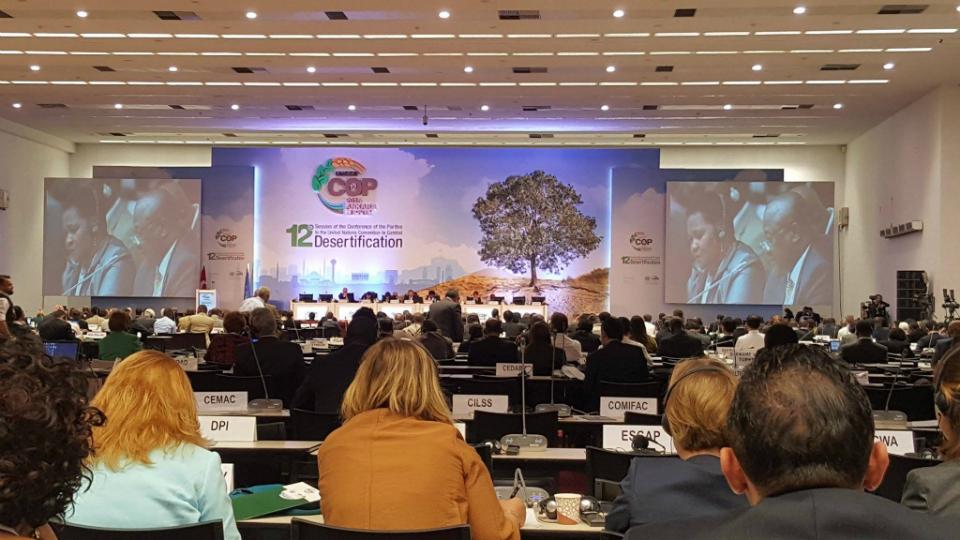
Across the board, the message is clear: Land is our life, yet we treat our land like dirt.
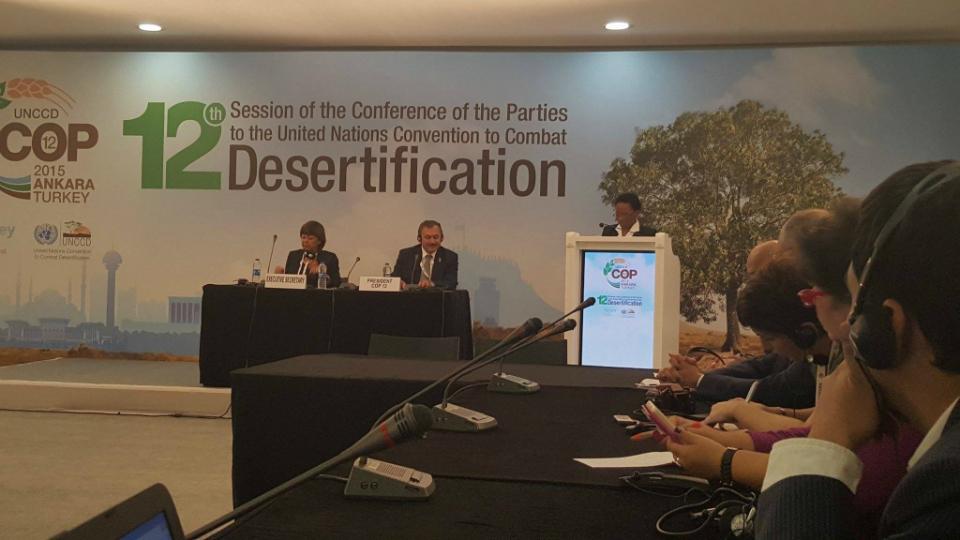
At the12th session of the Conference of the Parties to the United Nations Convention to Combat Desertification (UNCCD) in Ankara, Turkey, world leaders from 192 countries are giving priority to lands as natural capital resource.
Land degradation
“Land degradation is not only a threat to food security but also to politics. Drought and desertification can cause people to abandon their lands and migrate,” UNCCD Executive Secretary Monique Barbut said.
As of this writing, two billion hectares of our land are already degraded; 500 million hectares of these lands are abandoned agricultural land.
But a bigger threat looms with the gradual degradation of soil: desertification.
According to the United Nations, desertification means land degradation in arid, semi-arid and dry sub-humid areas resulting from climactic variations and human-induced activities. The deterioration of the earth’s land is often caused by land conversion, overuse, deforestation and poor irrigation methods.
Over 250 million people are affected by desertification and drought and over four billion hectares of land are threatened by desertification. This phenomenon mostly affects dry lands in Africa and Middle East.
Even tropics affected
However, desertification can also affect tropical islands such as the Philippines. According to the UN, 78% of land degradation occurs in humid areas. Forests are continuously being damaged to meet the growing demands for food consumption, feed for livestock and fuel.
Through the intervention of the Philippines in the last COP, increasing recurrence cycle of El Niño, seasonal aridity or seasonal extreme dryness, were considered as the primary basis for the acknowledgment of desertification in the tropical countries, particularly in the Association of Southeast Asian Nations (ASEAN) countries.
According to a report published by the Department of Agriculture in 2010, inadequate and inefficient irrigation systems, increasing population and rural poverty, poor land and watershed management all contribute to land degradation.
Prof. Uriel Safrel of the Ecology Department of the Hebrew University of Jerusalem said human activities largely affect land conversion.
“When precipitation is low and evaporation is high, the soil gets less water. Less water means less productivity,” Safrel said.
Everything rests on the quality of land we have, including food sovereignty, water, migration and development.
Philippine situation
At the global level, two hectares of soil are converted every minute due to rapid urbanization. But in the Philippines alone, some 38% or 11.4 million hectares of soil are already moderately to severely degraded.
In May, the Philippines had placed eight provinces under a state of calamity due to drought caused by the El Niño.
In Ilocos Norte, for example, more than 1000 farmers were affected by drought, drying up over 645 hectares of farmlands.
UNCCD goals
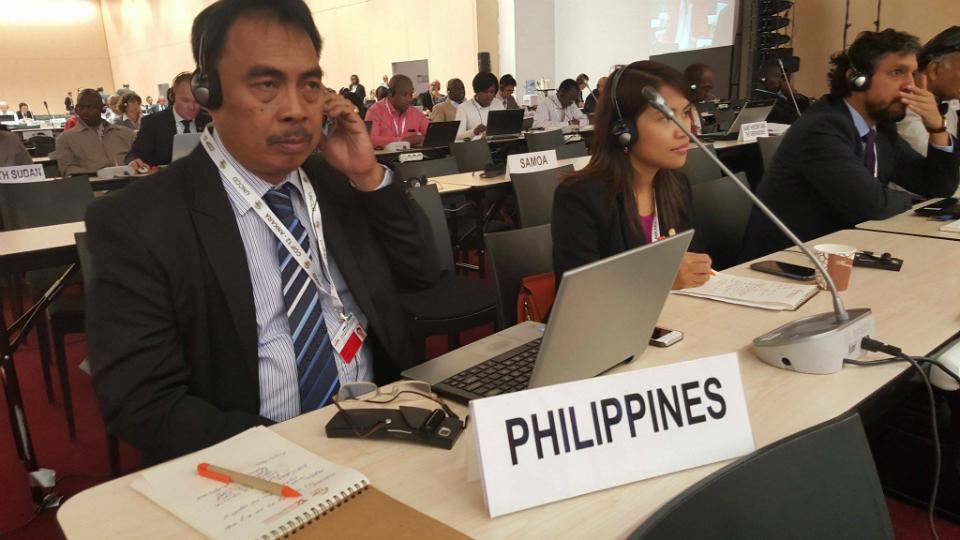
The UNCCD COP12 aims to develop policies and guidelines toward land degradation neutrality across the globe by 2030. If the land protection policies towards land degradation can be achieved, 500 million hectares of degraded land can be restored every year.
On October 15, Dr. Tejada Silvino of the Department of Agriculture- Bureau of Soils and Water Management is set to deliver a discussion of “Drought Risk Management policies for Sustainable Development.” — TJD, GMA News

