
 GMA Brandtalk
 Tracking
 Archives


Scientists, community leaders to map out coordinated El Niño response
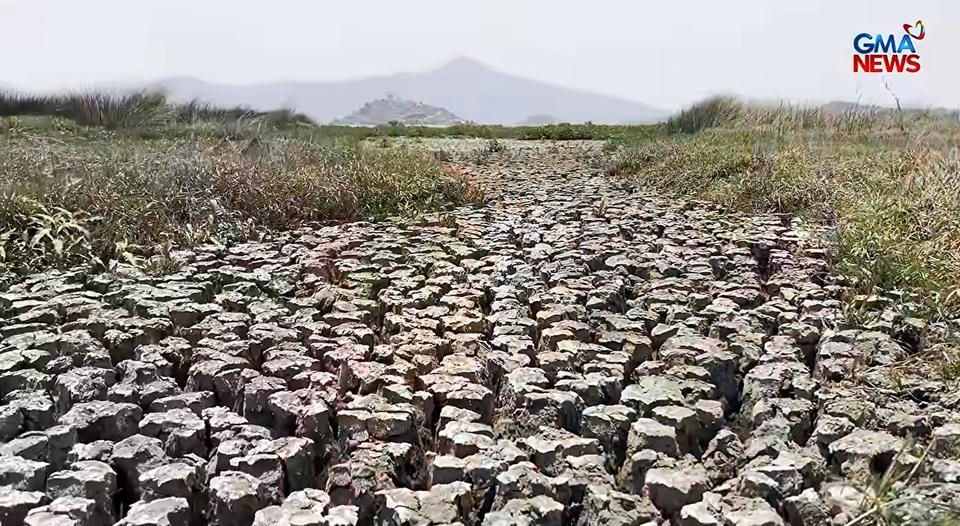
Academicians, scientists and community leaders from across the country will participate in the National Multi-Stakeholder Consultation on El Niño Impact and Response on 20 and 21 November 2026 in Diliman, Quezon City.
Organised by the University of the Philippines and the Natural Resources Development Corporation (NRDC), this event aims to strengthen national preparedness and develop a coordinated, science-based and action-oriented response to the risks posed by El Niño.
The principal expected outcome is a National Multi-Stakeholder El Niño Response Action Matrix, matching priority needs with concrete voluntary interventions, named leads and partners, timelines, performance measures and reporting arrangements. The matrix will be consolidated into a report for submission to President Ferdinand R. Marcos Jr.
What is distinctive in this approach is the involvement of community leaders who will have a direct role in validating whether the proposed interventions are relevant, accessible and feasible. Community representatives, including learners and their families, farmers, fisherfolk, indigenous peoples, persons with disabilities, barangay officials and other affected communities, will discuss their needs and local capacities.
Judge Benjamin D. Turgano (Retired), president and CEO of NRDC, said: “No government alone can shield our people from the impacts of El Niño — this is a challenge that demands Bayanihan. We call on every sector, every community, and every Filipino to help the government and unite behind a science-informed response that puts the poor and the most vulnerable at the very heart of our collective action".
Dr. Alfredo Mahar Lagmay of the UP Resilience Institute and Project NOAH, will discuss the science of El Niño and its anticipated impacts on the Philippines. A team from the Department of Science and Technology–Philippine Atmospheric, Geophysical and Astronomical Services Administration (DOST-PAGASA), led by Ana Liza S. Solis will present the climate outlook and geographic risk assessment.
The programme includes a sharing of lessons from previous El Niño episodes, featuring academicians, scientists and researchers from the UP College of Engineering, UPLB School of Environmental Science and Management, Silliman University and Davao Oriental State University.
A scientific dialogue will examine who is most at risk and where they are located. Government agencies will identify priority populations and geographic areas, existing interventions and capacities, operational gaps, and areas requiring partnership support.
The consultation will focus on education continuity in basic and higher education; health protection and social service continuity; and food security and agriculture.

