

 GMA Brandtalk
 Tracking
 Archives

ADVERTISEMENT
Filtered By: Lifestyle
Lifestyle
Beyond 'Gangnam Style': A brief guide to the world of KPop
Psy's “Gangnam Style” became a KPop anthem that topped YouTube's 1 billion views benchmark, but did you know that the huge hit is a rarity in the industry?
To educate you in the ways and staples of the genre's mainstream groups, we've compiled a list about the basics of KPop and its quirks.
Pop star training, you must undergo
Unlike superstars who often shoot to fame, South Korea's aspirants to musical stardom must pass an audition, then sign a trainee contract, and only then can they graduate to becoming a mainstream KPop “idol”. The apprenticeship curriculum not only includes dancing and singing, but also covers other aspects of being an entertainer such as acting, modelling, hosting, and even foreign languages like English, Japanese, and Mandarin.
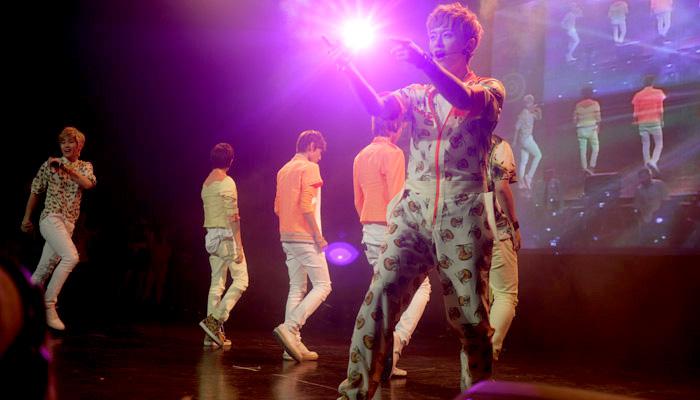
Boyfriend in performance at Hallyu Fest 2012. Photo by Analyn Perez
This is in lieu of making a KPop star an all-in-one package. Training usually lasts for a couple of years, but there are lucky exceptions who make their debut with only a few months or with no training at all – like Super Junior’s youngest member Cho Kyuhyun, who joined Super Junior on pure talent and zero training. KPop groups also have designated leaders who is chosen by age or by seniority. They must then serve as the ambassador and spokesperson of the group. Meanwhile, "maknae" is the title given to the youngest member of the group, much like how Filipinos call the youngest the "bunso". A group’s "maknae" is considered just as important as the leader because of his/her adorability factor.
The big three and more
Music labels and entertainment companies in Korea drive the economy more than car sales do. The following companies have churned-out the most famous KPop stars that have eventually become giant on the world stage.
YG Entertainment: Founded by former Seo Taiji and the Boys member Yang Goon, most YG talents focus on keeping the spirit of spunkiness in hip-hop. The most notable YG talents are BIGBANG, 2NE1 and Psy.
JYP Entertainment: JYP are the initials of the company's founder Park Jin Young. JYP has produced talents such as Rain and the Wondergirls.
Other companies and their KPop stars include CJ E&M’s Kim Hyun Joong, Woolim Entertainment’s Infinite, NH Media’s UKISS, Cube Entertainment’s “Gangnam Girl” Kim Hyuna, and TS Entertainment’s B.A.P. (who last month shot their latest music video in Manila).
The seniority rule
Koreans are particular about age and seniority. Groups are classified according to the year they debuted and are classified as such.
First Generation Idols: KPop bands that debuted in the 90s, including the ones that started the modern KPop trend like Seo Taiji and Boys in 1992. But it was only in 1997 when H.O.T. started the Idol fever.
Second Generation Idols: These groups debuted during the early to mid 2000s. Not surprisingly, these bands are at their peak now.
Third Generation Idols: Bands who debuted beyond 2009.
Size Matters
Groups can number from as few as two members to as many as 13. Memorizing a single Korean, tongue-twisting name can be wearisome, but try it with nine or even 13 names. No matter how big or small a group is, from time to time they create a smaller sub-unit. Said sub-units may be members of the same group or a collaboration with other groups from the same label.
Super Junior’s K.R.Y., Girl’s Generation’s TaeTiSeo and the sexy ladies of SISTAR19 from the group SISTAR are all examples of sub-units.
Know your colors
Men wear pastel outfits and fans take pride in donning the same colors – sometimes they even fight for it. If you are a ShaWol (SHINee fan), then Periwinkle Blue flows through your veins. Official fanclub names are also closely associated with their idols. See how BEAST has their “Beauties.”
The purpose of wearing fan colors is to identify where a fan club during the annual “Dream Concert” in S. Korea, so the groups singers can exhibit maximum attention to their followers. At concerts though, performances can turn into an ocean of lights.
Other bands use symbols to mark their fan club such as the use of handheld prop crowns by BIGBANG’s V.I.P. fan club.
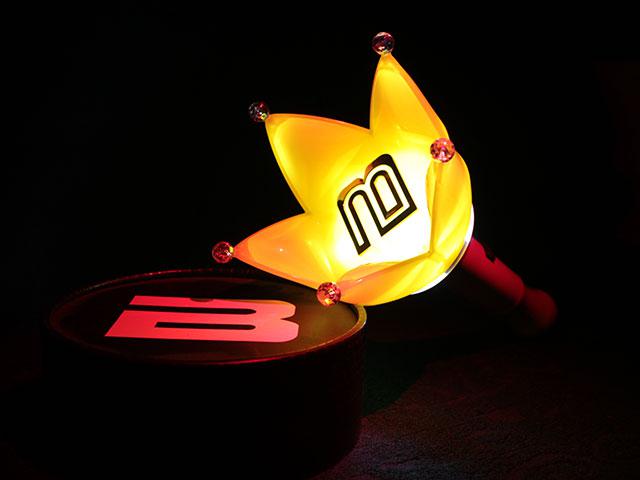
BIGBANG'S VIP fan club uses handheld crown props as a gesture of fan love.
Fan services
In KPop concerts, fans shower their idols with gifts thrown onstage. While hard and sharp objects are never allowed, stuffed toys, towel fan banners, and even soft gummy candies usually litter the stage. In shows abroad, fans throw specialties and novelty items indigenous to that country. During the Super Junior concert in the Philippines, some ELFs offered dried mangoes and buri hats to the group's members.
To return the adoration, these groups often make gestures of fan service in concert like heart throws or taking a selca using a fan’s phone camera. Some fan services are extreme (and are also banned in conservative countries). Take skin-shipping; this is the same-sex pairing of idols done by their fans (similar to the Japanese yaoi affectation), even though they are totally straight men.
In a patriarchal society like S. Korea, homosexuality is still a taboo topic, but it is okay to show chaste kissing and hugging among men. Fans and even the stars themselves can rate how popular they are by how seldom they are “shipped.”
You need haters, too
Strange as it may sound, KPop stars also thrive on their haters – people who despise the group or a particular member so much that they go out of their way to make their feelings known. Some anti-fan movements have been known to be so extreme that an idol star is forced to leave the country.
Even before “Gangnam Style” became a phenomenon, KPop artists have already been conquering foreign shores, making a particular industry dent in China, Japan and some parts of the US. Many of these artists make local language versions of their names and their songs, which is part of an idol’s training in a foreign language.
In China, Super Junior M takes the lead spot as the top Korean artist in the country. In 2008, Rain topped the poll for "Time Magazine’s" Most Influential People; not bad for a guy whose main claim to fame in the West is the titular role in 2009's "Ninja Assassin." -- KDM/KG, GMA News

