

 GMA Brandtalk
 Tracking
 Archives

ADVERTISEMENT
Filtered By: Lifestyle
Lifestyle
Art review: ‘Somewhere Out There’ is a utopia at KCC Philippines
+
Make this your preferred source to get more updates from this publisher on Google.
We have our own idea of paradise. It may be having grand material possessions, or living the philosophy of Marxism, but when we bring our paradise into the real world, it can possibly turn out to be someone else’s definition of misery.
Through their art, seven Filipino and Korean artists expressed what utopia is to them at the 2015 Philippine-Korean Contemporary Art Exchange Exhibition.
Their visions are contrasting. In Christopher Zamora’s “Sing Along,” his personal utopia is drowning in the endless rhythm and noise of rock and roll.
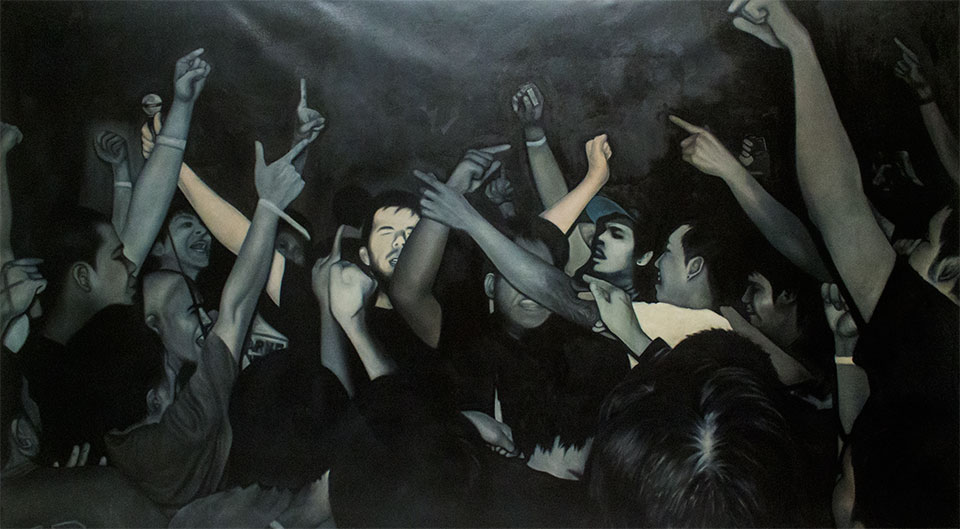
'Sing Along' by Christopher Zamora (152 x 274cm - oil on canvas, 2011)
In Hong Soun’s “Sochi,” trees that appear to be covered in snow purify our inner clutter. Peace in nature can recharge our bodies, minds, and even our souls.

'Sochi' by Hong Soun (240 x 400cm - oil on canvas, 2013)
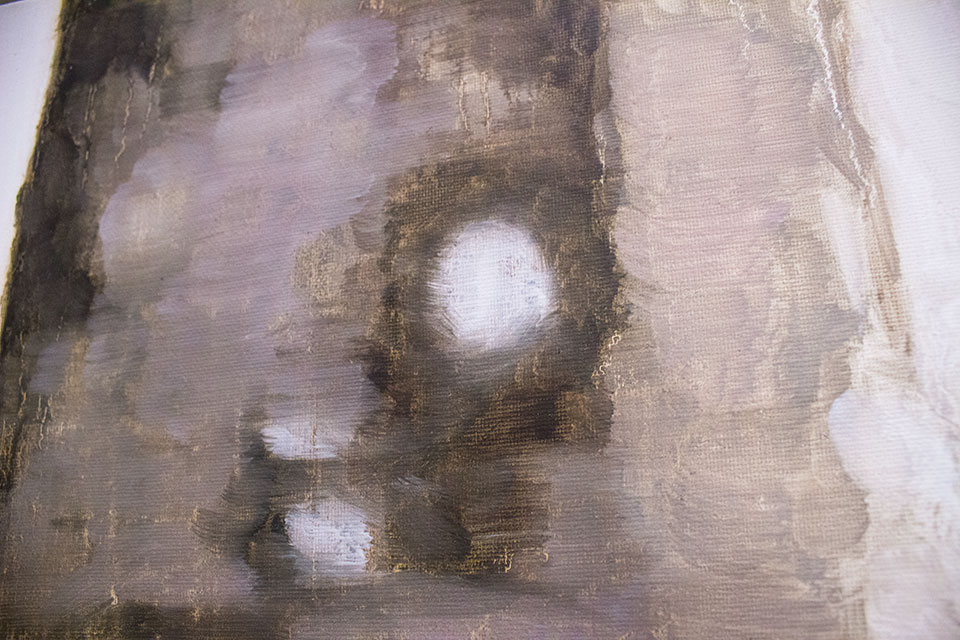
'Sochi' detail
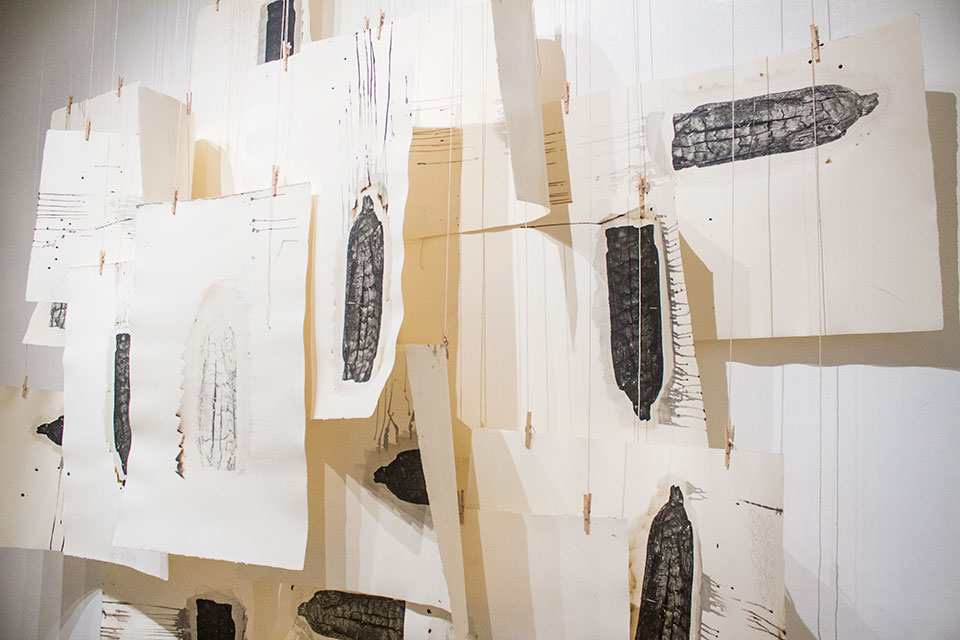
'Una at Huli' by Eric De Leon Zamuco (dimensions variable - photo emulsion and graphic on paper, 2007)
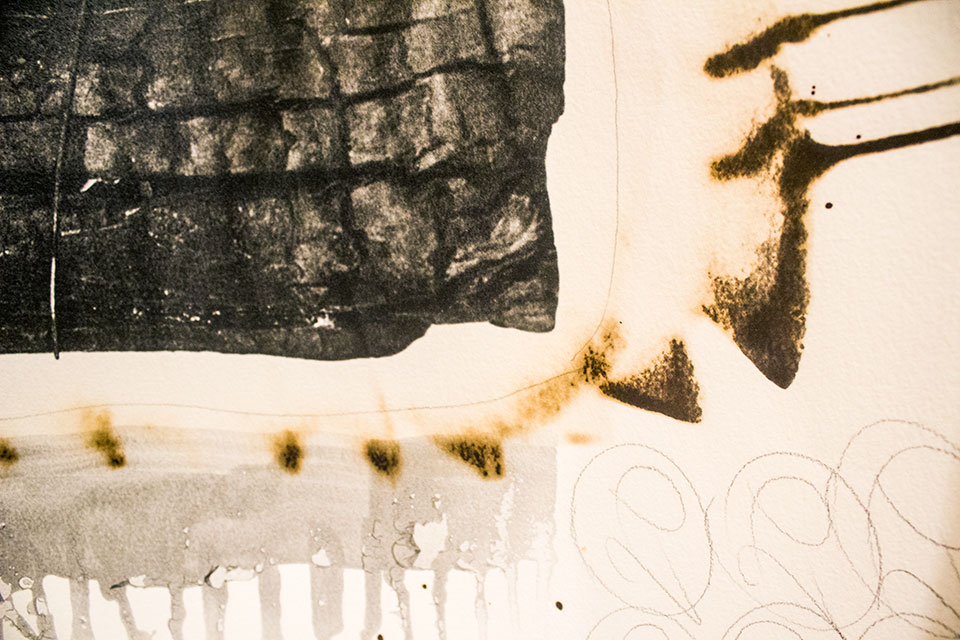
'Una at Huli' detail
“Let’s imagine a home that can possibly imagine us back.”
Maybe paradise is already the world we live in.
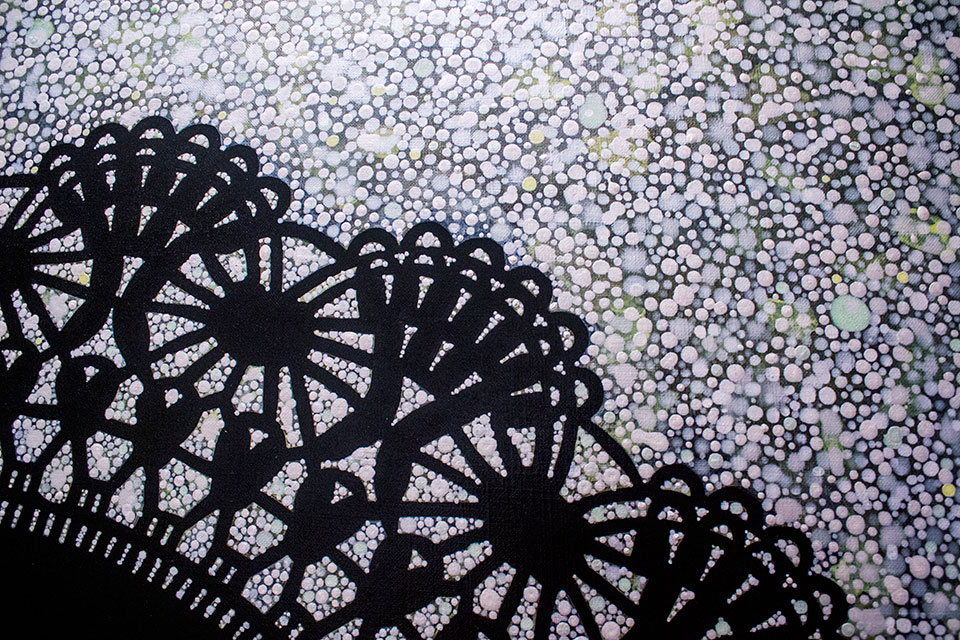
Consumerism can make us forget who we are. Manila’s daily grind is the chosen topic in “Trifling Moment” by An Se Eun. We often forget that beauty is in the small details of the things we often throw away or take for granted, as depicted by the images produced by painstakingly dropped acrylic paint that have a mother-of-pearl finish upon closer inspection.
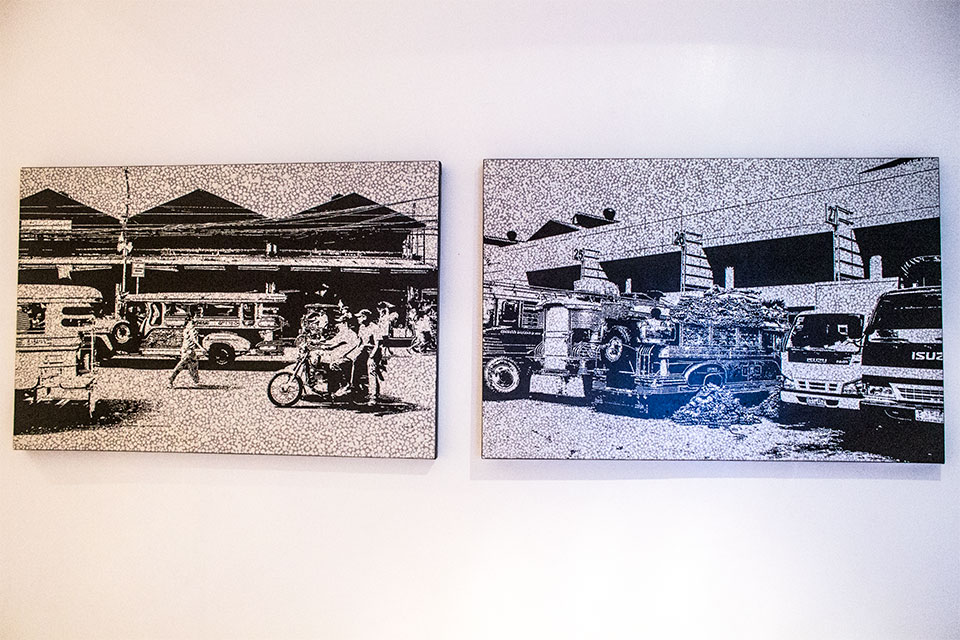
An Se Eun's choice of subject reflects the mudane things in life we often take for granted.
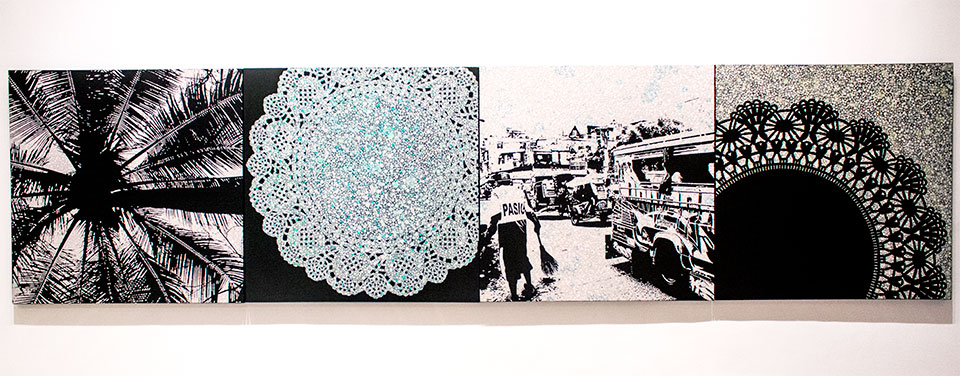
'Trifling Moment' by An Se Eun (80 x 80cm - acrylic on canvas, 2015)
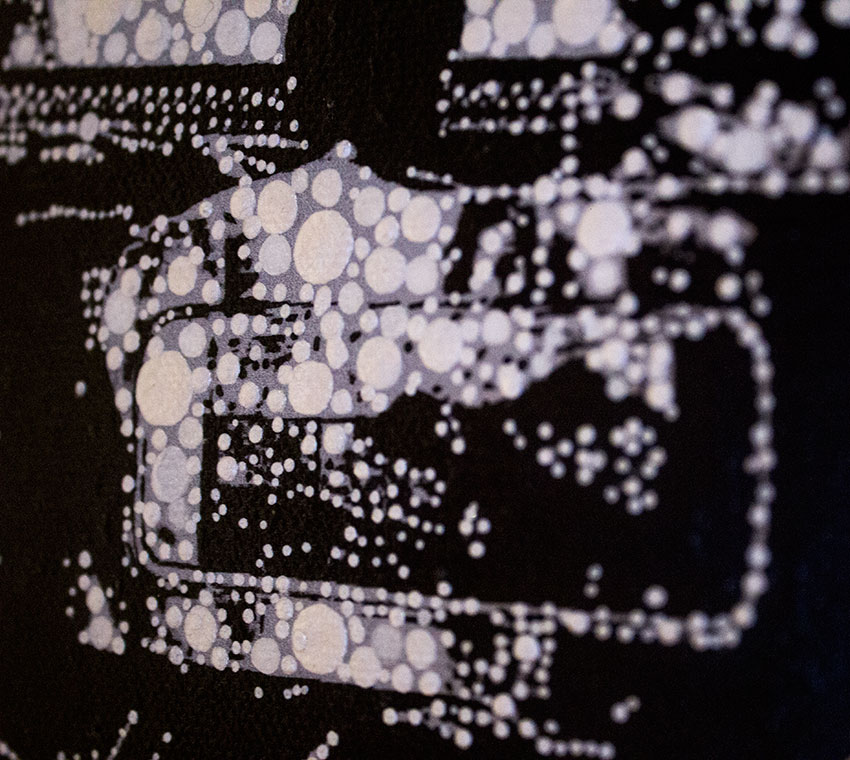
'Trifling Moment' detail
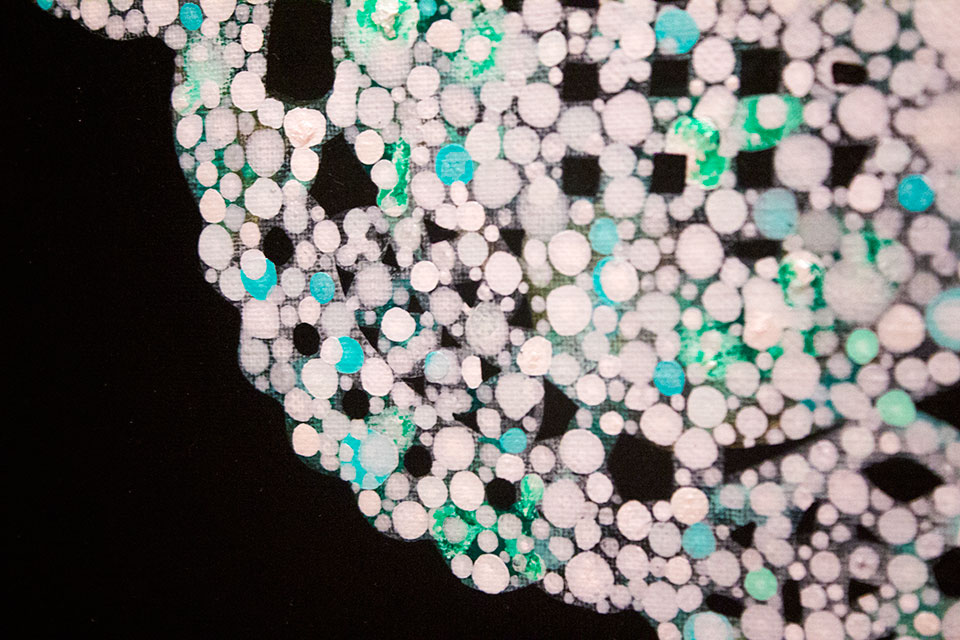
'Trifling Moment' detail
'Trifling Moment' detail
An old house and a simple plastic pool are An Gyung Su’s totem in wonderland...
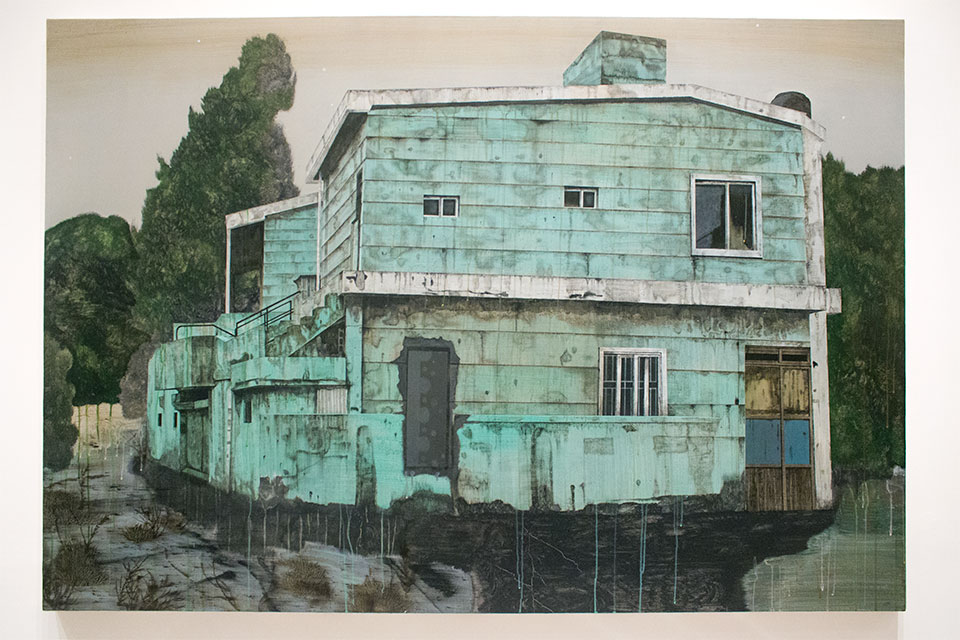
'My Old Friend’s House' by An Gyung Su (100 x 160cm - acrylic on canvas, 2013)
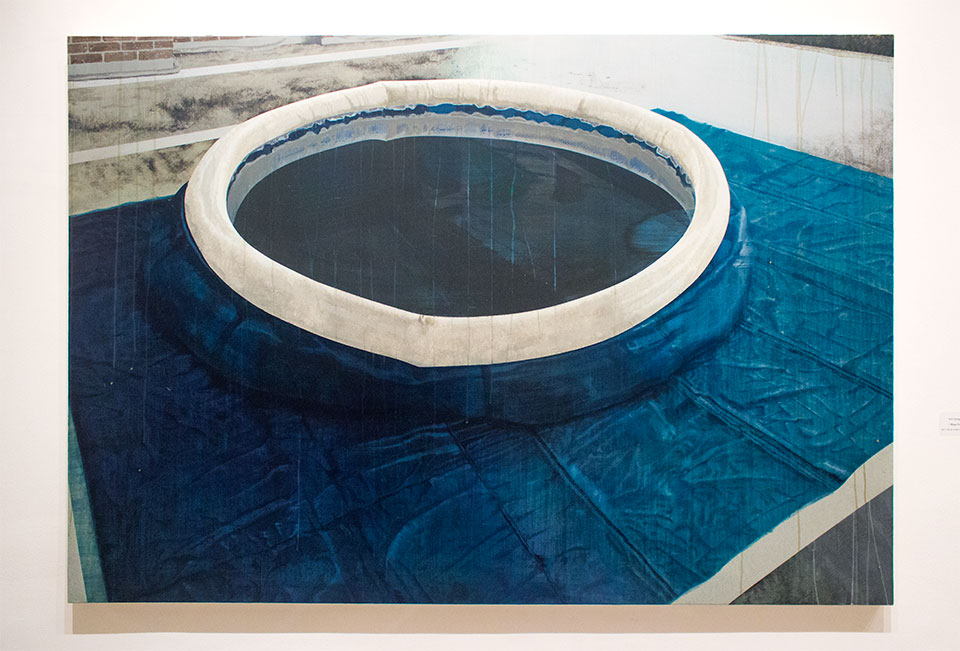
'Water Pool' by An Gyung Su (100 x 160cm - acrylic on canvas)
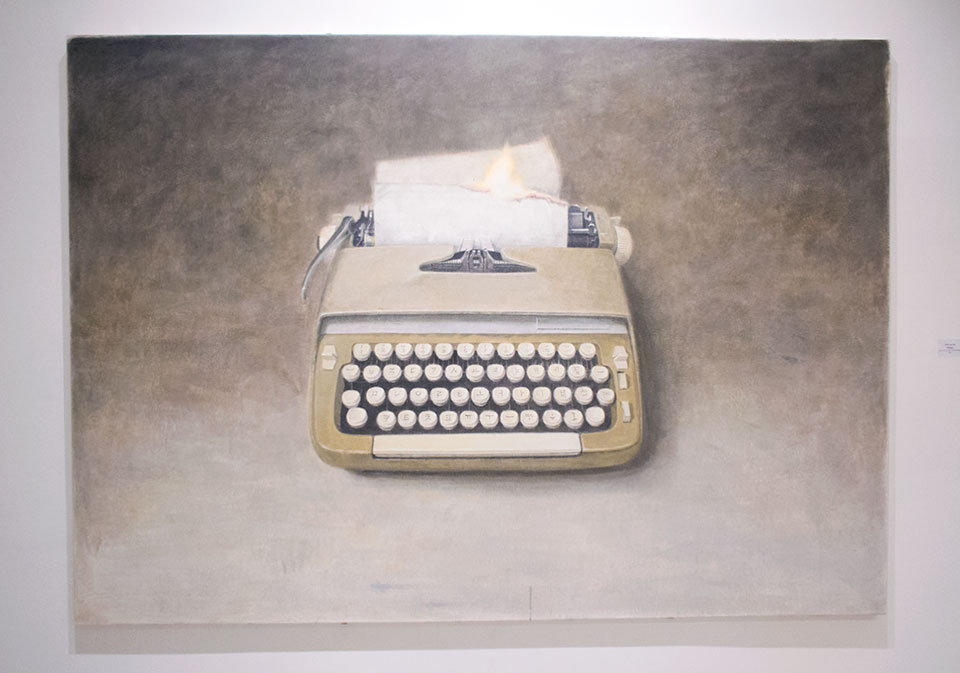
'Writing' by Jung Jae Ho (150 x 210cm - acrylic on Korean paper, 2013)
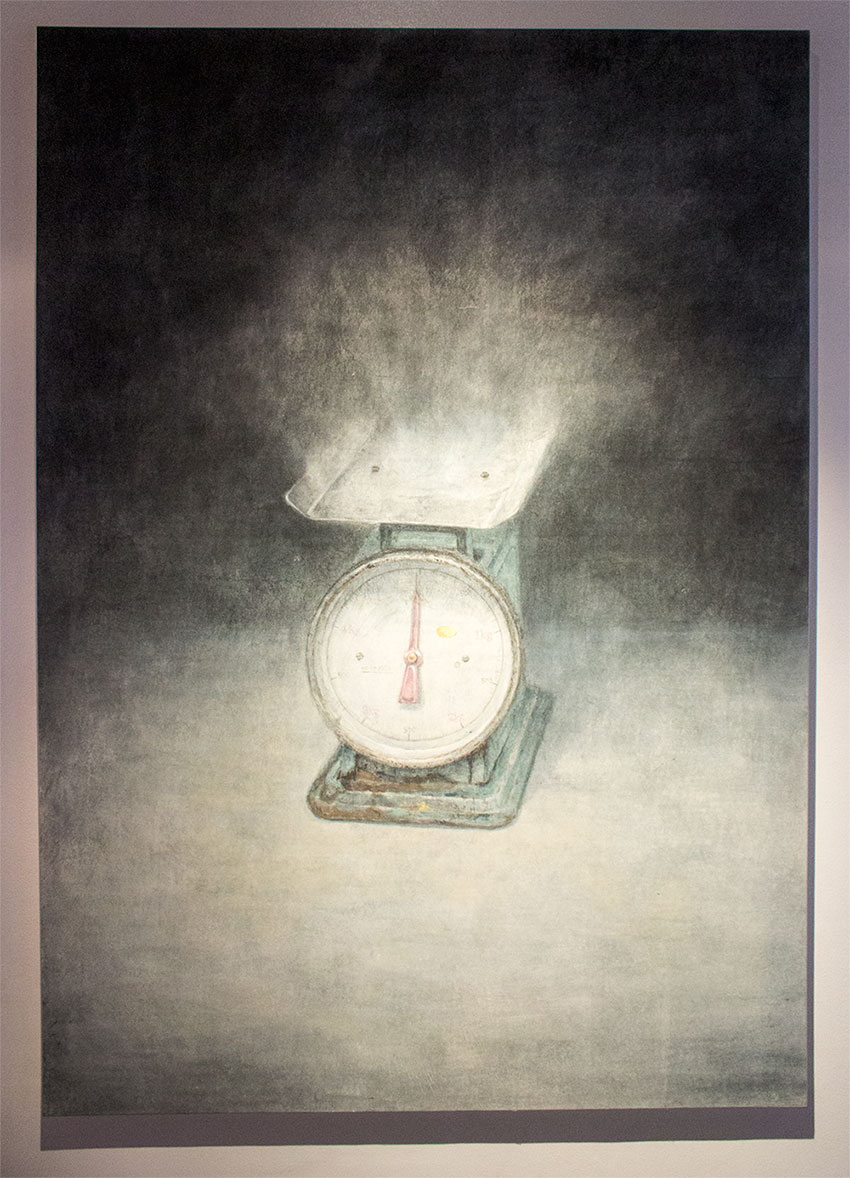
'Kilogram' by Jung Jae Ho (Acrylic on Korean paper)
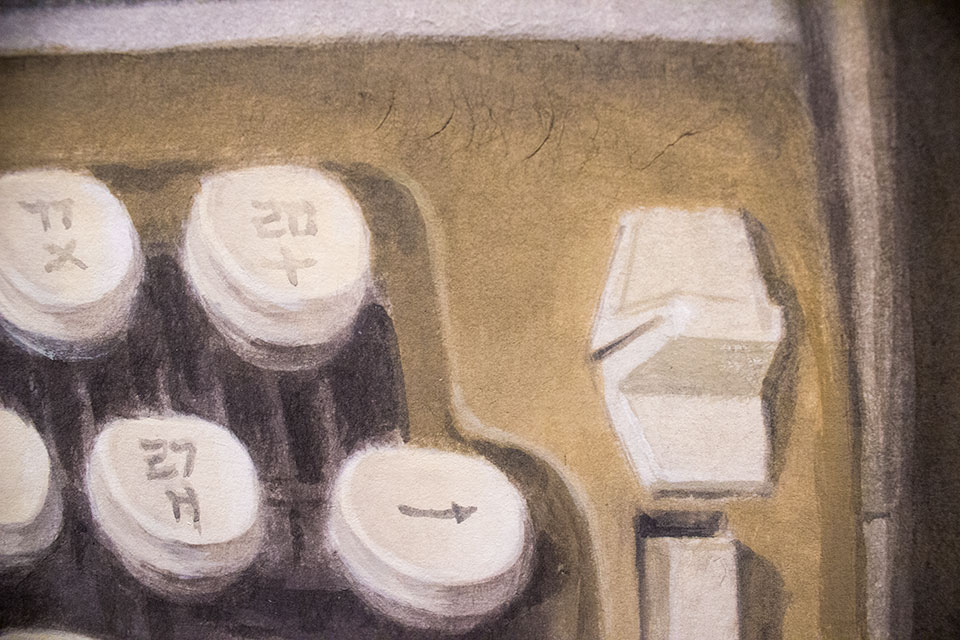
'Writing' detail
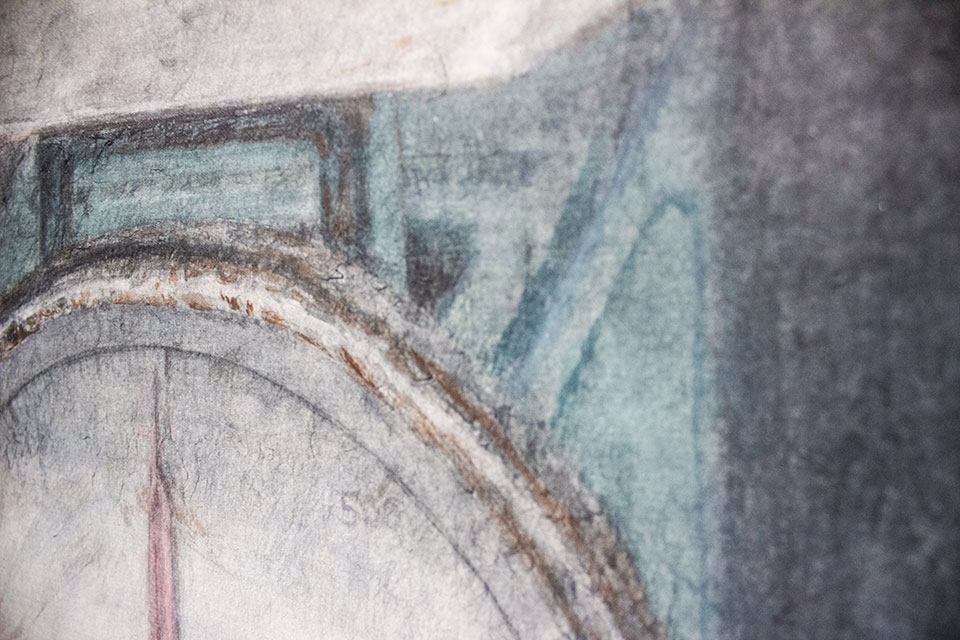
'Kilogram' detail
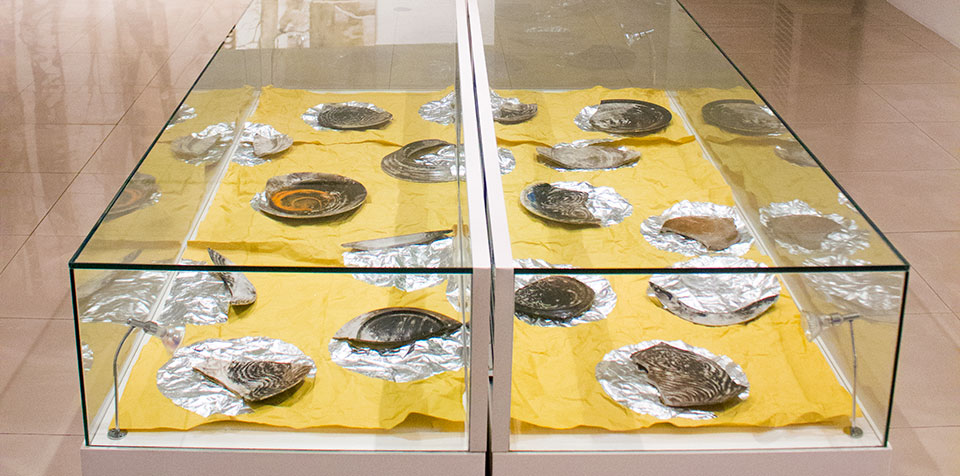
The burnt plates of 'Kain' are from an ancestral home that burned down in 2002.
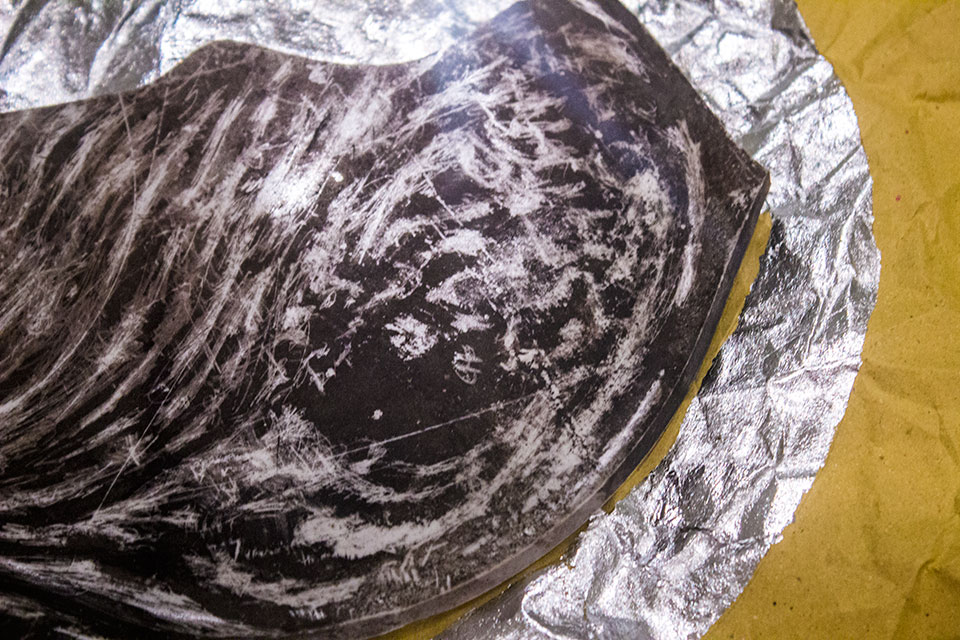
The dinner plates were etched with swirl patterns to suggest wind turbulence, Zamuco explains.
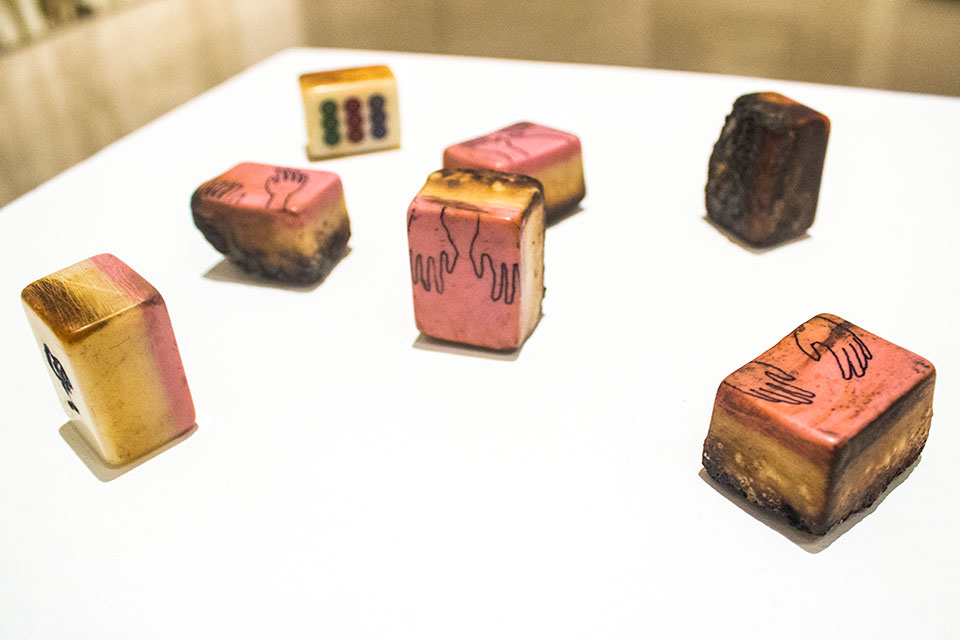
In 'Pinalad,'" the hands are reaching out to beg for luck.
Finally, the student’s notebook is revealed. Everything was in the ancient Filipino script of Baybayin. In her perfect world, the country has realized its national consciousness.
On the Korean side, the comeback of its traditional soul was established after the Japanese occupation and the Korean War. The country's cultural identity was brought back into general consciousness through restoration efforts and rediscovery of their cultural treasures. On our side, the Baybayin script is slowly creeping back into the modern times, not exclusively in academia but also through pop culture, designs, and technology.
As these artists have shown, the world may not be perfect, but it can be a place where you can be yourself, or a place you can find solace, or a realization of your true self as an individual or a citizen of your country. What’s more beautiful than that is the journey in getting there. — BM, GMA News
The 2015 Philippine-Korean Contemporary Art Exchange Exhibit is an annual event by the Korean Cultural Center of the Philippines to highlight the talents of both Korean and Filipino artists in celebration of our bilateral relationship through exchange of ideas and art. Last year’s theme celebrated our “Coexistence in Asia.”
The exhibit runs until May 27, 2015. For more information, follow KCC on Facebook and Twitter.

