

 GMA Brandtalk
 Tracking
 Archives

Hear better, do better: Loudbasstard turns three
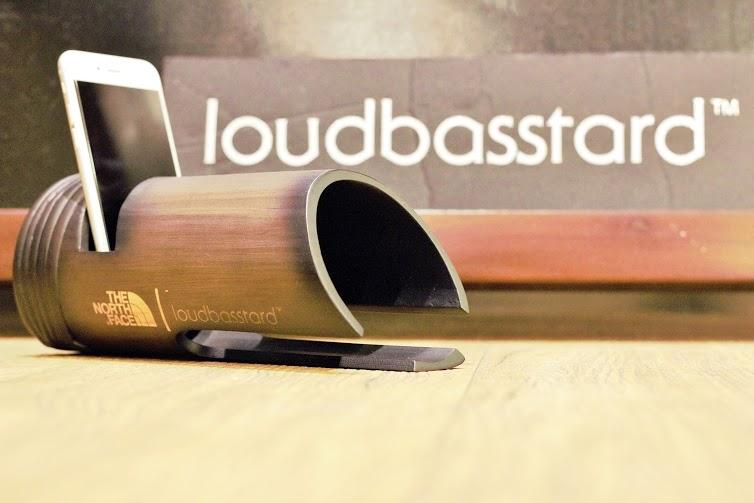
Perhaps the first time your correspondent heard of Loudbasstard, the Cebu-based company known for turning bamboo into acoustic amplifiers for electronic devices, was at the launch of Up Dharma Down’s album Capacities in 2012.
Loudbasstard’s founder Koh Onozawa still recalls that occasion, saying that he's a fan of the band. Limited-edition Loudbasstard pieces signed by all four band members ran out pretty quickly.
We next saw Loudbasstard products at one of the earliest events sponsored by the alternative lifestyle community Muni.ph, where they were door prizes.
The brand has gained some ubiquity over the years for its design and its use of bamboo’s sound-carrying properties in carrying, yes, music across the room.
“We’ll it’s been a great success since we started,” Onozawa says, three years on. “Many musicians, like Up Dharma Down, have jumped on board. And it’s not just in the Philippines; we’ve got distributors in the US and some in Japan and Europe.”
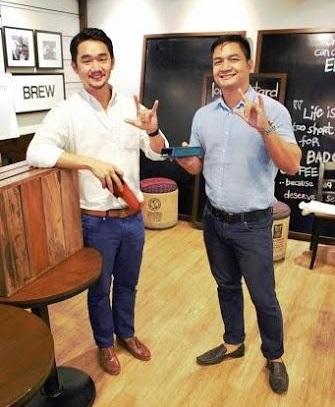
Onozawa also points out that a lot of corporate partners have come on board, putting their logos on the distinctive bamboo speaker: Krispy Kreme, The North Face, and Bo’s Coffee.
He even showed us a TEDx branded speaker, from when he did a talk on “modern-day bayanihan, with Loudbasstard as the background story, promoting entrepreneurship here with a social and environmental impact.”
The company has upped its game by launching the new Hybrid speaker, which allows smartphone users to either place the phone’s speaker on top of a sensor on the device to electrically amplify the sound, or to put it in a slot where the hollow space would boost its sound like a classic Loudbasstard would. It has been available since August, and retails for P2,900.
This emphasis on social and environmental impact, on making a difference, lies behind the new project Loudbasstard is undertaking. The Philippine Accessible Deaf Services group, an organization that aims to empower deaf people and their families, is partnering with the company for a number of initiatives.
These include entrepreneurship training for persons with disabilities (in partnership with the German government); sign-language teaching for older deaf children and parents of the deaf; and the distribution of hearing aids, a project they are undertaking with the Starkey Hearing Foundation. “It’s very hard for the deaf to assimilate into society,” Onozawa says, “and applying for jobs to companies, for example, would be very difficult.”
He emphasizes that the model they would be following here would be unique—“providing coexisting space for the NGO and the enterprise, so that we have shared ownership of the projects, both what they’re doing and what we’re doing.”
Onozawa adds that this partnership is more than a mere corporate social responsibility exercise. “We want to create a sustainable program,” he says. More importantly, the program would help them learn more about what deaf communities need. “We can quantify exactly what the social impact of this would be,” he says.
To help boost their skills, the company is also teaching them how to read and write in English, a useful skill in a city that is increasingly in touch with the world.
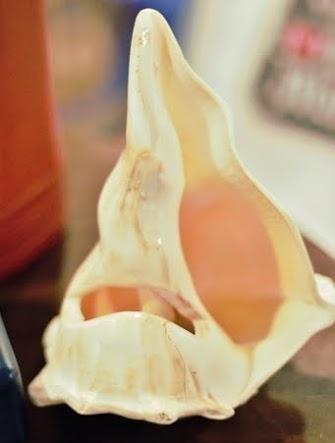
Of course, there is one more story to tell. One of their even rarer products is an amplifier that takes advantage of the acoustic properties of conch shells, whose flesh is enjoyed in the Caribbean.
Onozawa recalls visiting one Caribbean country where he saw hundreds of shells lying around, about to be buried under the sand to decompose. He offered to buy them, and now, these make some of the most interesting things Loudbasstard has to sell. It helps people to hear music better, and by doing so, helps those who cannot hear do better. — BM, GMA News

