

 GMA Brandtalk
 Tracking
 Archives

Well-loved Christmas traditions Pinoys adopted
Monito-Monita, street caroling, and Christmas ham: These are just some of the beloved traditions Filipinos observe during the holiday season—traditions that actually started out in places far from home.
Before getting the Pinoy treatment, these traditions saw their origins in Western countries, which the Philippines adopted and made into their own. You’d be surprised to know which Pinoy traditions are only borrowed:
Having ham on the Christmas table
You know it’s Christmas when there’s ham—or as Filipinos call it, hamon–on the table. More than a popular holiday centerpiece, ham is a necessity in Pinoy Christmas celebrations offered not just by meat shops but groceries and hotels alike. Usually pineapple glazed, hamon is a holiday staple served in various ways, either heated or straight from the refrigerator.
Prior to making it to Philippine seas, eating ham for Christmas—wild boar, in particular—was first practiced in Norse culture during festivals to honor Freyr, the god of peace and fertility, whose revered animal is the boar.
Christmas caroling on the streets
Once December comes, carolers start to pop up, going from house to house and singing Christmas songs in the hopes of being blessed with aguinaldo. Originally, however, singing and going around homes to spread good cheer were done separately. As the 19th century came in, specifically in Victorian England, caroling as everyone knows it was associated with Christian folk music—until Christmas became more commercialized.
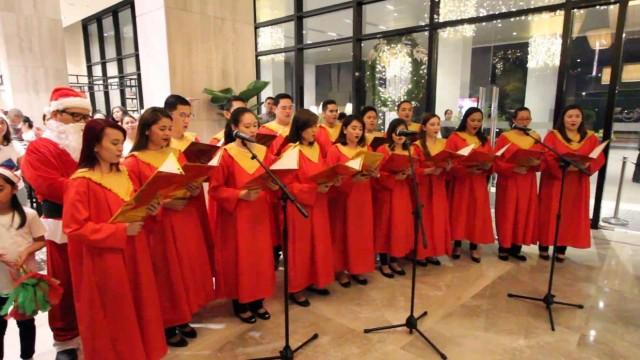
Today, Christmas carolers are everywhere: on the streets, in malls, and hotels, with people ready to serenade passersby and visitors.
Putting up a Christmas tree
A Christmas tree is arguably the most popular décor at homes during the holiday season. It is known that Christians in Germany in the 16th century first started the tradition of putting up trees in their homes during Christmas, mirroring the practice of ancient people hanging evergreen boughs during the winter solstice as a reminder that the sun god and summer will eventually return.
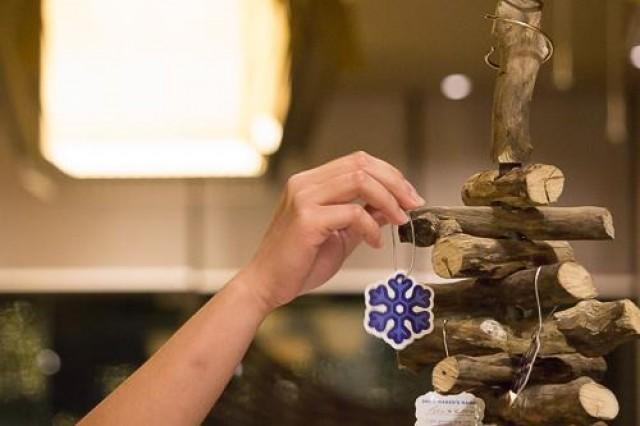
Now, people get a glimpse of simple, grand, and even themed Christmas trees at homes and public places.
Monito-Monita, anyone?
Exchanging gifts is more fun when you have to guess who gave your present. Pinoys call it ‘Monito-Monita,’ but it’s also known as ‘Secret Santa.’ It’s not clear how the tradition started but some say it came from Scandanavia, where people leave gifts anonymously at houses, while some believe American philanthropist Larry Dean Stewart, known as the ‘original Secret Santa,’ came up with the idea.
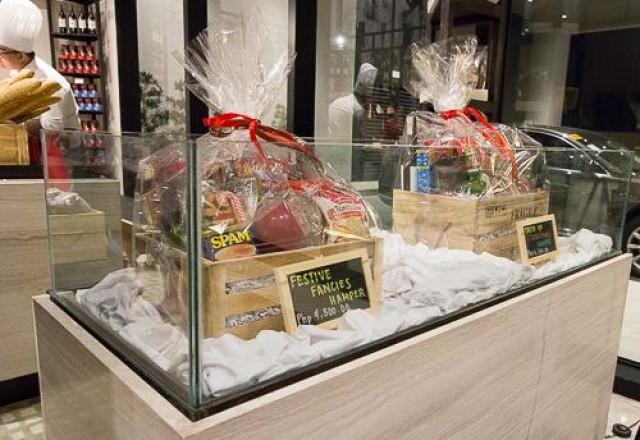
Pinoys give the gift-giving activity a twist with challenging categories for participants to follow.
Decorating gingerbread houses
Blame it on the Brothers Grimm’s ‘Hansel and Gretel,’ gingerbread houses became an instant hit in 19th century Germany. It only became a holiday symbol after German settlers brought the sugar-decorated house made of gingerbread to America.
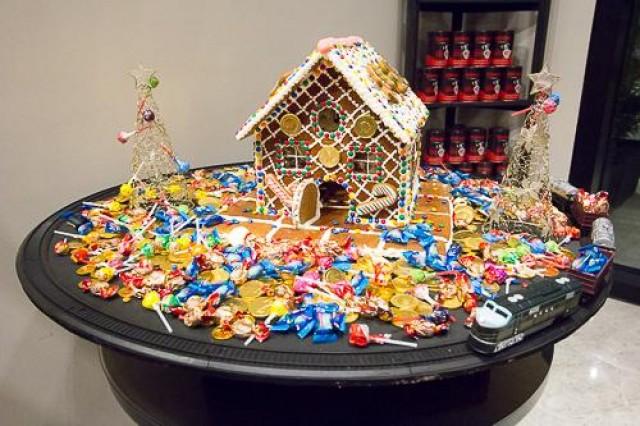
Gingerbread house decorating is gaining popularity in the Philippines also, providing a new holiday activity for kids and adults alike.
Experience these beloved Christmas traditions at Seda Vertis North with its holiday offerings as the hotel celebrates its first Christmas in Quezon City. With the backdrop of a brightly lit Christmas tree, listen to Christmas carols at the lobby, shop for Christmas hampers for your loved ones, indulge in a holiday feast, and have your kids decorate gingerbread houses when you visit Seda Vertis North this holiday season.
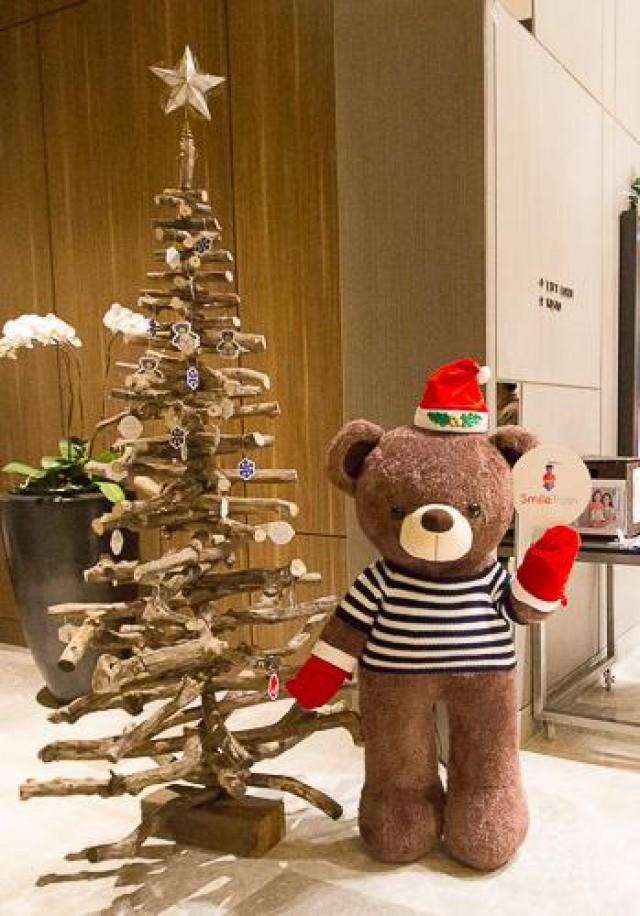
Also, because this is the season of giving, join the hotel as it sells Christmas ornaments for the benefit of SmileTrain, an organization devoted to provide children with untreated clefts with free surgeries.
Visit Seda Vertis North at Astra Corner Lux Drives, Vertis North, Quezon City. For inquiries, call 739-8888 or email vertis@sedahotels.com.

