

 GMA Brandtalk
 Tracking
 Archives

Bohol’s centuries-old practice of making Asin Tibuok inscribed in UNESCO's urgent safeguarding list
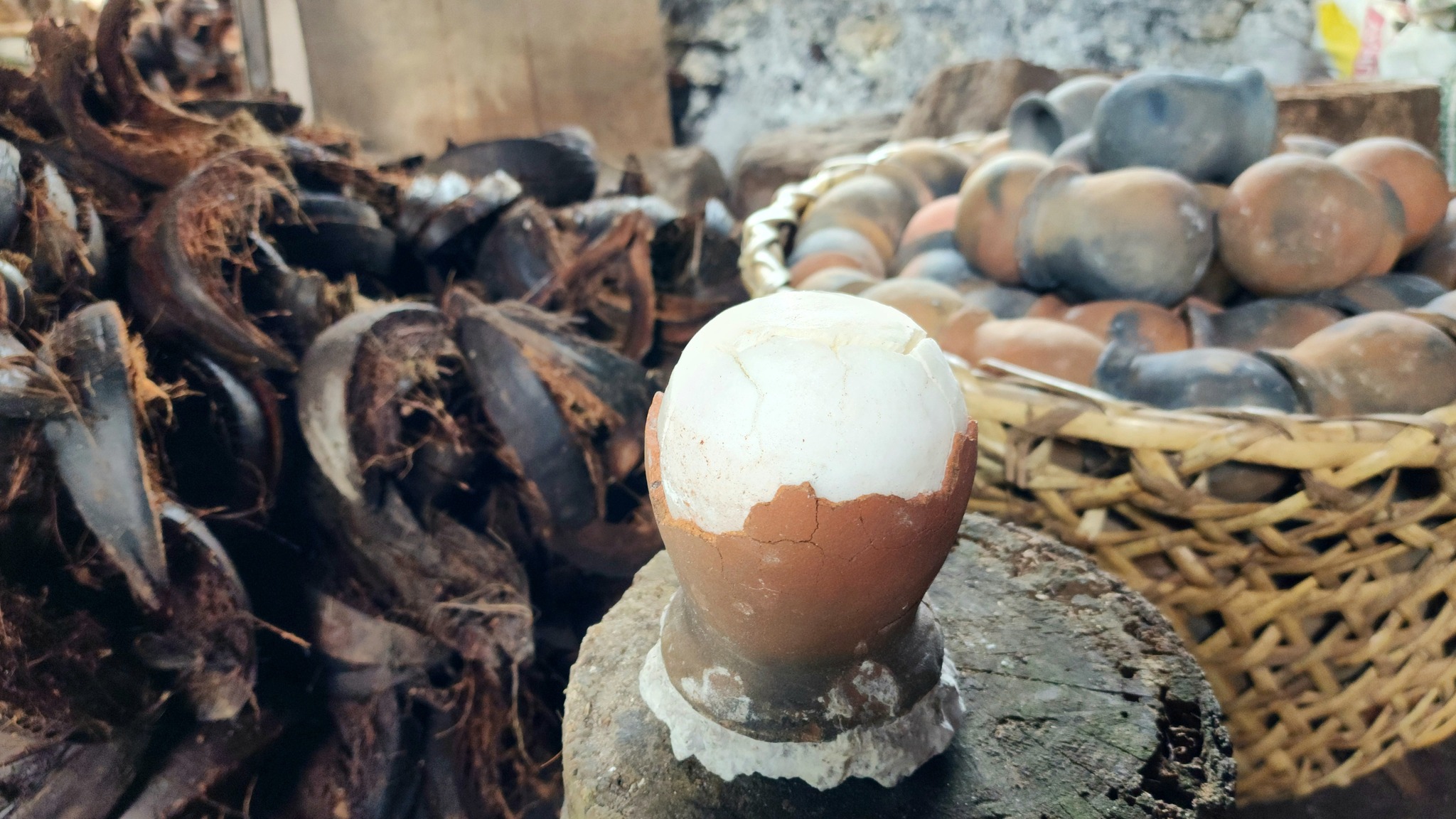
The United Nations Educational, Scientific, and Cultural Organization (UNESCO) has inscribed Bohol’s centuries-old practice of making Asin Tibuok, the province’s artisanal sea salt, into its List of Intangible Cultural Heritage (ICH) in Need of Urgent Safeguarding.
The List of Intangible Cultural Heritage in Need of Urgent Safeguarding "recognizes practices facing serious risk of disappearance." the UN said.
The institution described Bohol's asin tibuok as a "traditional sea salt made through a long and careful process originating from the Bohol Province. Its final product looks like a white egg inside a brown shell."
“The practice of making artisanal sea salt is usually a family activity, and knowledge is passed down through hands-on learning, with children observing and helping their parents. Community groups have recently started to help document and protect the practice,” UN wrote.
“For the practising communities, asin tibuok is a key part of daily life and food traditions. It supports livelihoods and plays a central role in gatherings and celebrations,” it added.
In a social media post, the UNESCO–Philippine National Commission (UNACOM) said “being placed on the Urgent Safeguarding List enables both international cooperation and support to communities to help ensure the tradition’s survival."
“The designation is expected to boost efforts to sustain the practice, provide resources for local artisans, and strengthen awareness of Bohol’s cultural heritage,” UNACOM added.
Meanwhile, the National Commission for Culture and the Arts (NCCA) said this is the first Philippine traditional food process to be included in an UNESCO ICH list.
According to NCCA Chairman Victorino Mapa Manalo, the inscription “honors the skill and devotion of our Boholano salt makers and affirms the centuries-old wisdom passed down through our ancestors.”
The National Museum of the Philippines also lauded the inscription, calling it “a well-deserved and long-overdue recognition for Alburquerque’s ‘mang-asinay,’ whose dedication has kept this important heritage alive across generations.”
“This UNESCO inscription also celebrates the artistry and craft of Alburquerque’s salt potters, whose skilled hands shape the very vessels that make traditional salt-making an enduring facet of Bohol's heritage,” they said.
The institution added that the recognition underscores the need for stronger collaboration with the community to support the industry, uphold its role as both an economic and cultural driver, and ensure its survival as a living testament to resilience and identity.
Asin Tibuok, often called “unbroken salt,” is produced using a meticulous traditional process preserved by the mangasinay, a small community of salt-makers based in the town of Alburquerque. These salt artisans operate family-owned workshops that continue to uphold a craft practiced for generations.
According to UNACOM, the intricate method of producing Asin Tibuok involves several stages: soaking coconut husks in seawater for weeks, cutting and drying them under the sun, burning the husks to create an ash-salt mixture, extracting brine from the ashes, and finally cooking the brine in clay pots until it solidifies into the iconic dome-shaped salt blocks.
— LA, GMA Integrated News

