

 GMA Brandtalk
 Tracking
 Archives

Places in the PH where miracles were believed to have occurred
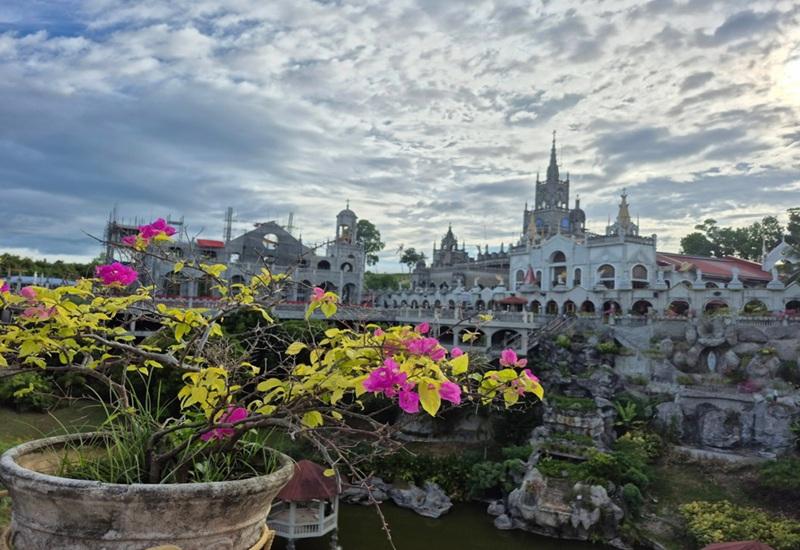
This Holy Week, as we endure long travels home, embark on rituals like Visita Iglesia and turn our attention to prayer and reflection, we take a look at a number of places in the Philippines where miraculous events were said to have occurred.
While none of them have been authenticated by the Church, and some of them not disproven, all of them draw devotees who come in hope, faith, and prayer.
In Catholic teaching, miracles are understood as signs of God’s power meant to strengthen faith and draw people closer to Him—an idea that resonates strongly in the Philippine context, where spirituality is woven into everyday life.
According to Hansson Labisig, a Theology instructor at the University of Santo Tomas Institute of Religion, belief in miracles remains deeply rooted in Filipino culture.
"We grow up in a culture where faith in divine intervention is intertwined with daily life. If you look at history, early missionaries blended Christianity with existing folk beliefs and practices, so this historically and possibly sociologically explains why many Filipinos still see the world as full of spirits who can heal or harm, and this worldview makes them receptive to miraculous events,” he said.
Labisig also emphasized that while various disciplines attempt to explain belief in miracles, the Church views miracles as something that should deepen faith, not replace it.
“One must remember that a true miracle should always lead to greater faith, conversion, and charity,” he said.
Distinguishing between authentic miracles and popular devotions remains crucial in understanding the role of faith in everyday life.
Authentic miracles refer to events formally recognized by the Catholic Church after thorough investigation, and are seen as clear manifestations of divine intervention beyond scientific explanation.
In contrast, popular devotions are grounded in personal and communal expressions of faith, often involving testimonies of healing, blessings, and answered prayers that are not officially declared as supernatural.
“In the Philippines, popular devotion plays a powerful and meaningful role. These shrines serve as spaces where faith is lived, expressed, and strengthened,” Labisig explained.
Across the Philippines, several sites where miracles have been reported to have taken place attract devotees who attest to extraordinary experiences.
“While not all reported miracles are officially authenticated, the devotion inspires and continues to lead people toward prayer, conversion, and deeper trust in God,” Labisig said.
And rather than focusing solely on verifying miracles, the Theologian noted that it is “equally important” to recognize the pastoral and spiritual value of these places as living testimonies of faith, hope, and the Filipino people’s enduring relationship with God.
Below is a list of places where miracles were said to have occured. Click each to know more.
- Our Lady of the Rosary of Manaoag (Pangasinan)
- The Carmelite Monastery (Batangas)
- National Shrine of the Divine Mercy (Bulacan)
- Simala Shrine (Cebu)
- Miraculous Water Spring (Agoo, La Union)
Despite the lack of authentication and verification from the Church, devotees continue to visit these sites because they seek healing, consolation and a tangible encounter with God, per Labisig.
“For example, at Simala, the many testimonies of healings keep attracting people, that is why visitors hope ‘for a miracle of their own,’ and see the displays of wheelchairs and crutches as proof of answered prayer,” he said.
“The faithful also continue to go to Manaoag because stories of bombs that failed to explode during World War II, rain during droughts, and healings through holy water are widely told and believed. Pilgrims in Manaoag invoke the Virgin’s intercession in times of dire need and sometimes pilgrims travel from distant provinces to do so,” Labisig explained, adding devotees continue to visit these sites “out of gratitude” for favors already received, as others go to fulfill a “panata” made during a previous trial.
“In the larger picture, and beyond personal petitions, these sites also provide a sense of community, cultural identity, and continuity with ancestors who made the same journeys or ‘panata’ during challenges and difficulties in life,” he shared.
“In general, people continue to visit these places because they give them hope, strengthen their faith, and remind them that God is present in their lives.” — LA, GMA News

