

 GMA Brandtalk
 Tracking
 Archives

The Price of a Crown: How much does it cost to compete in local beauty pageants?
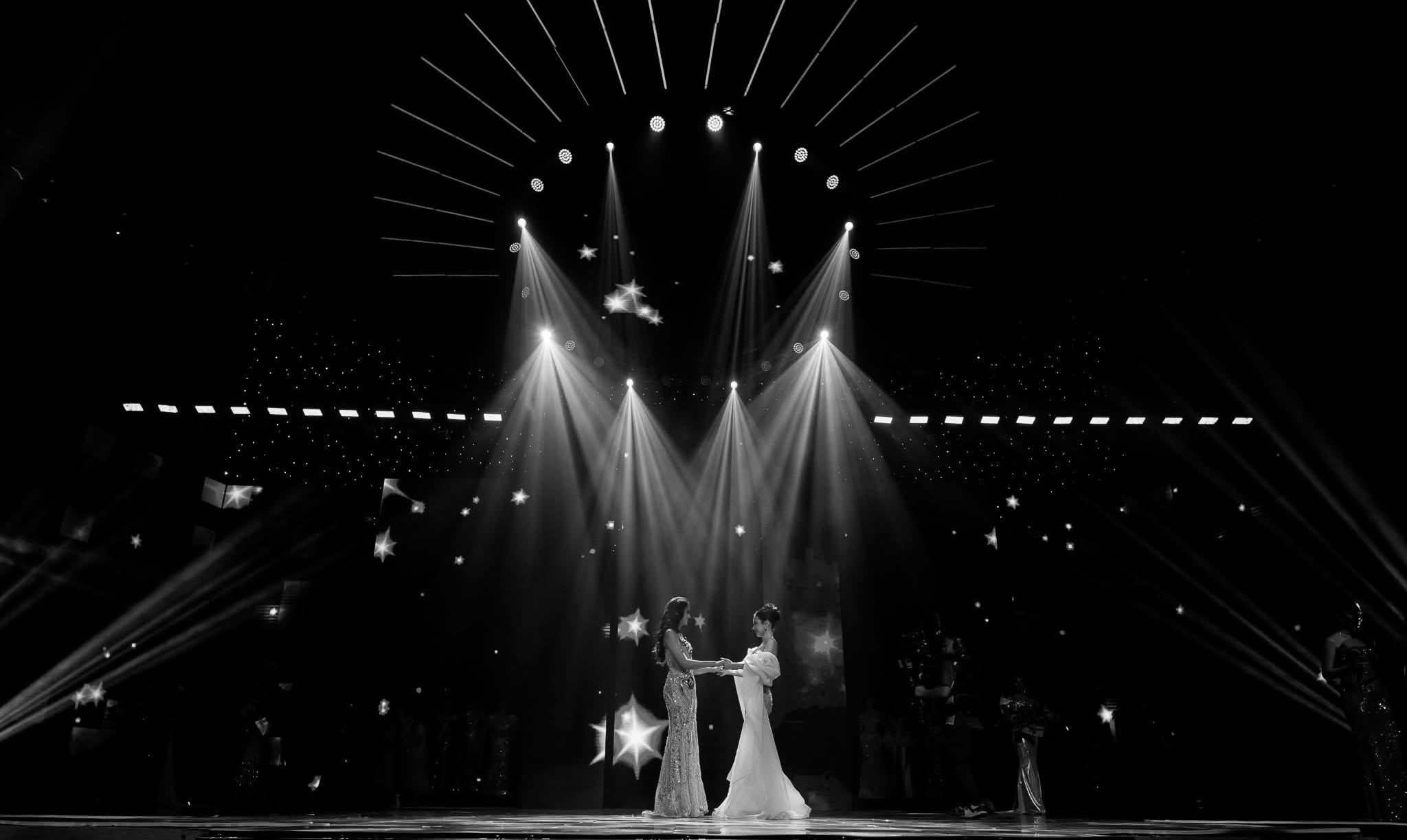
Beauty pageants have long been woven into the fabric of Filipino culture, showcased in town events, televised competitions, and even in informal stages where young aspirants first learn to walk in heels and answer on cue.
But behind the glamor, the crown, and the spotlight is a reality many rarely see: the cost.
This is the first part of a three-part series examining the financial landscape of pageantry at the local level—the first major step before the national stage.
From barangay fiestas to city-wide competitions, Filipinos grow up with pageants as a staple.
Held in schools, communities, and provinces, and drawing crowds and building local pride, beauty pageants breed aspiring queens who dream of eventually stepping onto the Miss Universe Philippines stage.
But as accessible as pageantry may seem at the grassroots level, one thing becomes clear: the crown comes with a price.
A Crown at a Cost
Miss Universe Philippines - Pangasinan Donna Nuguid estimates her total expense in the local pageantry level to be in the ballpark figure of P300,000, thanks to a custom gown which largely drives the amount.
“‘Yung gown ko, custom made na sa akin. Gusto ng handler ko na i-treasure ‘yon. Ayaw niya nang i-renta lang,” Donna tells GMA News Online.
She personally did not spend out of pocket, Donna says but the amount reflects what it takes to mount a competitive local campaign.
A
nd then there are others, like Miss Universe Philippines - Luisiana, Laguna Ashley Subijano Montenegro, who has managed to keep expenses "extremely, extremely low" — but only because of years of preparation and connections.“I only had to pay maybe around P30,000 to factor in transportation expenses and the cost for hair and makeup," Ashley says. "Other than that, a lot of the things other girls had to pay for, I had access to."
She acknowledges her situation is far from the norm. “If I didn't have this network of people, I don't think I could do it. I don't know if I would have done it,” Ashley said.
Jenrose Javier, Miss Universe Philippines - Sultan Kudarat, places the typical local pageant range somewhere in between, saying “If it's a local pageant, it's around maybe P150,000 to P250,000."
The amount has risen rather exponentially. Cebu City’s Apriel Smith recalls spending far less in 2017 when she won locally.
She pegs spending P50,000 back then. "Kaunti lang, pero ngayon, you really need to spend,” she admits.
Across these accounts, a clearer picture emerges: local pageant costs can range anywhere from around P30,000 to P300,000 or more, depending on access, strategy, and support systems.
Baguio's Roxie Smith, who has previously competed with next-to-nothing budget highlights the importance of budgeting discipline.
“Tinipid ko siya [dati]. I use Excel sheets a lot. I love using Excel sheets. So, I really break down. I've done accounting in the past, so, talagang lahat ine-Excel sheet ko. And if you look at my phone now, I have multiple Excel sheets. And I really compute. And I don't go over what I already initially planned. So, I'm really a planner,” she said.
May it be a small stage or the most prestigious beauty competition, the need to prepare early is essential for managing high financial costs, building a strategic network, and honing necessary skills for success.
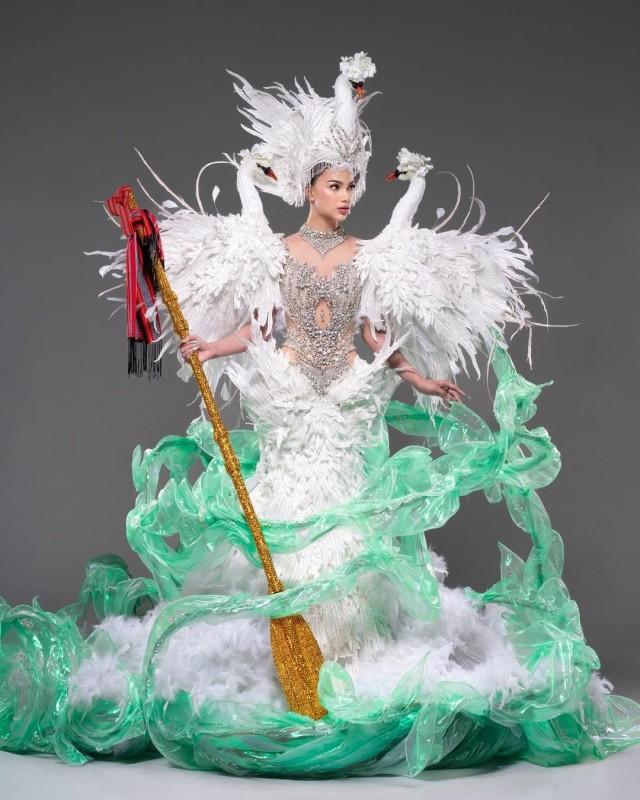
“I did my best to save as much as I can, knowing beforehand, of course, that I'm gonna join in preparation because it can get expensive…My strategy this year, it's really more of allocating funds to where it matters most,” Taguig’s Bella Ysmael said.
The reality, they all said, is that not everyone has sponsors. Even “frontrunners” are not guaranteed financial support.
Where Does the Money Go?
Total costs vary, but candidates we've spoken to consistently point to several key expense areas.
Wardrobe, especially evening gowns, remains one of the biggest investments when joining beauty pageants, with Jenrose saying "the most costly part of the journey is really the wardrobe.”
According to Ashley, "Gowns from the top 15 designers [in the Philippines] range between P85,000 to P200,000, depending on how intricate and how many labor hours it takes."
Wardrobe is just one piece of the puzzle, with hair and makeup taking up a huge slice of the expense pie.
Unlike gowns, which are often one-time investments, hair and makeup is a recurring expense with glam teams needed throughout the competition, from photoshoots to the coronation night.
Before entering Miss Universe Philippines, Bea Millan-Windorski of La Union previously competed in pageantry on a self-funded setup. She explains it's really hair and make up because “we do feel mental pressure to keep up appearances, to look perfect all the time. So that's an expense that my team was willing to incur."
Another seasoned pageant contender, Cebu Province's Nicole Borromeo, similarly noted how these costs accumulate over time, saying it's bBecause you're doing it nearly every day."
“That's the biggest one. [And even] if you can get a cheap rate, it will still add up over time," Nicole adds.
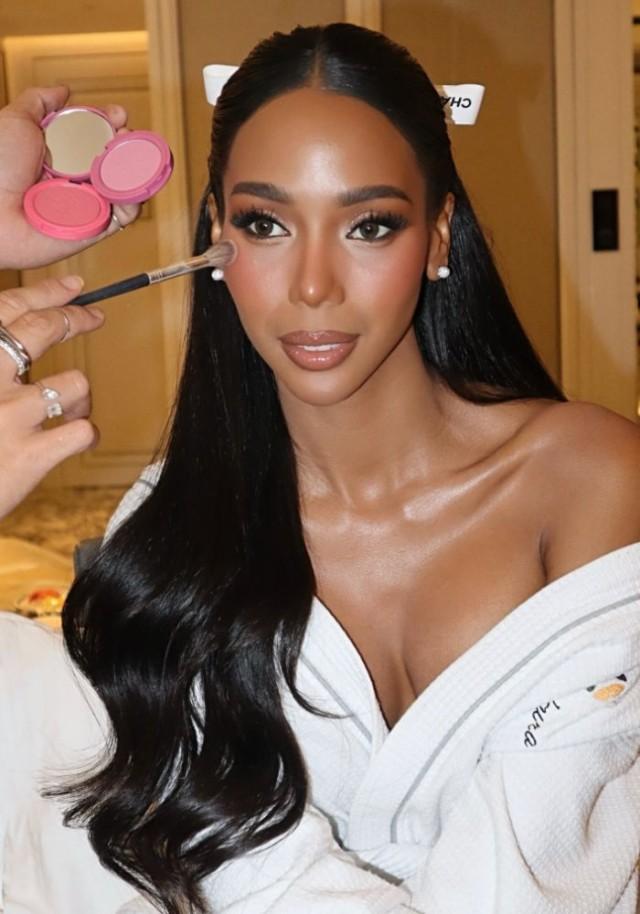
Team compensation is also becoming a priority, with Roxie pointing out a growing shift in the industry.
“Gone are the days na pwedeng mag collab-collab na lang," she began. "I feel like people should be compensated for their craft, for their art, it's not easy. I also know what it's like to work for free multiple times. Gusto ko na mag-retire sa era na ‘yun. So, definitely, I make sure that my team is fed,” Roxie said.
Adds Apriel, “Before, OK lang ‘yung 'thank you, thank you.' But if you really want to collaborate or brainstorm about the things that you want when it comes to gowns, makeup, para maka-voice out ka ‘di ba, you need to really pay,” she said.
Beyond glam and wardrobe, there are additional expenses that candidates must consider:
- Transportation
- Accommodation
- Styling and photoshoots
- Training, including pasarela and Q&A
- Daily allowances and upkeep
Pampanga’s Allyson Hetland summarizes it perfectly: “Ang pinaka-costly sa pageants would be ‘yung mga gowns, costumes. Transportation. Your daily allowances for food and all of that.”
More Than Money: The Hidden Sacrifices
For many candidates, the cost of pageantry goes beyond finances. It reshapes their routines, priorities, and even their sources of income.
Bella pointed out the reality of lost opportunities during competition season, saying “In my line of work, I model, I host. I can't take jobs because of the contract, right? So, you have to prepare yourself for that."
For working candidates, especially freelancers, models, and hosts, this means going weeks without steady income, depending on the length of the pageant season.
The preparation doesn’t just require money. It also demands time, availability, and full commitment. In some cases, candidates will need to choose between career stability and pageant dreams.
N
icole described how the demands can pile up even in day-to-day life. “Some days, you know you can't rely on your own because you're not mentally present. There were days where I'm just like, I can't think straight. I'd be talking to somebody and I'm zoning out, which is really bad,” she said.To cope, some candidates opt to invest in additional help—not as luxury, but as necessity.
“One of my biggest bonuses that I feel like not a lot of people talk about is spending money on a helper at home. Someone to cook for you, someone to clean for you,” Nicole said. “Having her takes so much stress off me. Because let's say when I receive the schedule of the week, I just show her and she already knows what to do. Because she knows my closet, she knows me, she knows what I like. It's such a big weight off my shoulders.”
Beyond logistics, there is also an emotional and psychological toll.
Candidates often feel the need to measure up, not just to standards of beauty, but to the level of investment other contestants are able to put in.
Bella acknowledged this pressure, especially in the age of social media and increased visibility, saying “It's really about preparing yourself, not just financially, but also mentally."
"Just be prepared that there's going to be pressure, but the main goal is that you are investing not just money, but even time and energy into what matters, into what really will make an impact in your entire journey,” she said.
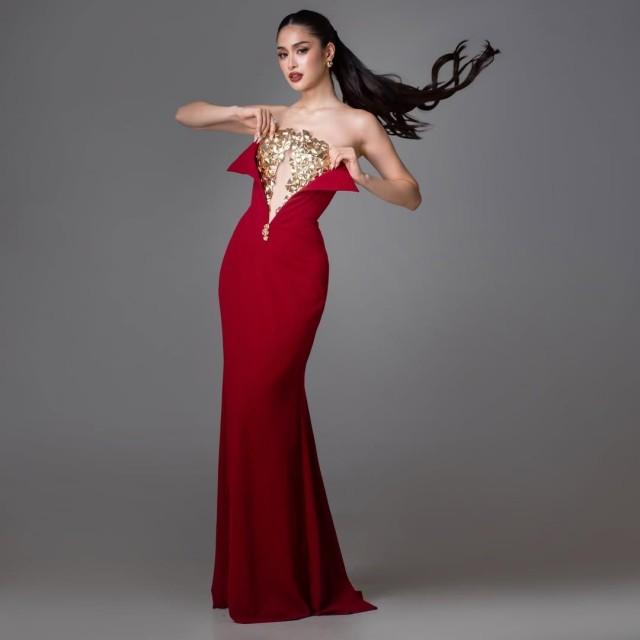
Even something as seemingly optional as media exposure can create internal conflict. While some candidates pay for additional coverage through content creators, others must learn to resist the pressure to spend beyond their means.
“It's tempting to want to put money into that. But you also have to think about whether that's strategic for your path or not,” Bella added.
On top of that, there is the uncertainty of return. Jenrose admits pageantry can feel like a risk.
“Whenever I try to join any pageant, I always make sure that someone is supporting me because pageantry is like a gamble."
"It's fulfilling, it's very fulfilling, but you have to prepare,” she said.
There are no guarantees, no assurance that the money, time, and energy invested will result in a crown, sponsorships, or even opportunities afterward.
But many candidates continue—driven not just by ambition, but by something deeper.
For Donna, what ultimately matters cannot be bought.
“What matters is how you show up yourself, how you present yourself, and how you carry yourself in confidence,” she said.
Despite the costs, many candidates view local pageants as necessary stepping stones, not just for experience, but for building the support needed to move forward.
Whether through sponsors, teams, or local government backing, the ultimate goal is clear: to secure the resources required to compete on a bigger stage.
And for many, that means one thing: ultimately being able to represent the Philippines on the international stage.
In Part 2, we explore how external support from local governments, sponsors, and networks shapes pageant participation. — LA, GMA News

