

 GMA Brandtalk
 Tracking
 Archives

17 years later, '58th' tells daughter's fight for justice for Maguindanao Massacre victim father
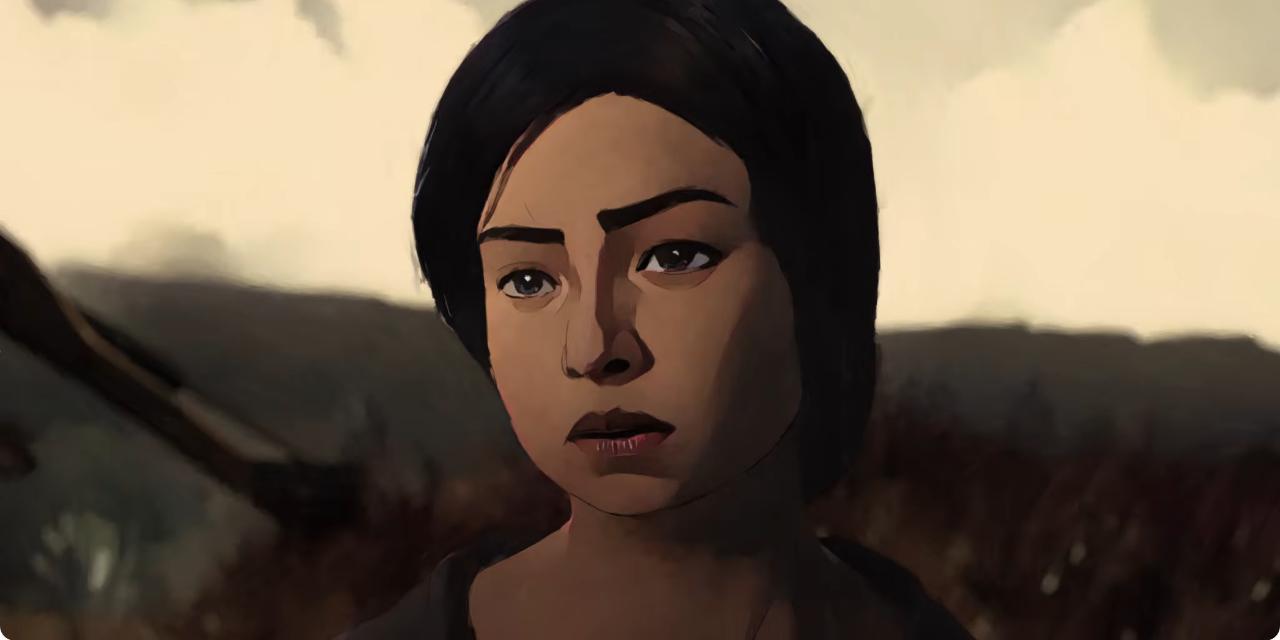
After making its mark at film festivals abroad, “58th” finally premiered before Filipino audiences at the 2026 Cinemalaya Philippine Independent Film Festival on Thursday, and it is a film that quietly but powerfully asks what happens when justice is delivered to everyone except you.
Starring Glaiza De Castro, “58th” is an animated documentary from GMA Public Affairs and GMA Pictures that follows Reynafe Castillo’s years-long fight to have her father, photojournalist Reynaldo “Bebot” Momay (Ricky Davao), officially recognized as the 58th victim of the Maguindanao massacre.
Rather than retelling the tragedy through historical and political lenses alone, the film brings the story down to the personal: a daughter searching for her father’s remains, as well as answers and the closure that has remained out of reach for nearly two decades.
The Maguindanao massacre, which took place on November 23, 2009, in Ampatuan, Maguindanao, resulted in the deaths of 58 people, including 32 journalists. It is considered the deadliest single attack on journalists in history.
Momay, a 63-year-old photojournalist for the Midland Review in Tacurong, Sultan Kudarat, was among those who joined the convoy covering the filing of the certificate of candidacy of then-Buluan Vice Mayor Esmael “Toto” Mangudadatu, who was running for governor against the powerful Ampatuan scion Datu Andal Ampatuan Jr.
His remains, however, were never recovered.
The film opens with Reynafe, who is now based in the United States, speaking with a filmmaker played by Mikoy Morales. From there, the documentary gradually reveals not only what happened to her father, but also the emotional toll of spending years without a body to bury and a legal acknowledgment of his death.
For Reynafe, the lack of her father’s remains has made grieving difficult. She recalls seeing the bodies of the massacre victims one by one, an experience that left her traumatized. Every reminder of the tragedy brings her back to those images.
The film is effective in showing how the passage of time does not make grief easier.
In 2019, a Philippine court convicted key members of the Ampatuan political clan, including Andal Ampatuan Jr. and Zaldy Ampatuan, in connection with the massacre. But Momay’s case took a different path, with the court acquitting all the accused over Momay's death due to reasonable doubt. It also dismissed his family's claim for damages.
“58th” does not sensationalize Reynafe's struggle. Instead, its animated-documentary format gives the story a restrained and intimate quality.
The animation lets the filmmakers painful memories and reconstruct events while preserving the emotional distance necessary for such a sensitive story.
At the center of it all is Reynafe’s determination and courage.
She has spent the past years fighting not only for recognition, but for a death certificate for her father. She wants the law to acknowledge what her family has long known: that her father was among the 58 people killed that day.
For 57 families, the legal recognition of their loved ones as victims came with a measure of closure. But for Reynafe, the fact that her father remains outside that number means the fight continues.
"I just need justice for my father. Until I get the justice I'm seeking, there is no closure. Not only is there no body, but there is still no justice," Reynafe said in Filipino in the film.
“58th” is less about the massacre itself and more about what happens after the headlines fade, court decisions are handed down, and the world moves on.
It is a story about a daughter who refuses to let her father disappear from history simply because his remains were never found.
The film also sheds light on the plight of media workers and journalists in the Philippines, highlighting the intimidation and threats they face, and, in the most tragic cases, the loss of their lives, while carrying out their watchdog duties.
It serves as a reminder of the risks journalists take in pursuit of the truth and of the responsibility of Filipinos to choose leaders who will serve the country with integrity, uphold justice, and protect press freedom.
"58th" likewise reminds audiences that justice is not measured by a court conviction alone. For some families, justice also means having their loved one properly recovered, identified, recognized, and remembered.
Seventeen years have passed since the Maguindanao massacre, and Reynafe is still fighting. As “58th” has made clear, her fight is not simply about her father being counted among the victims, but about making sure he is never forgotten.
—CDC, GMA News

