

 GMA Brandtalk
 Tracking
 Archives

Commuter hacks: 11 ways to save time and money amid rising fuel costs
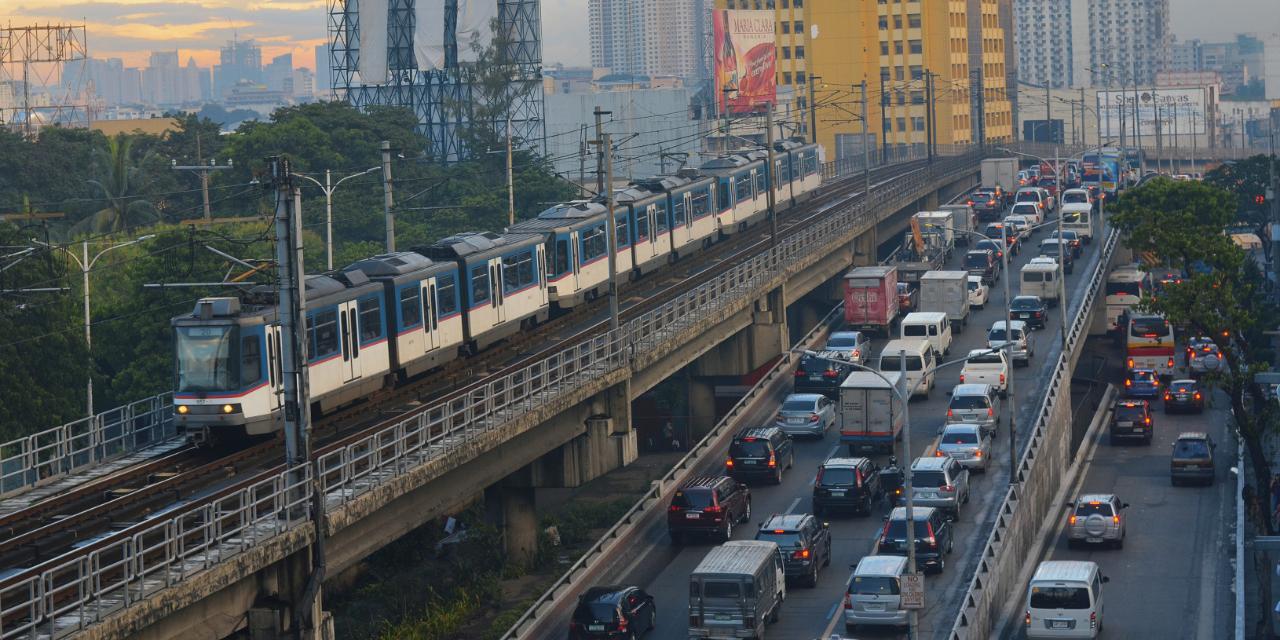
As rising fuel prices put more pressure on transportation costs, commuters are finding ways to stretch their budgets while dealing with traffic and long travel times.
But for many workers, avoiding costly rides is easier said than done.
Corporate employee Rose Ann Tolentino, who lives in Quezon City and works in Makati City said that higher fuel prices could mean allotting a bigger budget for her daily commutes.
“During rush hours, if there’s no available public transportation, I really won’t have much choice but to book a ride,” Tolentino told GMA News Online.
For commuters trying to cope with rising transportation costs, here are some practical ways to save time and money:
1. Adjust your travel schedule when able
This could help reduce time spent in traffic and may also help commuters avoid peak ride-hailing fares.
Tolentino usually leaves around 8 a.m., after what she considers the busiest period on Commonwealth Avenue, where she lives. She identifies 6 a.m. to 8 a.m. and 5 p.m. to 8 p.m. as times to avoid heavy traffic.
She considers 10 a.m. to 3 p.m., as well as late-night trips, more convenient.
For college student Suri Permilona, another “sweet spot” is between 1 p.m. and 3 p.m., when roads and public transportation tend to be less crowded.
Commuters should also allot extra travel time, especially when heading to work, school or an event, to avoid having to book an expensive ride at the last minute.
According to multiple Youscoopers, leaving their houses early is the best course of commuting action.
2. Compare fares before booking
Don't immediately settle for the first ride option you see.
Medical student Georgette Zaldivar said she checks Transport Network Vehicle Service (TNVS) fares and compares them with public transportation options before deciding whether to book.
If the fare is too high, she waits for it to drop or takes public transportation instead. Tolentino also waits a few minutes to see if a fare decreases.
There are several ride-hailing options to choose from, including Grab, inDrive, JoyRide Car, and eco-friendly GSM Taxi for four-wheeled rides, as well as Move It, JoyRide, and Angkas for motorcycle rides.
Fares vary across platforms, so compare prices and choose the option that best fits your budget and travel needs.
3. Check discounts, vouchers, and cashback promos
Before booking on a ride-hailing app, check available offers and your payment provider's promos.
Ride-hailing platforms and payment services periodically offer vouchers, discounts and cashback that can help reduce transportation costs.
Commuters should check the latest mechanics, eligibility requirements and expiration dates before using a promo.
Grab offers GrabUnlimited, a monthly subscription priced at P48 that provides an 8% discount on up to 30 car rides, capped at P70 per ride, along with other delivery-related benefits.
Move It also offers selected users 50% off vouchers daily at 7 a.m., which users can check on the app's Offers page.
GCash users can purchase Grab vouchers at discounted prices and may also qualify for its Commute cashback promo. Eligible users can get 30% cashback on their first three MRT-3 rides and 20% cashback on LRT-2 rides, with the promo running until September 30.
From September 14 to October 15, eligible users of Grab, Move It, Angkas, Green GSM and JoyRide can also get 5% cashback, capped at P400, when using a Maya Wallet Card for eligible transportation transactions.
4. Consider ride-sharing
When public transportation is unavailable but a solo ride-hailing booking is too expensive, sharing a ride may be another option.
Tolentino said ride-sharing is one of the options she considers because it can be more affordable.
Some ride-hailing apps, such as Grab and inDrive, allow multiple drop-off points in a single booking. This means passengers can share a ride with friends or workmates and split the fare, helping reduce the cost per person even when fares surge.
Carpooling is another way to save money, as passengers can split the cost of fuel among themselves.
4. Be strategic about your train commutes
Make the most of train connections. LRT-1 runs north to south, while LRT-2 connects the north and eastern parts of Metro Manila. MRT-3 also runs north to south.
LRT-1 passengers can transfer to LRT-2 through the elevated walkway from Doroteo Jose to Recto.
LRT-1's EDSA Station is also connected to MRT-3's Taft Avenue Station through an elevated pedestrian walkway.
LRT-2 passengers transferring to MRT-3 at Araneta Center-Cubao can walk through Gateway Mall and the indoor connection toward Farmers Plaza, a roughly 10-minute walk. While here, consider accomplishing other errands to avoid rush hour. Consider doing your grocery at the supermarket, or give yourself a break and have dinner at the mall.
Pro-tip for those using the MRT: Staying in the last carriage may also provide a little more space.
5. Use a Beep card
If you haven't yet, our interviewees highly recommend getting a Beep card instead of lining up for single-journey tickets.
Beep cards can be reloaded at designated machines, while available digital payment options like Gcash can also help speed up transactions.
If you are a student, consider getting a discounted Beep card for cheaper fares.
6. Walk or bike for short and familiar trips
For nearby destinations, walking can eliminate an additional transportation expense.
Zaldivar said she walks short distances whenever possible and groups activities according to location.
Biking can also be an alternative for those who have a safe and practical route.
One Facebook user who commented on GMA News' call for commuting tips said he has been biking since the pandemic and now uses a pedal-assisted bike for longer trips.
He described it as a convenient and economical way to commute.
Another commenter, Dario Bacalla, suggested using a bike or e-bike for those who can accommodate it.
7. Take advantage of government programs
Commuters can also check whether their local government offers free bus or shuttle services along their route.
One YouScooper highly recommends Quezon City's Libreng Sakay program, which operates free bus rides. Knowing the available routes and schedules may allow passengers to replace at least part of a paid trip with free transportation.
Another wildly overlooked transportation solution? The P2P Bus.
For instance, there are P2P buses running from Calamba to Lawton every hour from 4am to 8pm and from Lawton to Calamba from 6am to 9pm every day from Monday to Friday. There are P2P buses running between Ayala Malls too.
And because it is often overlooked, P2P buses are hardly crowded. They're clean, airconditioned, and even come with wifi.
You know what's another overlooked transportation option? MMDA's Pasig River Ferry. You can get from Guadalupe to Escolta in one hour minus the traffic. But given the stormy weather, just make sure the ferries are running on schedule.
8. Consider a flexible work arrangement
For employees with some flexibility, adjusting work hours or working remotely may help reduce transportation expenses.
Tolentino said she would consider changing her work schedule if it meant avoiding peak-hour travel.
She also said she would prefer working from home on certain days to save on transportation costs.
Reyn shared a similar preference, saying she would opt for a work-from-home or hybrid setup if given the choice.
9. Plan weekend trips around your transportation budget
Higher transportation costs can also affect leisure plans.
Zaldivar said she would limit weekend outings and choose destinations that are accessible by public transportation.
For Tolentino, if transportation costs continue to rise, staying home may become the more practical choice.
“Bahay muna,” she said.
10. Bring commuter essentials
A few basic items can also make long and sometimes uncomfortable commutes more manageable.
Tolentino's must-haves are a good handkerchief and e-fan, while Reyn always brings water.
Zaldivar recommends bringing a cap, water, and a portable fan to deal with the heat.
Permilona, meanwhile, keeps a water bottle and AirPods handy and prefers carrying a lighter bag.
Bringing smaller bills and coins can also make paying fares on jeepneys, buses and other forms of public transportation easier.
11. Vote wisely
For some commuters, however, the list of “hacks” raises a bigger question: Why should commuters have to keep finding ways to cope with an inefficient or expensive transportation system?
One pointed out that the public continues to carry the burden when the government should take its responsibility just as seriously.
Another expressed the sentiment that there should be “no hacks” in the first place, arguing that Filipino workers deserve an efficient, reliable and humane commuting experience as part of their everyday lives.
"Wala dapat hacks, dahil deserve ng mga manggagawang pilipino ang efficient, reliable at makataong commuting experience. Hindi ito dapat luxury o ano pa man. Dapat ito ay normal na benepisyo ng mga Pilipino sa pang araw araw," a user named Zoren said.
A user named Thirdy piped in: "Minsan ang 'hack' mo na lang is umalis nang sobrang aga, maghanda ng extra pamasahe, at magdasal na hindi maabutan ng traffic."
"And honestly, hindi dapat normal na kailangan mong maging expert commuter just to get to school or work on time. Public transportation should make our lives easier, not turn every commute into a daily survival challenge," he added.
Ultimately, commuters can plan, compare fares and make use of available discounts and services—but these are coping strategies, not substitutes for reliable public transportation.
As one netizen put it: “Walang hacks” should ideally be the goal.
—with reports from Hermes Joy Tunac, Nika Roque, and Carby Rose Basina/JCB, GMA News

