

 GMA Brandtalk
 Tracking
 Archives

ADVERTISEMENT
Filtered By: Lifestyle
Lifestyle
Kapampangans seek UNESCO World Heritage status for giant ‘parul’ tradition
+
Make this your preferred source to get more updates from this publisher on Google.
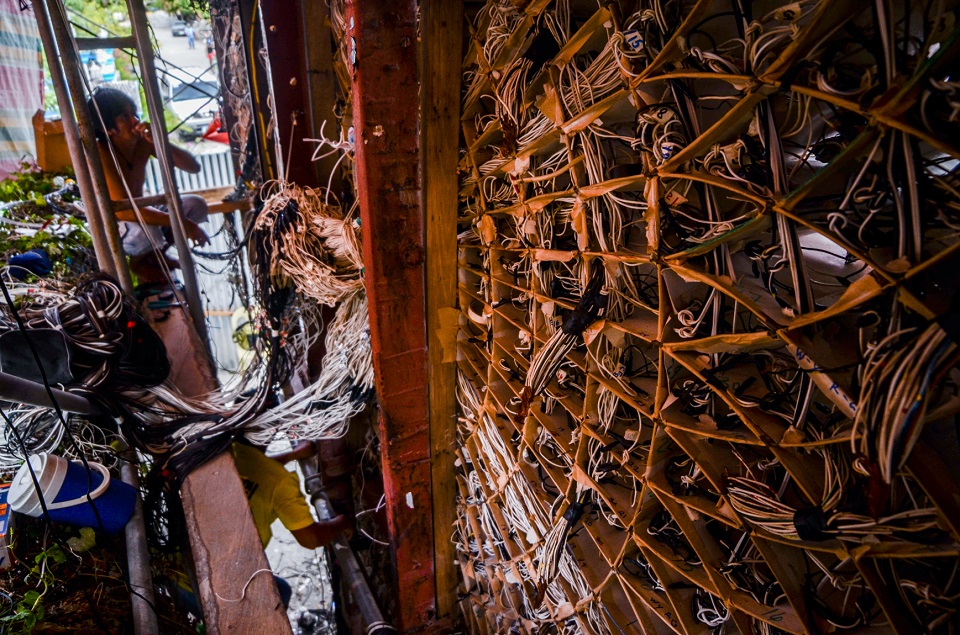
One giant lantern requires as much as eight kilometers of wiring.
In each one there are more than 12,000 light bulbs connected to more than 8 kilometers of electrical wiring. These parul are not created by high-tech computers with sophisticated software systems, but by ragtag teams who spend countless nights working to produce lanterns that belong to a tradition more than a hundred years old. Every year, the townspeople build these giant lanterns for both competition and exhibition.
Now, they are hoping that the giant lanterns of San Fernando will be accepted for inclusion in UNESCO's list of World Heritage sites, with advocates feeling that the giant paruls do fit the criteria for inclusion.
Exhibited annually from the second week of December and drawing more than 30,000 to 50,000 spectators from all parts of the globe, the giant lanterns of San Fernando are a physical and conceptual testimony to the Kapampangans' prevailing will to create masterpieces and carry on family traditions.
The city's Chief Tourism Officer, Ching Pangilinan—who has seen the paruls evolve in design and sophistication over the years—believes that it is high time for the Kapampangans to lobby for the parul tradition to be bestowed the UNESCO status. Apart from the lanterns' fantastic display, she said, "lantern-making is a unique intangible heritage the Kapampangans have, which has even evolved into a more exciting art form."
Roots of lantern-making
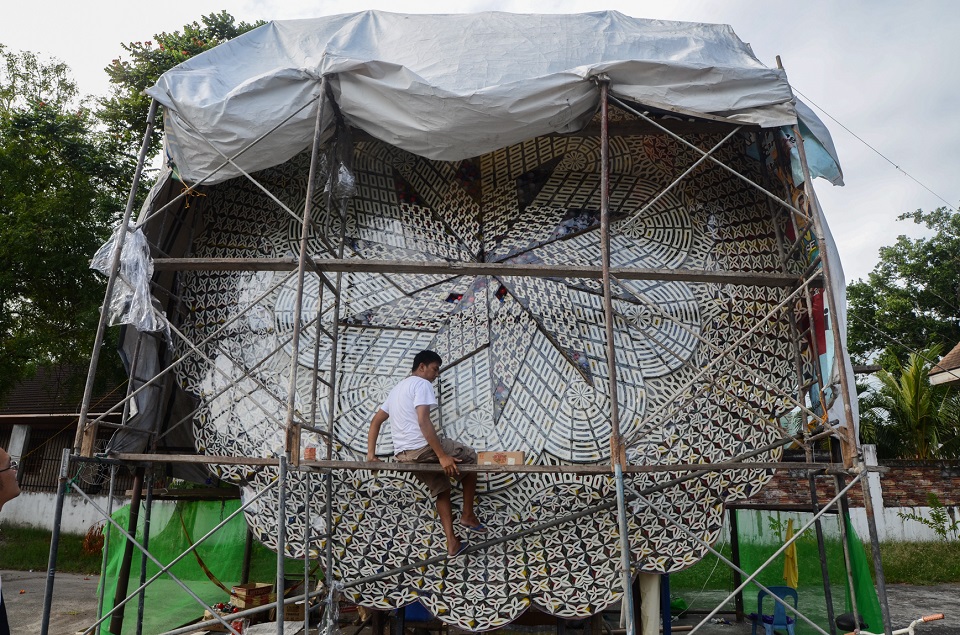
The craftsmen inspect each of 12,000 bulbs in every design to make sure that they all light up.
These days, many of the craftsmen from the 8 to 10 barrios that usually compete every year are related to each other, and all know each other, because it is through these connections that the craft is spread as well.
According to Arnel Flores, a grand slam winner in previous years, lantern makers visit each other to check on the status of their parul—and offer each other help if needed."We don't think about competition where the ultimate goal is to win. It never entered my mind. What we do is show our creativity and make people enjoy and appreciate the art. Winning is just a bonus, " he said.
How the process works

The giant lantern's rotor is manually operated during the light show.
Flores said that the rotor is the most complicated part of the system as it is rotated manually with a steering wheel.
"You first have to think of the interplay of lights in your head, imagine them and make a layout that corresponds to the touching of filaments to the metal sheet of the rotor," he said. "That is where creativity starts." The artists conceptualize the design with the lantern's parts in mind: the tambor, or the drum-like central area; the pontetas, or the points that surround the drum; the palimbun, or the kaleidoscope-like parts; and the siko-siko, or the diamond-like parts of the lantern.
"Every year, we are given a subsidy by the city government to fund the creation of the giant lantern. This year we got P170,000," said Flores.
The overall production cost of any giant lantern ranges from P400,000 to P600,000, depending on the cost of materials. In most cases, bulbs are recycled but for safety reasons the electrical wires are regularly changed every year. The townspeople kick in funds to augment the LGU's subsidy.
For Alwyn Balingit, a freelance multimedia promoter who maintains a fan page for the city, the giant lantern stands as a symbol for the need to work together to achieve something big, something that brings joy to the people. Because of this, and because of its roots and the craft that has been passed down over the generations, the parul is a very important part of the cultural heritage of San Fernando.

Kids enjoy the sight at the Giant Lantern Festival.
"The giant lanterns...bring pride not only to San Fernando but also to Pampanga. These lanterns are too spectacular to miss every Christmas season, " she said. — BM, GMA News

