

 GMA Brandtalk
 Tracking
 Archives

Perri Cebedo, Pinoy teacher with a shot at becoming a CNN Hero

All sorts of heroes are on big and small screens nowadays—the Avengers, Superman, Jessica Jones...and even the merc with a mouth was given his day in the sun. And out on the streets, "Bike Man" became the hero the city needs.
But not all acts of bravery are captured on camera. Most of the time, quiet acts of heroism are overshadowed by flashy displays of benevolence and go unnoticed. Efren Peñaflorida was among those heroes who worked in the background, hidden from view until a CNN Heroes win helped turn the spotlight on him in 2009. Now, another educator might walk the same path—thanks to a friend turned fan.
Perri Cebedo, a grade school teacher once upon a time before migrating to the US, might be a nominee for this year's CNN Heroes. During an interview with GMA News Online, Cebedo shakes his head at the possibility and laughs.
"An American friend of mine attended one of my seminars and he developed into a very devoted fan," Cebedo says with a chuckle, "One day he told me, ‘I just nominated you for CNN Heroes.’ I replied, ‘What is that?’"
"I don't know what it is or what the procedure is," he confesses. "But I understand it's a program that tries to honor people who have accomplished something. Now, my wife says I have not accomplished anything, so why should I be honored?"
Despite his doubts, he gave his consent, hoping that the recognition might attract funds for his projects. Cebedo modestly and openly admits the shallowness of his pockets without making it a plea for sympathy.
And in the tradition of humble hero origin stories, his tale starts in a town he fondly describes as "not too progressive."
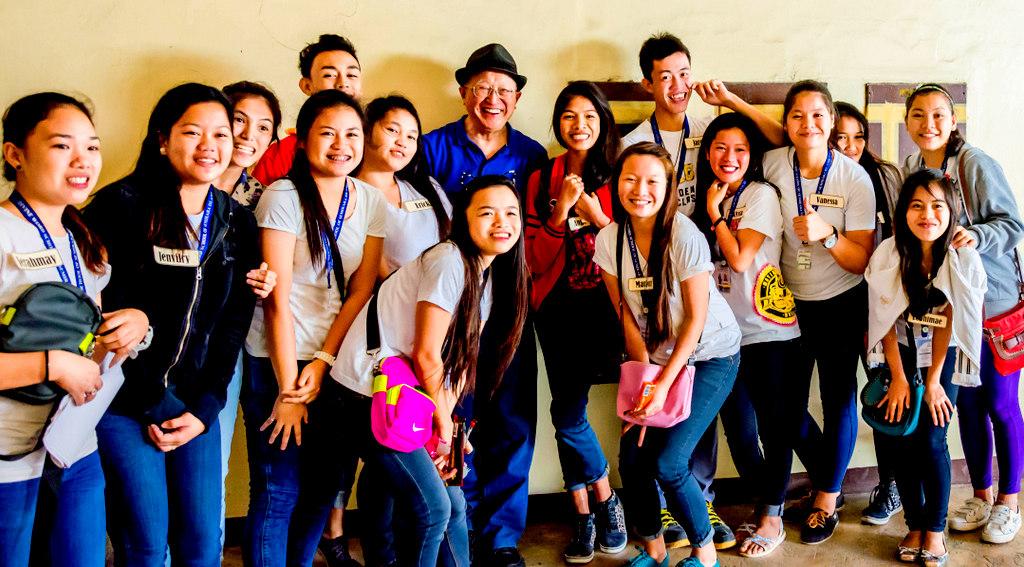
Humble beginnings
Cebedo is a native of Dapitan, Zamboanga Del Norte—the same Dapitan where Jose Rizal spent years in exile. Cebedo eagerly shared that he was baptized in St. James, the same church that the famed hero used to attend.
"In the land of the blind, the one-eyed man is king," he quotes when asked what he was like as a younger man, playing down any accomplishment he may have achieved then or even now. His wife, Ma. Louisa "Monina" Constantino Cebedo, chimes in: "It's better to be honored after they die."
"Very thorough and very hard on himself," she says more seriously in response to the question. Perri adds jokingly, "When people are very hard on you, you have a tendency to self-flagellate!"
"Baka akalain nila naghahampas ka talaga!" Monina continues.
"Hampas-lupa lang!" Perri teases.
The two are still spry and seem perfectly content spending their retirement (and retirement money) without fanfare, pooling their resources to conduct Maximizing Academic Excellence (MAPs) seminars.
Making MAPs
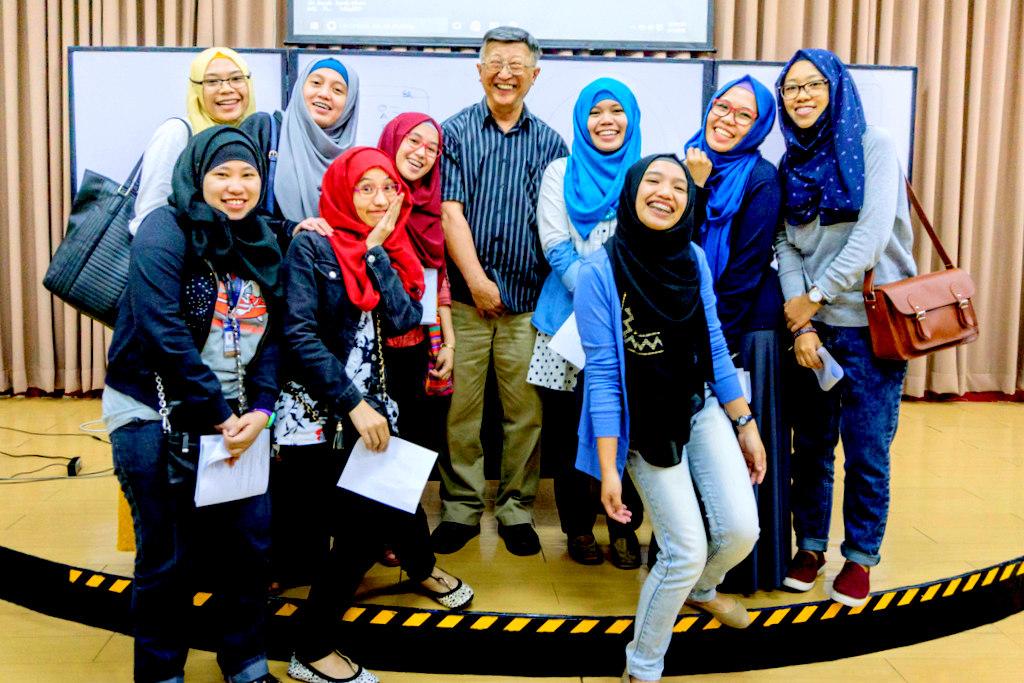
Cebedo started his career as a teacher in Ateneo de Manila University. He views the students there as, to put it mildly, quite "blessed" with ample resources. In 1982, he moved to the US and took on a similar role—as a trainer for Pharmaceutical Representatives.
Cebedo adapted the module for Pharmaceutical Representatives, doing "train the trainer" programs in auditoriums. The job would eventually permit him to travel across Europe and South America. He was even able to conduct a seminar and publish two books in Spanish—"Como Conducir Un Equipo De Ventas Industria Farmaceutica" (1999) and "La Venta Farmaceutica" (2004).
"The people would tell me, ‘I wish I had learned this while I was in school!’" Cebedo says.
Cebedo points to John Ritter's "When There's A Will, There's An A" video , in which the actor discusses a seminar that "teaches students how to learn more in less time with higher retention," as the seed that planted the idea for MAPs in his head.
Learning skills are life skills
"The reason why this program is important is not only will it give you good grades, but it will teach you life skills like prioritizing the important and the urgent," Cebedo says. "There are ‘time bandits’ everywhere, like in your cellphone. When you commit the mistake of answering the text [instead of doing something more important], you spiral into wasting precious time until one of you decides to stop."
Deciding when to reply and when to turn off your phone figures into MAPs' instructions on how to take tests and what to study first. Among Cebedo's advice is to "study difficult subjects when you are fresh" and, when answering an exam, to "read all of the questions first and answer the easiest ones first."
He has tips on how to guess the correct answer for a multiple choice question, too—but you have to attend the seminar to find out what it is.
The seminars are four hours long, preferably with only 40 students. Cebedo then proceeds to give a lecture peppered with humor, discussing, among others, the perfect learning environment, preparing and taking exams, how to survive a boring textbook, making a schedule and sticking to it, and how to take notes.
If all goes well and he attracts sponsors for the program, he says it would benefit students to receive the seminar during freshman year as part of their orientation. "When people learn that we give 250 tips on getting a higher grade, they get very excited."

Outside of the seminar, Cebedo leads by example. His wife clearly has high regard for her husband's passion and dedication to work and his children as well as grandchildren have taken after him. The younger Cebedo generation spend time working with their communities, such as helping out in soup kitchens. And after more than 50 years of marriage, the Cebedo pair are still able to make each other laugh.
When asked what has kept their marriage strong, Cebedo offered a joke—and that perhaps is the lesson. Take life seriously, but keep a grain of salt within arm's reach and don't forget to laugh. — BM, GMA News

