

 GMA Brandtalk
 Tracking
 Archives

When should you change your pet's food? Vet breaks down signs, proper transition
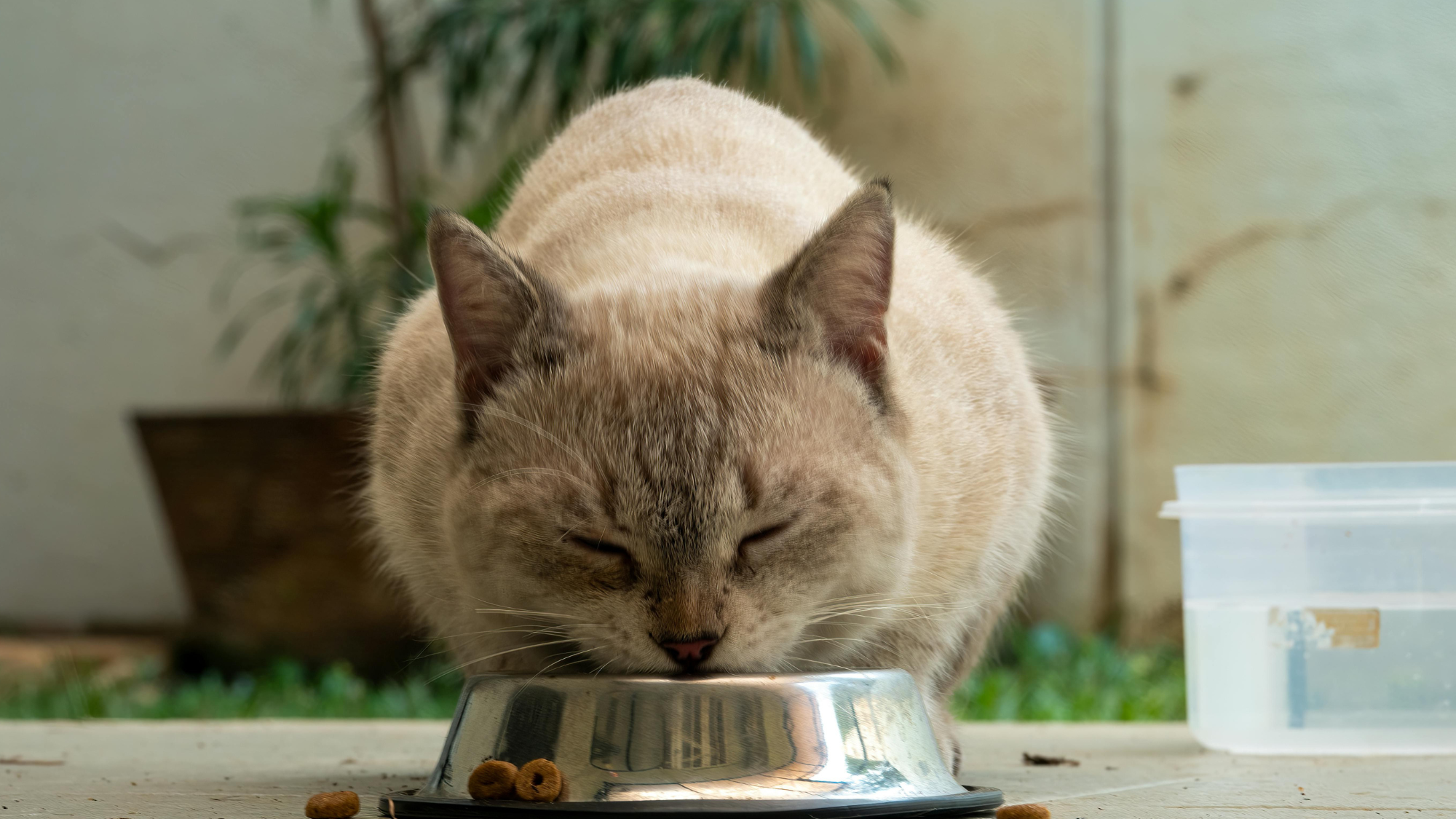
Deciding whether to change your dog or cat’s food can be tricky, but certain signs may indicate it’s time for an adjustment.
In an interview with GMA News Online during the launch of Bow Wow’s new beef adult dog food options, Antipolo City veterinarian Dr. Angelica Martinez emphasized that monitoring your pet’s coat, stool, and overall behavior can help determine whether a diet is working.
“‘Yung commonly na-encounter namin, lalo na kung maganda ‘yung dog food na pinapakain sa isang pet, ay siyempre ‘yung mga good coat, good stool, tapos laging hyper, playful, name-maintain nila ‘yung body condition nila,” she said.
“Compared sa hindi akma or hindi hiyang, makikita mo ‘yung pag-dry ng coat, nagpe-flakes, magkakaroon ng reaction ‘yung katawan nila. Kaya ‘pag ganyan na nakikita na may reaction, it's time to change the dog food or any food for that matter,” she added.
Dr. Martinez explained that changes in fur condition, digestive health, or overall activity can signal a diet is no longer suitable.
She recommended observing any reaction for about a week before deciding to switch, noting that sudden changes can harm a pet’s gut microbiome.
“Common mistakes po ‘yung nagpapalit agad sila ng pagkain ‘pag nananawa. Ngayon nangyayari, nagkakaroon ng pagbabago sa microbiome ng alaga nila. So nagkakaroon ng gastritis, nagkakaroon ng dugo ‘yung dumi nila. Kaya ’pag magbabago kayo ng diet, ng alaga nyo, dapat gradual,” she said.
Part of the transition is slowly mixing the new food with the old one
Dr. Martinez explained that this should be done over several days, gradually increasing the proportion of the new food.
According to a 2014 study, consumers should be cautious of ingredient lists organized by weight, as an ingredient might appear higher on the list simply because it has a high moisture content rather than being a more significant nutrient source.
A more practical way to assess quality is to monitor stool consistency, as foods with low digestibility often lead to excessive gas and poor stool quality due to bacterial fermentation in the colon.
How age, breed, and lifestyle affect food choice
Fur parents should consider age, breed, and lifestyle as factors when evaluating their pet’s diet, as nutritional needs can vary significantly depending on growth stage, breed characteristics, and daily activity levels.
“Each pet, each breed has specific nutrient requirements. So ‘pag bata or mga less than one year, kailangan nila ng protein. ‘Yun ‘yung pinaka-basic to build their muscles, their build. Mas kailangan nila ng more protein compared sa matatanda. Sa matatanda kasi, they need less protein kasi hindi naman nila kailangan na mag-build up ng muscle. So more on mga minerals, mga calcium sila para mag-stay strong ‘yung mga bones nila and ‘yung continuity ng mga bodily functions,” Dr. Martinez said.
She also explained that active or working breeds require consistent protein intake, while sedentary pets may thrive on a more balanced diet.
“Sa mga working breed, ‘yung malaki yung muscle mass, kailangan talaga tuloy-tuloy na may protein source. So throughout their lifespan, dapat may protein na kasama ‘yung dog food nila,” she said.
According to a 2024 journal, breed size dictates the onset of the senior life stage, with larger dogs experiencing age-associated physiological and health changes much earlier than smaller breeds.
While older pets face declining nutrient digestibility, research suggests that ageing dogs may actually require 20% to 30% more dietary protein to help maintain muscle mass and combat sarcopenia, or the loss of skeletal muscle mass and function.
Additionally, specific dietary interventions incorporating antioxidants, B-vitamins, and omega-3 fatty acids have been proven to significantly improve cognitive function and immune health in both senior cats and dogs.
Choosing the right food
Dr. Martinez emphasized the importance of reading labels carefully.
“Sa mga pet food, siyempre dapat may FDA approval para alam natin na pumasa sa busisi ng ating national government. Then pangalawa, siyempre may mga contents na walang bawal. So ‘yung mga drugs or anything lalo na po sa processing, dapat mag-ingat tayo doon. Then sa food label, syempre titinan lagi natin kung kailan ‘yung expiration date,” she said.
In a 2017 study, researchers highlighted that functional foods provide significant health benefits beyond essential nutrients by modifying gastrointestinal physiology and potentially reducing the risk of specific diseases.
Beneficial ingredients like dietary fibers, including inulin and oligofructose, help improve gut health and increase satiety, while whole grains provide necessary antioxidants and trace minerals.
Additionally, bioactive-rich components such as rice bran offer anti-inflammatory properties and essential amino acids that support the management of chronic conditions like obesity and diabetes.
Finally, the research underscores that the ideal diet must be tailored to the species, as cats are obligate carnivores with unique requirements for high protein and taurine, unlike the more omnivorous dog.
Beyond nutrition, Dr. Martinez reminded pet owners that proper care goes beyond food and supplements.
“Spend time with your pet. Kasi hindi lang sila dyan para magbantay lang. Kasama nila natin sa buhay natin, maging pamilya. Kaya dapat i-treat natin as family. Siyempre, pagmamahal. We chose them. So, tayo lang din ‘yung magiging mundo nila,” she said. —JCB, GMA Integrated News

