

 GMA Brandtalk
 Tracking
 Archives

Makati prosecutors junk cyberlibel complaint vs food heritage advocate
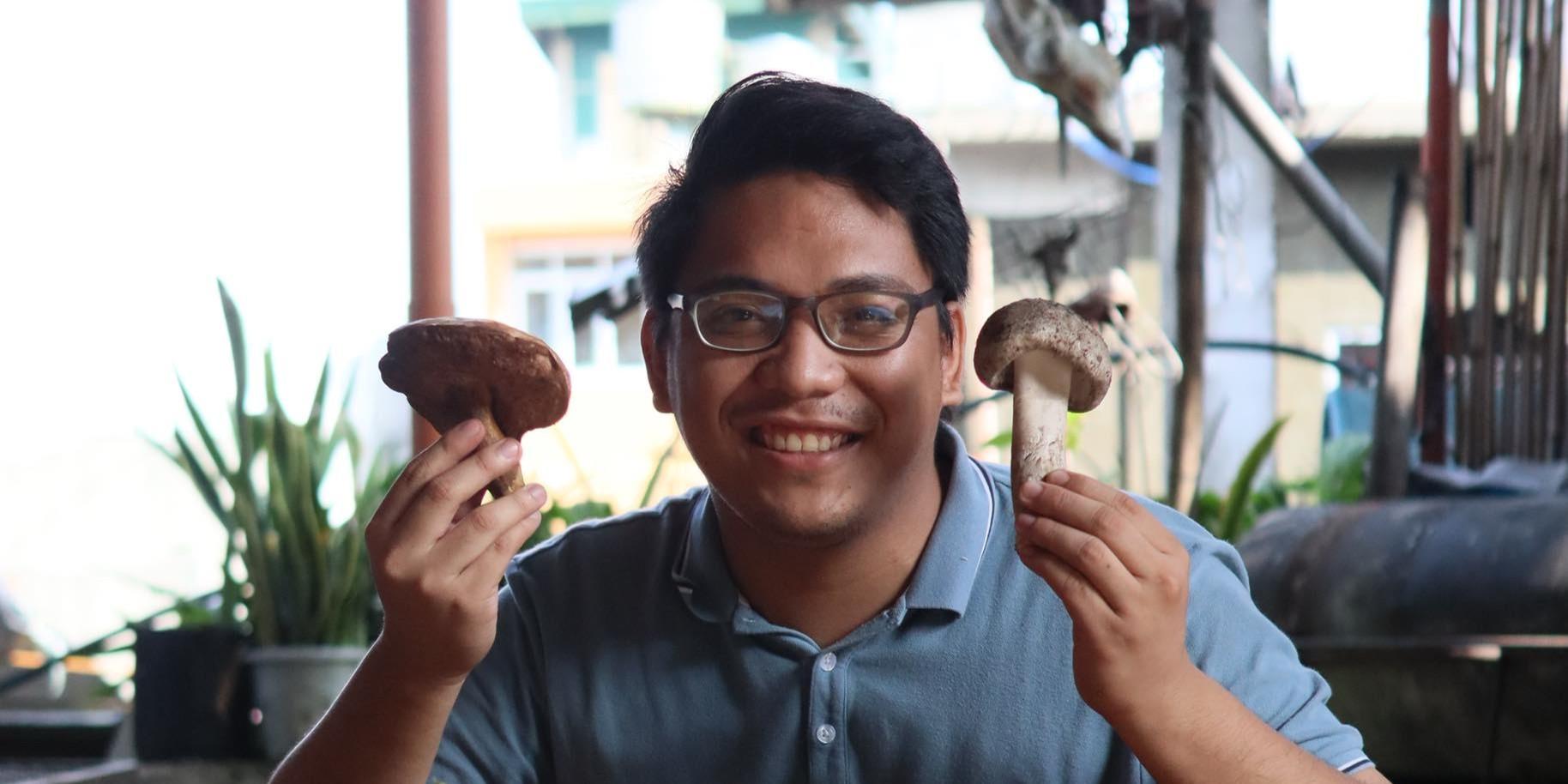
The Makati Prosecutor's Office has dismissed a cyberlibel complaint filed against food heritage advocate and Lokalpedia founder John Sherwin Felix, who flagged alleged inaccuracies in a book on Filipino cuisine published under the Department of Trade and Industry (DTI)'s Malikhaing Pinoy Program.
The case stemmed from a series of social media posts in which Felix criticized “Kayumanggi: A Kaleidoscope of Filipino Flavors and Food Traditions," published in April 2025.
Chef Jose Antonio Miguel Melchor, the complainant and author of the book, defended his work and said he did not receive any government funding for its editorial and manuscript development.
He maintained that the DTI's role was limited to publication and distribution and alleged that Felix's posts led to accusations and personal attacks against him, including from commenters.
In a 17-page resolution dated April 15, Makati City prosecutors dismissed the complaint, ruling the researcher's statements constituted fair commentary on matters of public interest. They also said his remarks did not establish sufficient basis for libel.
"With the foregoing considered, this Office finds absence of prima facie evidence with reasonable certainty of conviction to indict respondent with cyberlibel under Section 4(c)(4) of Republic Act No. 10175 as this Office deems the statements made by respondent insufficient to constitute libel. Nevertheless, respondent is advised to temper his posts as to dissuade any possible interpretation thereof imputing any person of any unfounded trivialities," the decision reads.
"Wherefore, premises considered, it is respectfully recommended that charge against respondent John Sherwin Felix for cyberlibel under Section 4(c)(4) of RA No. 1017 be dismissed," it added.
GMA News Online has reached out to the DTI and Melchor for comment.
In a statement posted on social media, Friday, Felix welcomed the decision and said it underscored the importance of public discourse and accountability.
"As Filipino Food Month comes to a close, this development affirms the importance of critical discourse, accountability, and accuracy in representing our culinary traditions," he said on Facebook.
Felix recalled that he obtained a copy of the book in September 2025 and identified several errors within, which included "the classification of batwan as a legume, the use of peanuts or peanut butter as the source of color for kare-kare, and the description of tawilis, which is endemic to Taal Lake, as commonly found in rivers and lakes across the Philippines."
He shared his findings through his personal platforms and Lokalpedia, citing references and calling for accountability. In the same month, he also sent emails to DTI officials and representatives of the Malikhaing Pinoy Program and the Philippine Creative Industries Development Council.
"To date, no substantial response has been received," he said.
Ending his statement, Felix addressed the DTI's Malikhaing Pinoy Program and restated that his concerns "remain unaddressed."
"Despite repeated attempts to engage, no corrective action or public response has been issued. Public institutions have a responsibility to ensure accuracy, accountability, and transparency, especially in projects supported by public funds," said Felix.
"This outcome is not only a legal victory for me, but also a reaffirmation of the role of researchers, advocates, and citizens in safeguarding our cultural heritage." —CDC, GMA News

