

 GMA Brandtalk
 Tracking
 Archives

Can transgender Filipinos legally change their names?
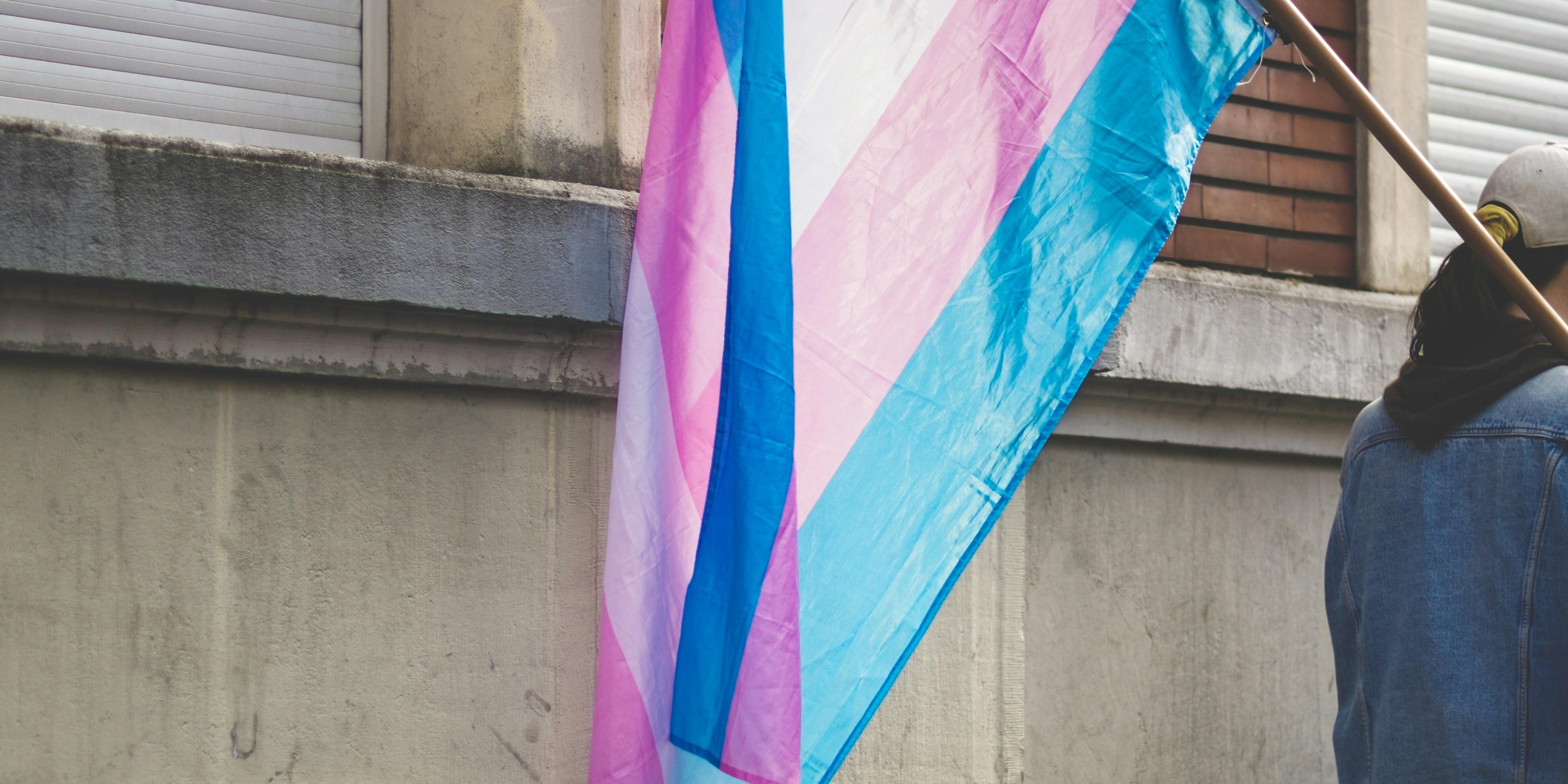
For many transgender Filipinos, a name is more than just a label — it’s an affirmation of their identity and dignity, and a safeguard for their security.
Yet despite the growing visibility and acceptance of the LGBTQIA+ community in the Philippines, there is no law that specifically recognizes a transgender person's gender identity in official documents.
According to Atty. Fae Domingo, an associate lawyer at Baterina Baterina and Casals Law Offices, while transgender Filipinos may petition to change their first names, this cannot be based solely on gender transition or sex reassignment.
“They cannot do that. There is a certain case sa Supreme Court na kapag sex reassignment hindi siya recognized ground under the law,” Domingo told GMA News Online in an interview.
Domingo cited the landmark 2007 Supreme Court decision in Silverio v. the Republic of the Philippines, where the Court denied the request of a petitioner, a transgender woman, who sought to change both her first name and the sex entry in her birth certificate following gender-affirming surgery.
The Supreme Court denied the request, saying there is no law that allows the change of sex in a birth certificate on the ground of sex reassignment or the change of first name or sex in a birth certificate on the ground of equity.
However, Domingo clarified that transgender individuals are not automatically barred from seeking a name change as long as it has legal grounds.
“That said, a transgender person is not categorically barred from any first-name change, but the petition must stand on recognized legal grounds rather than transition itself,” Domingo explained.
What are these legal grounds?
In a “24 Oras” interview, Atty. Nikki De Vega, a civil law expert from NDV Law, had explained that changing one's first name is possible under certain circumstances, but it cannot be done simply because a person no longer likes their given name.
Under Republic Act No. 10172, Filipinos may seek administrative correction of their first name through the City or Municipal Civil Registrar or the Consul General without a court order, particularly in cases involving clerical or typographical errors in the birth day, birth month, or sex of a person.
Republic Act No. 9048 also allows changes to a person's first name or nickname, provided there are valid legal grounds.
"Yung first name mo, ang term ng batas is ridiculous, halimbawa tainted with dishonor. Siyempre, mapapahiya ka, embarrassing. That is a ground to change your first name," De Vega said.
“Halimbawa, itong first name mo ay mahirap, extremely difficult to pronounce or spell,” she added.
A person may also legally change their first name if the name they wish to adopt has already been established and is the one by which they are commonly known.
The law likewise allows a name change when having the same name as other family members causes confusion, particularly in important records and documents.
However, De Vega stressed that a person cannot legally change a first name without a valid reason.
"Hindi ka puwedeng magpalit ng first name mo kung walang ground na kumbaga ayaw mo lang. Halimbawa, naasar ka lang sa pangalan mo or nagising ka kinabukasan, gusto mo ikaw si Sharmaine eh ikaw si Anna. Hindi puwedeng ganun," she said.
No gender recognition law
For transgender rights advocates, the challenge goes beyond just changing one's name: the absence of a legal gender recognition law in the Philippines.
According to Rocky Rinabor, executive director of the Pioneer Filipino Transgender Men Movement (PFTM), the absence of a legal gender recognition law creates significant barriers for transgender individuals seeking documents that reflect who they are.
"There is no legal gender recognition law in the country, which limits transgender persons' legal remedies in changing their first names," Rinabor said.
While the law technically allows transgender individuals to apply for a name change, its implementation varies widely across local civil registry offices.
One major challenge involves documentary requirements.
Many applicants are asked to submit government-issued documents proving that they have habitually used their chosen name. However, transgender individuals often avoid using their birth names in daily life precisely because doing so can expose them to discrimination, stigma, or harassment.
As a result, their chosen names may appear in private records, community documents, or personal references—but not necessarily in government-issued IDs.
"In these situations, applicants can provide private documents and witnesses who can attest that they are known by their chosen names," Rinabor explained.
"Unfortunately, many local civil registry offices do not accept documents outside the standard list of requirements. Only a few.”
He added that inconsistencies in how local offices interpret the law often create confusion and uncertainty for applicants.
“The existing Manual of Instruction in operationalizing RA 9048 provides limited operational guidance and is not user-friendly, leading to discretionary and inconsistent application of legal grounds at the local level,” he said.
Name change is not gender recognition
Both Domingo and Rinabor emphasized an important distinction often misunderstood by the public: changing a name is not the same as changing a person's sex or gender marker.
A legal name change simply allows an individual to align official records with the name they use in everyday life.
A change in sex designation, on the other hand, would require legal recognition of a person's gender identity—a process that remains unavailable to transgender Filipinos under current laws.
"Legally changing one's first name does not equate to a change of sex or gender marker," Rinabor said.
He added that while a name change can help reduce experiences of bullying, discrimination, and harassment, changing a sex marker would require formal legal recognition of gender identity—something Philippine law currently does not provide for transgender individuals.
Under existing jurisprudence, courts have consistently ruled that sex reassignment alone is not a sufficient basis for changing the sex entry on a birth certificate.
While Domingo noted a separate Supreme Court decision from 2008, Republic of the Philippines v. Cagandahan, which involved an intersex individual diagnosed with Congenital Adrenal Hyperplasia (CAH), this ruling was based on unique biological circumstances that allowed the petitioner to change their name from Jennifer Cagandahan to Jeff Cagandahan and their gender from female to male.
According to the United Nations Human Rights Office of the High Commissioner, intersex people are born with sex characteristics (such as sexual anatomy, reproductive organs, hormonal patterns and/or chromosomal patterns) that do not fit typical binary notions of male or female bodies.
"The Court, however, has allowed correction of sex/gender entry in the civil registry in the special context of a biologically/naturally intersex person, focusing on biology and self-identification upon majority—this is not framed as a transgender-rights rule," she emphasized.
For now, Domingo said transgender Filipinos may still pursue a legal name change under the grounds recognized by law, but any broader recognition of gender identity in official documents would require legislative action.
Everyday challenges
The absence of legal gender recognition often creates challenges and discrimination for transgender Filipinos, which can happen in schools, workplaces, healthcare facilities, airports, banks, and government offices whenever their appearance or gender identity does not match the information reflected on their IDs.
“The lack of legal recognition of gender identity creates significant practical difficulties for transgender individuals because mismatches between their legal documents and lived identity can trigger barriers across key areas of daily life,” Rinabor said.
“Legal documents do not reflect a person’s gender identity, transgender individuals face systemic exclusion that restricts access to essential services and full participation in society, while increasing exposure to stigma, discrimination, and even violence,” he added.
Rinabor also seeks to correct what they describe as common misconceptions about transgender name changes.
One widespread misunderstanding is that transgender people seeking legal name changes are attempting to alter their sex designation through the same process.
"In reality, Philippine law treats these as separate matters," Rinabor said. "Many transgender applicants are simply seeking access to the same legal mechanisms available to all Filipinos to align their official name with the name they use in everyday life."
—CDC, GMA News

