

 GMA Brandtalk
 Tracking
 Archives

Local flavors, shorter meals among key dining trends for 2027
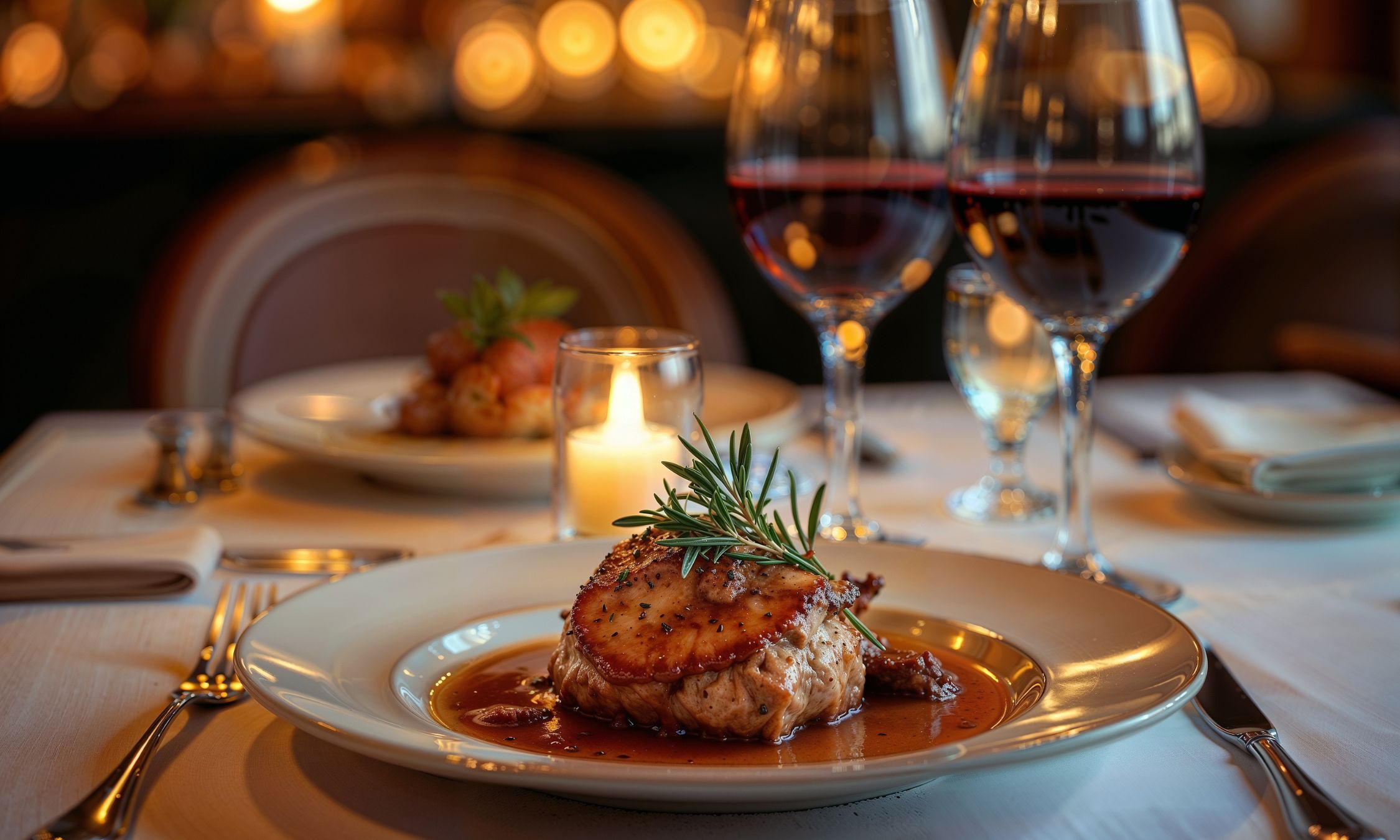
Dining in Asia Pacific is becoming more intimate, more local and more focused on meaningful experiences, according to Marriott International’s Future of Food Asia Pacific 2027 report.
The report, titled The Rise of Place, draws on research from 284 Marriott properties across 20 Asia Pacific markets, as well as conversations with chefs, hospitality experts, and food influencers.
Speaking with GMA News Online, Petr Raba, Vice President of Food & Beverage at Marriott International Asia Pacific excluding China, said the report aims to help the company understand changing consumer preferences and adapt its dining concepts accordingly.
“We operate over 1,500 restaurants and bars across Asia Pacific, I think it's very important for us to stay ahead of the trends, understand what the consumer wants, and how can we, you know, adapt some of the trends that we see in our operations and bring them to life for our customers to be the preferred choice to dine in. And, really, we want to showcase and be the leaders in the industry,” Raba told GMA News Online.
Here are the five key findings from the report.
1. Diners are looking for smaller, more intimate spaces
Among the biggest shifts is happening outside the plate itself, with diners showing a preference for smaller and more casual dining spaces.
About 45% of properties surveyed reported a growing preference for casual spaces, including bars, lounges, and other more relaxed venues, which the report referred to as “the spatial shift.”
According to Raba, the trend is prompting Marriott to rethink how restaurants are designed.
“Customers want to have more experiences in their dining. They want to have it more intimate,” he said, adding the hotel chain sees an opportunity to create restaurants with a smaller footprint while making the experience more personal.
The report also sees restaurants becoming more flexible, with spaces designed to accommodate different dining occasions throughout the day.
Technology is also playing a bigger role behind the scenes. Properties are using AI for tasks including creating concepts, menu development, marketing and guest behavior analysis, while keeping the dining experience itself centered on human interaction.
2. Local food and authentic experiences are becoming more important
Local cuisine is emerging as one of the strongest dining trends across the region, with 95% of properties surveyed saying authentic local signature dishes are among the biggest trends in their markets.
Some 79% meanwhile have introduced new local ingredients to their menus.
Local signatures also recorded the strongest increase in demand at 46%, compared with 14% for regional Asian cuisine and 12% for Western cuisine.
For Raba, the shift is also an opportunity to showcase Filipino cuisine beyond the Philippines.
“I think it's a popular cuisine and it's gaining more traction as well,” he said of Filipino food.
Marriott has been working with Filipino chefs through its Sinagtala program, which brought together chefs from its Philippine hotels to develop their own interpretations of local dishes such as adobo and sisig.
Raba said the goal is to eventually bring these Filipino dishes to Marriott properties in other markets.
“My wish is we can take this amazing cuisine and when you see some of the elevated dishes that the teams did and take it outside of the Philippines,” he said.
The report also found that local ingredients are increasingly being used in beverages, while wellness-focused ingredients such as turmeric, ginger, black sesame, and matcha are appearing more frequently on menus.
3. Fine dining is getting shorter
The report points to a shift in how diners value their time. Where before fine dining took on the form of an epic four-hour experience with too many courses, 58% of properties said their average fine-dining meal only lasts between 1.5 and two hours. Singapore had the shortest average at 1.5 hours, while Japan remained the longest, at two to 2.5 hours.
Marriott's “99-minute fine dining” concept envisions shorter tasting menus with up to five courses, with Raba saying diners still want a high-quality experience, but increasingly want it delivered within a shorter timeframe.
The shift does not necessarily mean less memorable dining. Instead, the focus is on making each course more intentional and delivering standout moments without requiring diners to spend several hours at the table.
4. Dining is becoming more social, flexible, and wellness-conscious
The Rise of Place found diners continue to seek culinary experiences that allow them to gather and celebrate.
Cultural events and celebrations were the most popular dining experience, cited by 79% of properties, followed by music or theme nights at 78%. Wine or beverage dinner events were at 75%.
Small groups of two to four people accounted for the biggest increase in dining bookings, at 67%, while solo dining also continued to grow, with an 18% increase in evening solo-diner covers and 15% at lunch.
At the same time, health and wellness are influencing what people eat and drink.
Some 82% of properties said guests are influenced by health and nutrition, while 97% serve dishes featuring ingredients associated with wellness and longevity.
In the Philippines, this shift is particularly visible in beverages. The report recorded a 77% increase in alcohol-free beverage sales and a 71% increase in sales of soft drinks and water.
Raba attributed the shift to growing health consciousness.
“I think wellness in general and health conscious trends, that's what we see coming into play,” he said.
He noted that consumers are becoming more conscious of what they eat and drink, including their sugar and alcohol intake.
5. Filipino dining is balancing tradition with new experiences
For the Philippines, authenticity remains a major factor in dining decisions.
According to the report, 67% of guest decisions are influenced by the authenticity of local signature dishes. Meanwhile, 50% of guests expressed interest in cocktail or mixology masterclasses.
Raba said Manila's dining scene is continuing to develop, with local chefs putting new spins on dishes rooted in their own experiences.
“I think local chefs are on rise,” he said, noting that chefs are using both modern and classic techniques to bring their signature recipes to life.
He expects to see more combinations of traditional Filipino food and contemporary approaches.
For the holiday season, Raba said Filipino diners are likely to continue valuing tradition, family gatherings and familiar recipes, while also being open to new experiences.
“Christmas and that season's all about traditions, getting together, celebrating the year and going back to, you know, signature recipes and the grandmother's recipes and the baking and cooking and what we had in the past,” he said.
Ultimately, Marriott's 2027 outlook points to a dining landscape that is smaller in scale but richer in identity: more local in its ingredients and stories, more flexible in its spaces, more conscious of diners' time and increasingly attentive to wellness and social experiences. — LA, GMA News

