

 GMA Brandtalk
 Tracking
 Archives

ADVERTISEMENT
Filtered By: Lifestyle
Lifestyle
Filipino contestants bring their own flavor to ‘Taste of Korea’ competition
+
Make this your preferred source to get more updates from this publisher on Google.
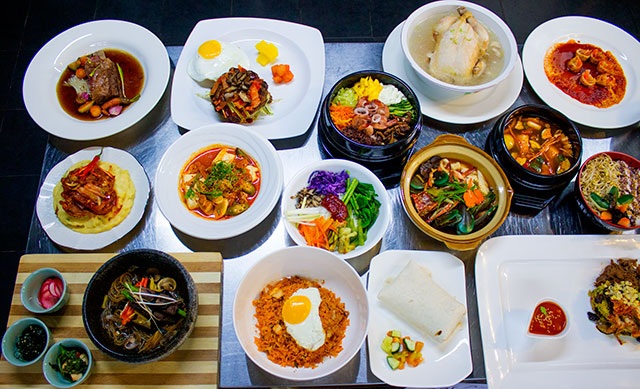
The finalists’ dishes at the Taste of Korea competition last week at the Lyceum Culinary Institute
Food is a daily medicine
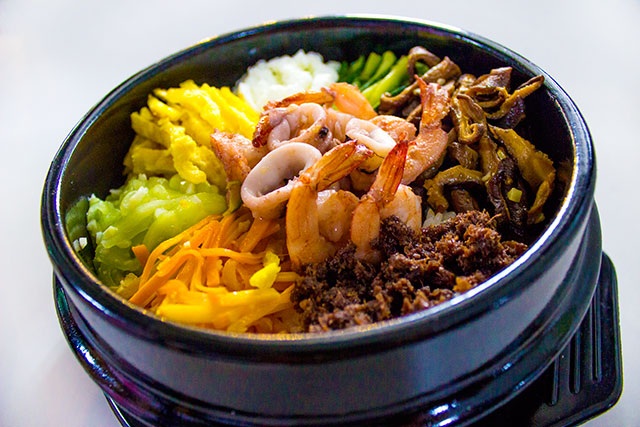
The bibimbap is one of the most popular Korean dishes. Each ingredient complements the others perfectly.
All Korean dishes are accompanied by side dishes called “banchan.” These can be seafood or vegetables, but the most important banchan is kimchi—vegetables that are pickled with herbs and spices believed to have superior amounts of antioxidants brought by fermentation.
Culinary fusion
The Taste of Korea competition aims to bring Korean food to the international stage, by having different countries compete at the Global Taste Korea to be held in South Korea later this year. This is the first time the Philippines will participate.
The contestants' entries at the Intramuros event ranged from dishes done the traditional way to Korean food with an international twist: John Patrick Ignacio used European techniques to prepare his Galbi Jjim and took the second runner-up prize, while first runner-up Kristina Yzabel Montealegre’s “Sinigae” combined our favorite tangy soup, the sinigang, with the Korean spicy soup Kimchi Jjigae.
The Grand Prize went to Marc Justin Tee for his Samgyetang, a dish made of young chicken stuffed with glutinous rice in a broth fortified with ginseng and Korean dates. The minimalistic plating elevated the simple, invigorating, summertime soup.
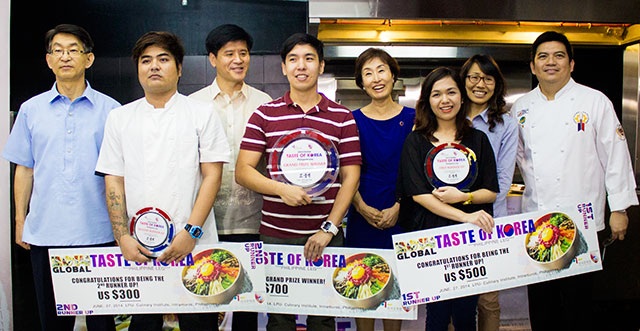
Taste of Korea Grand Prize winner Marc Justin Tee (center, first row) is flanked by second runner-up John Patrick Ignacio and first runner-up Kristina Yzabel Montealegre. In the second row (from left) are Korean Minister Min Kyung-Ho, KCC Director Oh Choong-Suk, and judges Kim Hee-Kyung, KCC cooking instructor Joe Min-hyung, and Lyceum Culinary Institute director Chef Dan Basilio.
For those who wanted to cook Korean food a la Jang Geum, the Korean Cultural Center holds cooking classes every semester. Check out their class schedules on their Facebook page or from the KCC official website. — BM, GMA News

