

 GMA Brandtalk
 Tracking
 Archives

Pasta, pizza popular at Milano Cortina Winter Olympics
MILAN — Ensuring that meals serve as fuel to maximize athletes’ performance shaped everything from menus to kitchen workflows for organizers of the Milano Cortina 2026 Winter Olympics after the mistakes that sparked criticism at the Paris 2024 Games.
About 2,900 athletes from 92 countries are arriving in Italy to take part in the global showpiece event.
"Food must be actually prepared and served to enhance the performance of the athletes in the Olympics which most of them have worked and trained for years," said Elisabetta Salvadori, head of food and beverages for the Games, which Milan is co-hosting with the mountain resort of Cortina d'Ampezzo from February 6-22.
At the Paris Olympics, several delegations complained about the quantity and quality of the food, forcing organizers to make late adjustments after grievances over egg rationing and a limited supply of protein options, with some athletes demanding more meat to satisfy their nutritional needs.
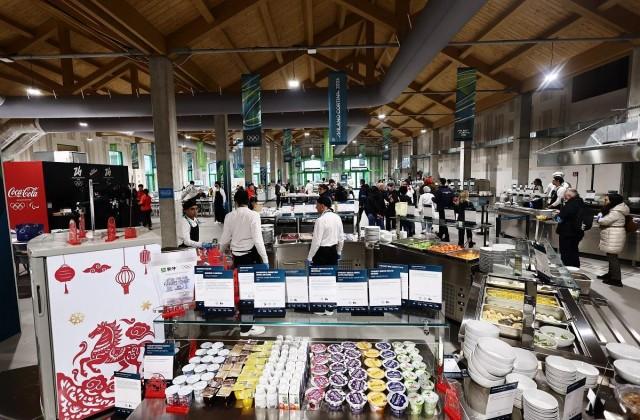
Up to 4,500 breakfasts, lunches and dinners will be prepared each day at the Milan Village, nearly 4,000 in Cortina and 2,300 in Predazzo. The design of the menus took around a year.
Salvadori said athletes across the Olympic villages and other competition venues were being offered a broad range of dishes but often end up choosing simple, high?energy foods such as plain pasta, basic sauces and straightforward proteins.
"Then, of course, they have other gastronomic choices such as lasagna, gnocchi and desserts."
Unsurprisingly, the Olympics food manager said pasta was one of the most popular dishes, usually served plain, or with ragu or tomato sauce, and prepared espresso style. “Pasta is just cooked behind the athletes,” she said.
In a nation that prides itself on its food traditions, meeting athletes’ expectations in this area carries particular significance.
Good impressions
Initial impressions were good for world speed skating champion Jenning de Boo of the Netherlands, who dined at the Milan Village on Monday.
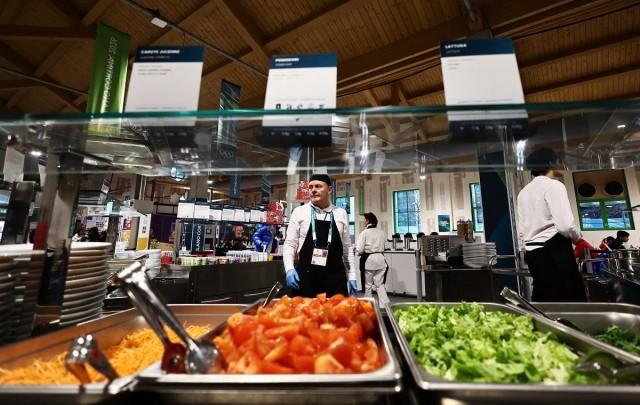
"It's no Michelin-star restaurant, but I find it quite adequate," he said. "I had pasta, a salad, and some chicken. So everything an athlete needs is there."
American double world champion figure skater Ilia Malinin agreed. “I like it. It's comfortable for me," he said, adding the variety was good.
"There is like carbs, protein, a lot of snacks all day long...It seems that food will not be an issue this Olympics," said Latvian short-track speedskater Reinis Berzins.
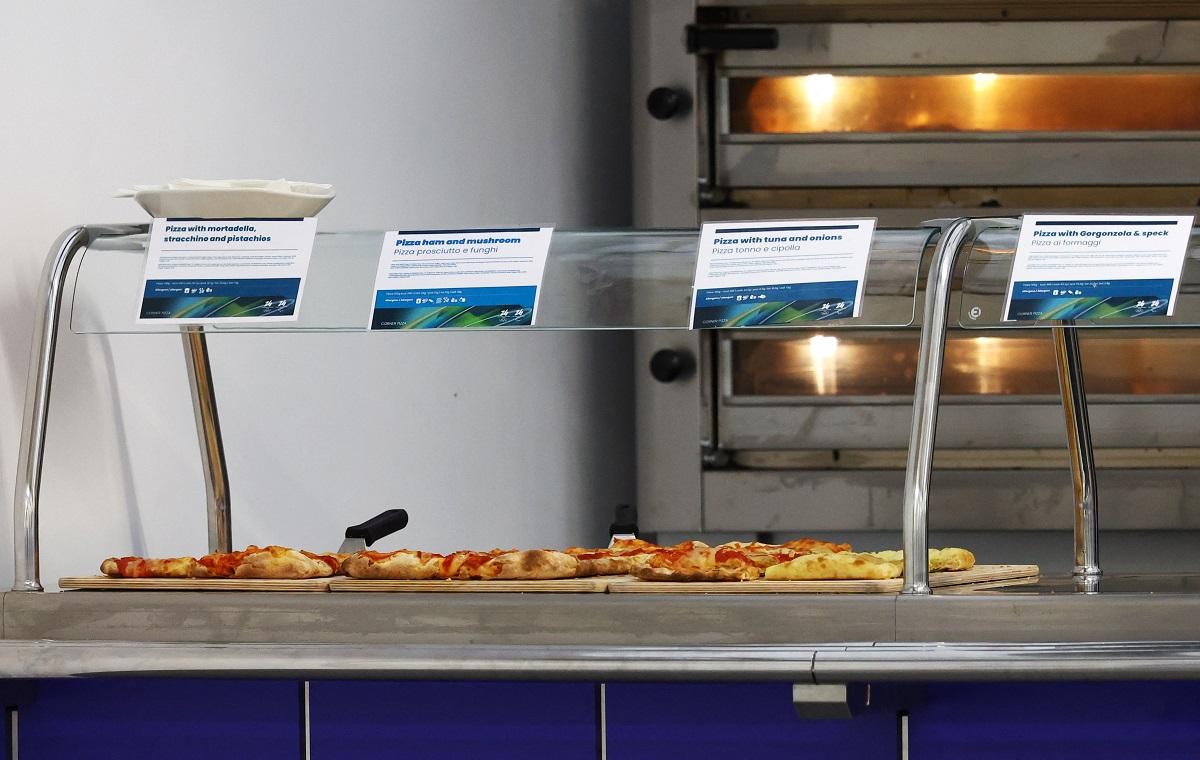
Pizza was the main dinner choice for U.S. Big Air snowboarders in the mountain town of Livigno, straight after their first training session on Monday.
Lili Dhawornvej said she ate seven slices of pizza, and her teammate Hahna Norman had a whole one while playing Monopoly and cards with other athletes.
Red Gerard described the pizza as "very stiff," adding that he preferred American pizza, but Jess Perlmutter enjoyed the fare.
"I've had the best pasta I've ever had here, and I had gelato last night. So it's been really fun," she told a press conference on Tuesday.
Salvadori was cautious about praising the food on offer too soon.
"I'm Italian, so I'm a bit superstitious," she said with a laugh.
"But so far we had no major issues. Just a few minor things you expect at the start. Someone asked for oatmeal in the morning. It was already there." — Reuters

